This dog car seat guide gives your dog a secure, comfortable spot during every car ride. Read dog car seat vs dog seat belt before you choose a restraint style. It limits sudden movement during stops, and it also keeps your dog away from the driver.
This guide also explains seat styles, sizing, fitting, installation, and daily comfort in plain steps. First, you will learn how to measure your dog, secure the seat, and prepare for short trips. Longer journeys need extra planning, so later sections cover breaks, water, and calming routines. Finally, follow each section in order, and you will build a safer routine for every ride.
Why a Dog Car Seat Matters for Every Ride
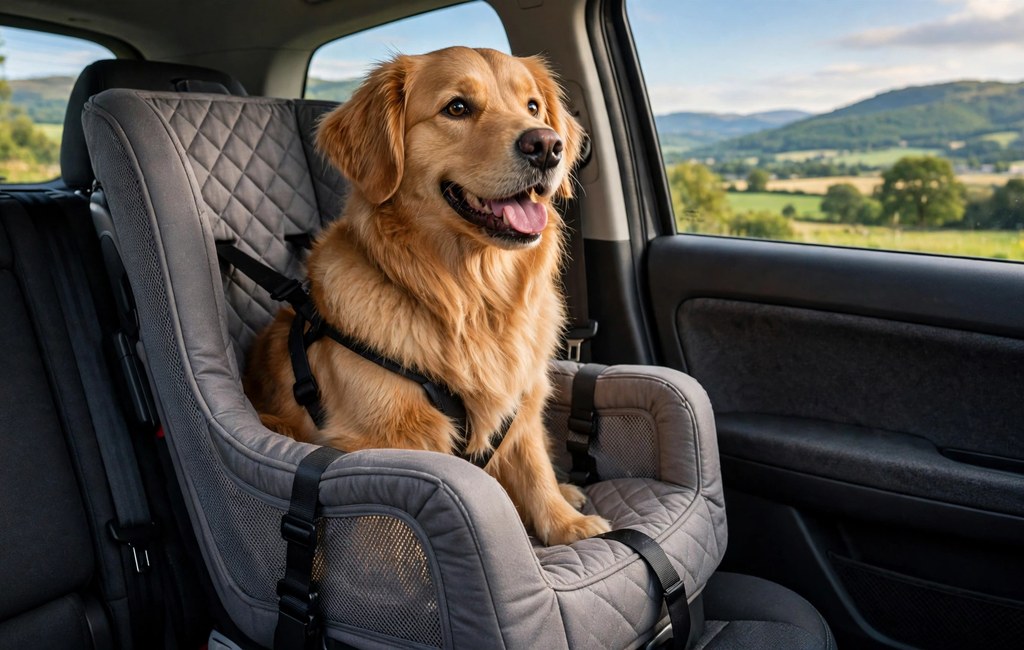
An unrestrained dog can slide across the seat during a sudden stop. In addition, a loose dog can distract the driver at a critical moment. A proper seat reduces both risks, and it also gives your dog a defined space.
Dogs cannot brace themselves the way people do during hard braking. Therefore, a sudden stop can throw even a calm dog forward. A seat with a secure tether limits that forward motion. It also keeps your dog in place during turns.
A defined riding spot also helps nervous dogs settle more quickly. For example, many dogs relax once they learn that one spot means travel time. Consistency builds confidence, and it also shortens the fuss at the start of each trip.
Similarly, drivers benefit just as much as dogs do on the road. Specifically, a settled dog means fewer glances into the back seat. You can focus on traffic, and you can also react faster to sudden changes.
A car seat also protects your vehicle interior from fur, mud, and claws. Moreover, a raised seat keeps paws off door panels and window controls. As a result, you spend less time cleaning, and your car stays tidier between trips.
Finally, a good seat supports dogs with stiff joints or short legs. Older dogs often struggle to climb onto a high seat, so a low, stable seat helps them. Small dogs also gain a better view, and that view often reduces whining. Later parts of this dog car seat guide compare each style against real travel needs.
Dog Car Seat Styles Explained
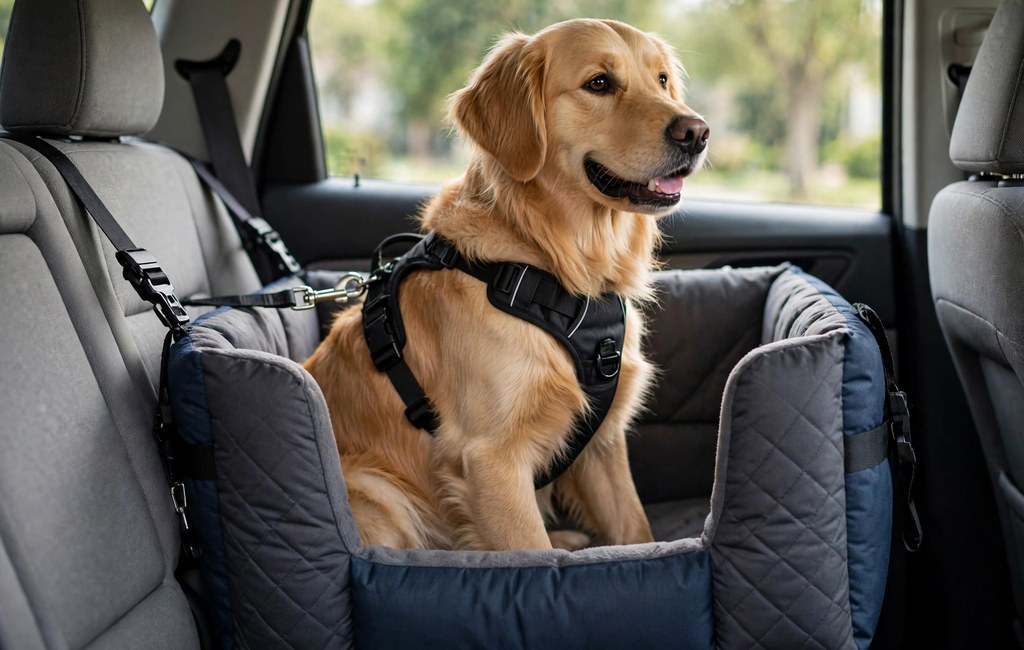
Booster seats lift small dogs higher so they can see out of the window. A typical booster has raised sides, a soft cushion, and a short internal tether. Learn more about a dog booster seat for car if your dog likes watching the road.
Bucket seats suit dogs that like a snug, enclosed feeling during travel. They usually attach to the headrest and the vehicle seat belt together. In addition, their high walls block drafts and reduce visual distractions.
Bench and hammock styles cover the back seat for larger dogs. Also, they create a flat, protected area across the whole rear seat. Meanwhile, they still leave room for a harness tether to hold your dog steady.
Console seats fit between the front seats for very small dogs. They suit short trips, and they also keep a tiny dog close to you. However, you must check airbag guidance before you use any front seat position.
Carrier style seats combine a closed carrier with vehicle anchoring points. They suit anxious dogs that prefer an enclosed, den-like space. Similarly, they work well for dogs that try to climb out of open seats.
Some seats fold flat for storage between trips. This feature helps drivers with small trunks or shared family cars. Finally, fold the seat after each trip, and store it somewhere dry and clean.
Think about your dog’s habits before you pick a style. For instance, a restless dog needs higher walls and a shorter tether. A calm dog may prefer an open bench seat with room to stretch. This dog car seat guide matches each style to a size and a vehicle type.
Choosing the Right Dog Car Seat Size
First, start with your dog’s weight, length, and height at the shoulder. Next, measure from the chest to the base of the tail for length. Then compare those numbers with the seat maker’s size guide.
A seat should let your dog sit, turn, and lie down comfortably. If your dog cannot turn around, then the seat is too small. On the other hand, an oversized seat lets a dog slide during stops.
Small breeds often ride best in a raised booster seat. A small dog car seat lifts a tiny dog high enough to see outside. That view often calms small dogs, and it also reduces carsickness for some dogs.
Medium dogs need a balance between room and restraint. Also, choose a seat with sturdy walls and a tether that limits roaming. Also check that the seat base fits your rear seat without hanging over the edge.
Big dogs need wide seats with strong anchoring points. A large dog car seat spreads weight across the vehicle seat more evenly. Strong straps matter here, because a heavy dog creates more force during braking.
Puppies grow quickly, so recheck the fit every few weeks. A seat that fit last month may feel cramped now. Adjust the tether length as your puppy grows, and upgrade the seat when needed.
Senior dogs need extra cushioning and low entry sides. Stiff joints make climbing difficult, so a low front wall helps greatly. Add a soft pad inside the seat, and check your dog for stiffness after trips. Throughout this dog car seat guide, sizing starts with weight, length, and sitting height.
Restraint Types and How They Work
A restraint connects your dog to the vehicle in a controlled way. It limits movement during stops, and it also prevents roaming inside the car. Restraints reduce risk, but they do not eliminate risk entirely.
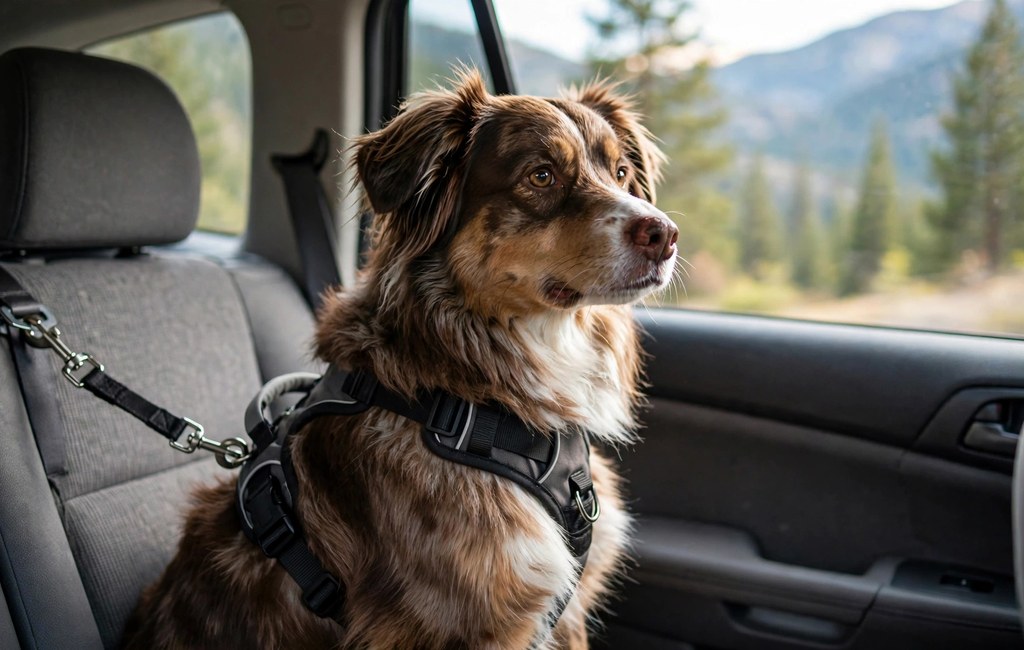
A harness spreads force across the chest and shoulders during a sudden stop. Fit the harness snugly, and leave room for two fingers under each strap. Check the fit often, because harnesses loosen with regular use.
Always attach a restraint to a harness, never to a collar alone. A collar concentrates force on the neck during a sudden stop. That pressure can injure the throat, so use a proper harness every time.
A seat belt tether clips a harness to the vehicle seat belt system. A dog car seat belt usually includes an adjustable strap and a sturdy clip. Keep the tether short enough to stop jumping, yet long enough for sitting and lying.
Some seats include a built-in tether inside the seat itself. Clip that tether to the harness before you start the engine. Test the clip each time, and replace worn clips without delay.
Crash-tested restraints go through controlled impact testing by independent labs. Look for clear testing claims on the product packaging and manual. If a maker hides test details, then treat the claim with caution.
No restraint can guarantee safety in every crash. However, a tested harness and a secure seat lower the risk greatly. Combine good gear with careful driving for the best protection.
Inspect straps, buckles, and stitching before every trip. Sunlight and daily use weaken webbing over time. Replace any frayed strap at once, and never reuse a restraint after a crash. Every restraint in this dog car seat guide pairs with a harness, never a collar alone.
How to Install a Dog Car Seat
Read the manufacturer’s instructions for your specific seat and vehicle first. Each seat uses different straps, belt paths, and anchor points. Follow those instructions exactly, because generic advice cannot replace them.
Start with a clean, empty rear seat for installation. Remove loose items, and clear the seat belt buckles. A clear workspace makes each step easier and safer.
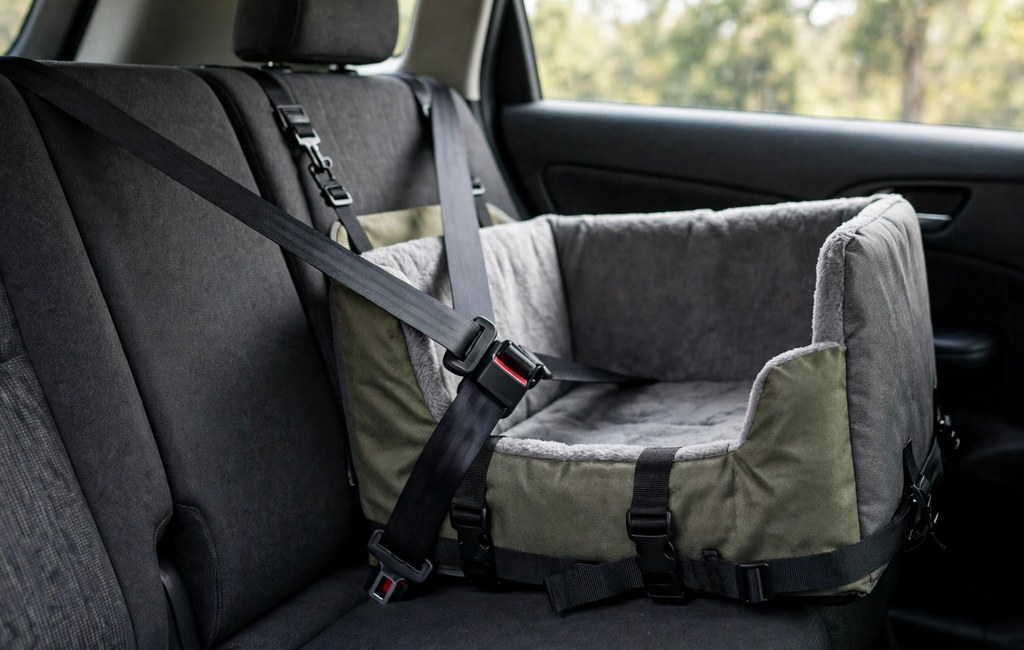
Place the seat flat on the rear seat, and center it over the seating position. Check that no part hangs over the edge of the vehicle seat. An unsupported edge can tip during a turn, so adjust the position until it sits level.
Thread the vehicle seat belt through the marked belt path on the seat. Buckle the belt, and pull it snug until the seat barely moves. Push the seat firmly, and confirm that it shifts less than an inch.
Secure the Straps and Test the Fit
Attach headrest straps if your seat includes them. Loop each strap around the headrest posts, and tighten away all slack. These straps stop forward tipping, especially during sudden braking.
Next, clip the internal tether to your dog’s harness. Adjust the tether so your dog can sit and lie down, but cannot jump out. Test the length with your dog seated, and shorten it if your dog reaches the edge.
Take a short test drive around the block after installation. Listen for sliding or rattling, and watch your dog’s comfort level. Re-tighten straps after the test, because new straps often settle slightly.
Our step-by-step companion explains how to install a dog car seat in full detail. It also covers tricky vehicle seats and unusual headrest shapes. Use it alongside your manual, and recheck the fit after the first few trips.
- Check the belt path: Thread the belt exactly where the manual shows it.
- Test for movement: Push the seat firmly in every direction before driving.
- Inspect the tether: Clip it to the harness, never to a collar.
- Recheck after trips: Tighten straps again after long or bumpy drives.
Fitting the Dog Car Seat to Your Vehicle
Check vehicle compatibility before you buy any dog car seat. Seat shapes, headrest styles, and belt lengths vary widely between cars. Measure your rear seat width, and compare it with the seat dimensions.
The back seat offers the safest riding position for most dogs. It keeps your dog away from front airbags and dashboard controls. Choose an outer rear seat if the middle seat lacks a headrest anchor.
Front seats carry serious airbag danger for dogs. A deploying airbag can strike a dog with great force. Avoid the front seat unless your vehicle manual clearly allows it.
Some cars have fixed headrests that block strap installation. In that case, choose a seat that anchors through the seat belt alone. Alternatively, try a different rear seating position with removable headrests.
Leather seats need a non-slip base under the dog seat. A grippy mat stops sliding, and it also protects the leather surface. Cloth seats grip better, but they still benefit from a stable base.
Small cars may fit only compact booster seats. Measure door clearance too, because you need room to lift your dog in. Test the fit before a long trip, and adjust the position if needed.
If you use several cars, pick a seat that moves easily between them. Quick-release straps save time, and they also reduce installation errors. Still, recheck the fit in each car, because anchor points differ. Fit checks in this dog car seat guide follow the vehicle you actually drive.
Comfort During Every Ride
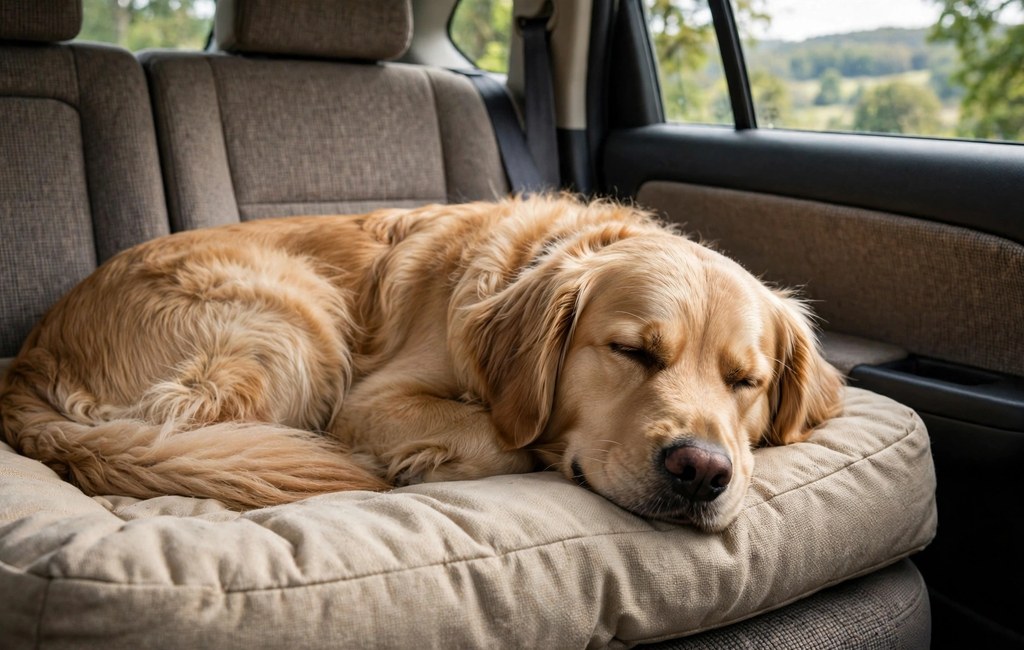
A comfortable dog rides more calmly and settles faster. Add a soft, washable pad inside the seat for cushioning. Choose padding that supports joints without bunching under your dog.
Temperature control matters greatly inside a parked or moving car. Use sun shades on rear windows during bright days. Run the air conditioning before you load your dog on hot days.
Never leave a dog alone in a parked car in warm conditions. Interior temperatures rise quickly, even with windows cracked open. Take your dog with you, or leave one person with the car.
Give your dog a familiar blanket or toy for comfort. Familiar scents reduce stress, and they also help dogs settle faster. Avoid loose toys that could fly forward during a sudden stop.
Keep the ride smooth with gentle braking and steady turns. Sudden moves unsettle dogs, and they also increase sliding risk. Plan your route to avoid rough roads when possible.
Offer water before short trips, and carry water for longer ones. A small, spill-proof bowl works well inside the car. Avoid feeding a large meal right before travel, because full stomachs worsen nausea.
Watch for signs of discomfort during the ride. Panting, drooling, or restlessness often signal stress or heat. Pull over safely if your dog shows distress, and check the seat fit. Comfort notes in this dog car seat guide keep each ride calm and steady.
Calm Rides in a Dog Car Seat
Many dogs feel anxious during car rides, especially at first. Short, positive practice sessions build confidence over time. Start with the parked car, and reward calm behavior with treats.
Let your dog explore the seat at home before the first trip. Place treats inside the seat, and praise any calm approach. Repeat this step for several days until your dog enters willingly.
Next, sit with your dog in the parked car for a few minutes. Keep the engine off, and offer praise and gentle petting. Increase the time gradually, and end each session on a calm note.
Then take very short drives around the block. Drive to a pleasant place, such as a park or a quiet street. Your dog will soon link car rides with good outcomes.
Talk softly during the ride, and avoid sudden loud noises. A calm voice reassures anxious dogs, and it also keeps the mood steady. Play soft music if your dog responds well to it.
For deeper calming routines, read how to keep your dog calm in the car alongside this guide. It covers desensitization steps, routine building, and signs of travel stress.
Consult your veterinarian if your dog stays anxious or unwell despite practice. Persistent vomiting, shaking, or refusal to enter the car needs professional advice. Your vet can suggest strategies that suit your dog’s health and temperament.
Protecting Your Car Interior
Dogs bring fur, mud, and water into the car on every trip. A protective layer under the seat saves hours of cleaning later. It also guards against scratches from claws during entry and exit.
A dog car seat cover shields the vehicle seat beneath the dog seat. Choose a cover that fits your seat shape, and secure it with straps or anchors.
Look for covers with seat belt openings for safe tether access. Blocked belt paths create unsafe shortcuts, so check the openings first. Align each opening with its buckle before you install the dog seat.
Wet dogs and rainy walks demand stronger protection. A waterproof dog car seat cover blocks moisture from soaking into your vehicle upholstery. It also dries faster than plain fabric, and it resists odors better.
Check waterproof claims carefully before you rely on them. Some covers resist splashes, while others block full soaking. Read the care label, and test the cover with a damp cloth first.
Door protectors and floor mats complete the protection setup. They catch muddy paws, and they also stop scratches on door panels. Wipe them down after wet trips, and wash them regularly.
Keep a small cleaning kit in the trunk for quick touch-ups. Pack paper towels, a lint roller, and a pet-safe wipe. Quick cleaning after each trip prevents stains from setting. Interior tips in this dog car seat guide pair covers with a fitted seat.
Planning Long Trips With a Dog Car Seat
Long trips need more planning than a quick drive to the park. Map rest stops in advance, and plan breaks every two hours. Each break gives your dog water, a toilet stop, and a short walk.
Pack a travel bag with food, water, bowls, and waste bags. Include your dog’s regular food, because new food can upset digestion. Add a leash, a spare tether, and any medication your dog needs.
Keep your dog’s identification current before a long journey. Check the ID tag, and confirm the microchip details with your vet. Carry a recent photo too, in case your dog slips away at a stop.
Plan shade and ventilation for every stop along the route. Never leave your dog in a parked car while you eat or shop. Instead, choose stops where your dog can stay with you safely.
Watch the weather forecast before departure, and adjust plans for heat. Hot days demand extra water, shade, and cooling breaks. Cold days need a warm blanket inside the seat for comfort.
Long trips tire dogs just like they tire people. Watch for yawning, restlessness, or heavy panting during the drive. Add an extra break whenever your dog shows tiredness.
Book pet-friendly lodging in advance for overnight journeys. Confirm the pet policy directly, and note any size limits. A smooth arrival helps your dog settle after a long day. For longer journeys, this dog car seat guide adds planned breaks and steady routines.
Cleaning and Maintaining the Dog Car Seat
Regular cleaning keeps the seat fresh and extends its life. Vacuum fur and dirt from the seat after every few trips. Use a brush attachment for corners, seams, and cushion edges.
Remove the cover and wash it following the care label. Most covers wash well on a gentle cycle with mild detergent. Air dry the cover fully before refitting it to the seat.
Spot clean accidents at once with a pet-safe cleaner. Blot the area first, and avoid rubbing the stain deeper. Test any cleaner on a hidden spot before wider use.
Check straps and buckles during each cleaning session. Look for fraying, cracks, or stiff buckles that stick. Replace damaged parts promptly, because worn gear protects less well.
Store the seat indoors when you do not use it for weeks. Sunlight fades fabric, and damp storage breeds mildew. A dry closet or garage shelf works well for storage.
Wash the cushion pad separately from the outer cover. Pads hold odors, so wash them more often than the shell. Keep a spare pad ready, so cleaning never delays a trip. Care steps in this dog car seat guide extend the working life of the seat.
Common Mistakes and Safety Checks
Many owners skip the manual and guess the installation steps. Guessing leads to loose straps, wrong belt paths, and unsafe tethers. Read the manual fully, even if the seat looks simple.
Some owners clip the tether to a collar for convenience. This shortcut risks neck injury during a sudden stop. Always use a harness, and check the clip before every drive.
Others place the seat in the front passenger seat for company. Front airbags pose a serious danger to dogs of any size. Keep your dog in the back seat for every trip.
Loose items around the seat also create hazards. Bags and bottles can slide and strike your dog during braking. Clear the footwell and rear seat before you load your dog.
Skipping the pre-trip check wastes the protection good gear offers. Run a quick check each time: straps tight, tether clipped, seat stable. This habit takes less than a minute, and it prevents many problems.
Local restraint laws vary, so check the rules where you drive. Some areas require specific restraint types for dogs in cars. Follow local rules, and keep proof of compliance if officers ask. Before buying, this dog car seat guide checks mistakes that reduce protection.
- Before every trip: Tighten straps, clip the tether, and test seat stability.
- After a crash: Replace the restraint, even if damage looks minor.
- Each month: Inspect webbing, buckles, and stitching for wear.
- Each season: Wash covers, check padding, and review the seat fit.
Seasonal Travel and Dogs With Special Needs
Summer heat changes how you plan every car trip. First, cool the car fully before you load your dog. Then use a sun shade, and offer water before departure.
In addition, choose light-colored covers that reflect heat better. Dark fabric absorbs warmth, and it also stays hot longer. Check the seat surface with your hand before each summer trip.
Winter trips bring a different set of comfort needs. Add a warm blanket inside the seat for cold mornings. Similarly, keep a towel handy for wet paws after snowy walks.
Rainy days test your interior protection more than dry days do. Dry paws with a towel before your dog enters the seat. Afterwards, wipe the cover down so moisture never soaks through. Seasonal advice in this dog car seat guide adapts the same seat to heat, cold, and rain.
Caring for Dogs With Special Needs
Senior dogs often need gentler handling around car seats. Lift them in slowly, and support their hips during entry. In addition, add extra padding under stiff joints for comfort.
Puppies, meanwhile, need frequent toilet breaks on any trip. Plan stops closer together for young dogs. Also carry cleaning supplies, because accidents happen during training.
Anxious dogs benefit from a fixed routine before each ride. Use the same seat, blanket, and cue words every time. Consistency, therefore, builds trust faster than any single product.
Dogs with motion sickness need special care on the road. Keep the car cool, and drive smoothly around corners. If sickness persists, then consult your veterinarian for tailored advice.
Multi-dog households need one secured spot per dog. Never stack two dogs in a seat built for one. Instead, use separate seats or a divided bench setup.
Large families should also plan seating before buying gear. Measure the rear seat with all seats installed together. Otherwise, you may find that two seats crowd each other.
Service dogs and working dogs travel under the same safety basics. Secure them properly, and give them breaks on long routes. Their handlers, in addition, should carry water and identification always.
Before You Buy a Dog Car Seat: A Quick Checklist
Start your search with your dog’s measurements in hand. Write down weight, length, and shoulder height first. Then compare those numbers with each seat maker’s guide.
Next, check your vehicle’s rear seat shape and headrest type. Fixed headrests rule out strap-only designs, so note that early. Measure belt length too, because short belts limit some seats.
After that, decide which restraint style suits your dog best. A harness tether suits most dogs, while a carrier suits anxious ones. In addition, check whether the seat includes its own tether.
Look closely at fabric quality and stitching strength. Strong seams last longer, and they also hold up to washing. Avoid thin fabric that tears easily under claws.
Check the washing instructions before you commit to a seat. Removable covers save effort, and they also stay fresher longer. If washing feels difficult, then cleaning will likely slip.
Read the manual sample online when the maker provides one. Clear instructions signal a thoughtful product design. Confusing instructions, on the other hand, warn of tricky installation.
Consider storage space when the seat leaves the car. Foldable seats suit small homes and shared cars well. Measure your storage spot, and confirm the folded size fits.
Finally, test the seat on a short drive before a big trip. Watch your dog’s comfort, and listen for sliding or rattling. Return or swap the seat promptly if the fit feels wrong.
- Measure first: Record weight, length, and shoulder height before shopping.
- Check the car: Confirm headrest type, belt length, and seat width.
- Test the fit: Try a short drive before any long journey.
Daily Habits That Keep Every Trip Safe
First, build a fixed loading routine for every single trip. Open the door, place your dog in the seat, and clip the tether. Then check the straps before you start the engine.
Next, teach every family member the same routine steps. Inconsistent handling confuses dogs, and it also invites skipped checks. Write the steps down, and post them near the car keys.
In addition, keep the harness and tether in one fixed spot. A hook near the door works well for daily storage. You will never hunt for gear, and departures stay calm.
After that, inspect the seat quickly each time you load your dog. Look for twisted straps, loose buckles, or shifted padding. Fix small issues at once, because small issues grow quickly. Daily routines in this dog car seat guide turn safe loading into a habit.
Watch, Praise, and Recheck Every Trip
Similarly, watch your dog’s mood before each trip begins. A reluctant dog may feel unwell or fear the ride. Offer a short pause, and try again with treats.
Moreover, keep trips positive for young or nervous dogs. End short drives at parks, friends’ homes, or treat stops. Good endings, therefore, build a lasting love of travel.
Generally, dogs settle into routines within a few weeks. Stay patient during the early trips, and praise calm behavior often. Avoid scolding fear, because scolding increases anxiety instead.
As a result of steady habits, loading becomes quick and uneventful. Your dog will hop in willingly, and you will drive with confidence. Finally, review your setup each season for wear and fit changes.
Otherwise, small problems can hide until a hard stop exposes them. Check webbing after summer heat, and check padding after winter use. Replace worn parts promptly, and keep spares in the trunk.
Ultimately, safe travel comes from gear plus habits together. Good gear protects your dog, and good habits keep that gear working. Start today, and enjoy calmer rides on every road.
Frequently Asked Questions
Can a dog ride in the front seat with a car seat?
Avoid the front seat, because a deploying airbag can seriously injure a dog.
How do I choose the right size dog car seat?
Measure weight, length, and shoulder height, then match those numbers to the maker’s size guide.
Should I attach the tether to a collar or a harness?
Attach the tether to a harness only, because a collar concentrates force on the neck.
How often should I stop on a long trip with my dog?
Plan a break every two hours for water, a toilet stop, and a short walk.
Can I leave my dog alone in a parked car briefly?
Never leave a dog alone in a parked car in warm conditions, because interior heat rises fast.
Start Your Safer Travel Routine Today
A good dog car seat protects your dog, your passengers, and your car interior. Choose the right style, fit it carefully, and practice short trips first. Your dog will soon treat the seat as a familiar, comfortable place.
Review this guide before your next trip, and check each safety point in order. Small habits, such as a quick strap check, build lasting safety over time. Share the routine with family members, so everyone secures the seat correctly.
Ready to plan a longer journey with confidence? Explore our guide to dog car seat for long trips for packing lists and rest stop planning. Then pack the car, clip the harness, and enjoy the ride together.

Thomas Walker is an accomplished writer with expertise in the basics of car accessories. With a keen eye for detail, Thomas has established himself as an authority on the subject, with a passion for all things automotive. Based in Jasper, Thomas is dedicated to providing readers with the information they need to make informed decisions when it comes to their car accessories.