You can keep your dog calm during car rides with gradual practice and a familiar setup. Start with short parked sessions, then build slowly toward short drives. Pair each calm step with treats, praise, and a comfortable resting spot.
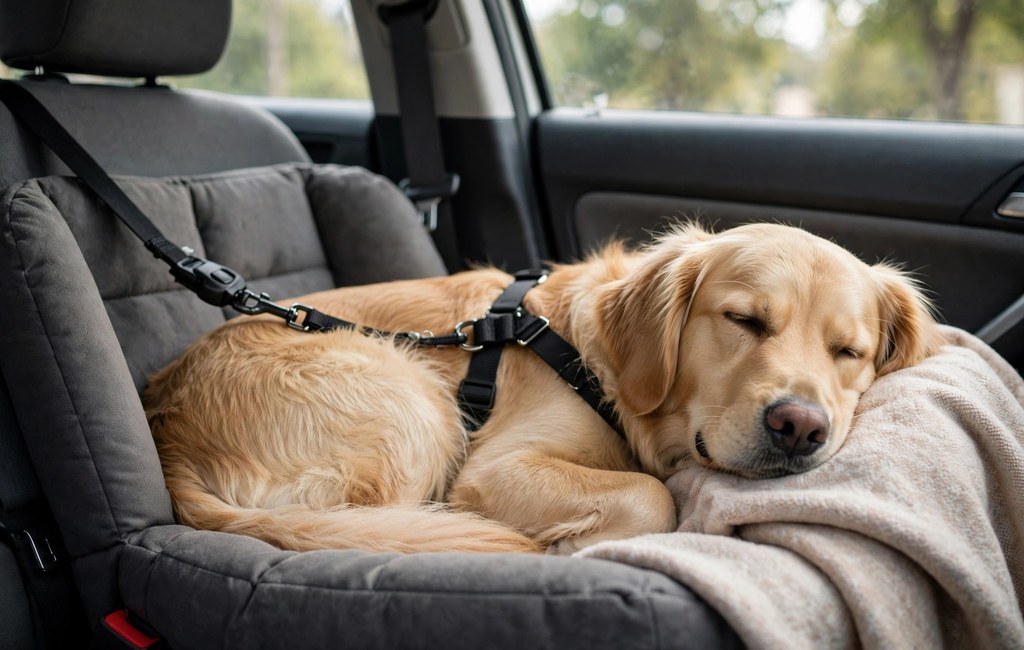
First, choose one consistent travel spot for every ride. Then, secure your dog in a comfortable dog car seat setup with a familiar blanket nearby. Finally, keep early trips short, positive, and free from rushing.
Watch body language closely during each practice session. Relaxed ears, soft eyes, and easy breathing signal growing comfort. Meanwhile, step back one level whenever stress signs appear.
Build Dog Calm for Car Rides Through Practice

Gradual practice teaches your dog that car rides predict good experiences. Start below the stress threshold and increase difficulty only after calm success. Therefore, patience matters more than speed during early training.
Repeat short sessions across several days for steady progress. Celebrate small wins with treats, praise, and gentle play after each session. Gradually vary departure times, routes, and destinations as confidence grows. Short practice sessions teach a dog calm habits for car rides.
Start With Short Parked Sessions
Open the car door in a quiet driveway and invite exploration. Offer treats for sniffing, stepping inside, and settling calmly. Next, close the doors briefly while you offer praise and treats. Then, start the engine for a few minutes without driving anywhere.
Add Short Drives Slowly
Drive around the block once your dog relaxes in a parked car. Choose quiet streets, smooth turns, and gentle braking for early trips. Gradually extend each drive by a few minutes after calm outings. End every early drive at a pleasant place, such as a park.
Create a Familiar Travel Setup for Calm Dog Car Rides
Consistency helps anxious dogs predict what happens next during travel. For smaller dogs, a small dog car seat can lift visibility and improve comfort. Similarly, keep the same spot, blanket, and routine for every trip.
Place the blanket in the travel spot before your dog enters the car. Let your dog sniff the setup and settle without pressure or rushing. Repeat this calm entry routine before every practice session and real trip. A familiar blanket helps a dog stay calm on car rides.
Use Comfort Items From Home
Bring a blanket that carries familiar home scents for reassurance. Add a favorite toy or chew for gentle distraction during the ride. Also, place a non-slip mat under the resting area for steady footing.
Keep the Setup Consistent
Use the same entry routine, seating spot, and departure cues each time. Predictability lowers uncertainty and helps calm behavior grow stronger. In addition, avoid rearranging the setup between trips without a reason.
Choose Comfort for Calm Dog Car Rides
Safe restraint protects your dog during sudden stops and sharp turns. Attach every restraint to a harness, never to a collar alone. Follow the manufacturer’s instructions for your specific seat and vehicle. Check vehicle compatibility before the first real trip. A steady routine keeps a dog calm during car rides.
Fit Restraint for Comfort
Fit the harness snugly without restricting breathing or natural movement. Test the fit at home first and reward calm acceptance with treats. Adjust straps gradually until your dog moves, lies down, and settles easily. Remember, restraints reduce risk but do not eliminate risk entirely.
Plan Breaks for Dog Calm on Car Rides
Long trips challenge even confident dogs without planned pauses. Also, plan regular breaks for water, bathroom needs, and gentle movement. For extended travel, a dog car seat for long trips can support a steady routine. Stop in shaded, quiet areas whenever possible during longer journeys. Regular breaks help a dog remain calm on longer car rides.
Schedule Regular Breaks
Stop every two hours on longer trips for a calm reset. Clip the leash on before you open any door at stops. Offer water, a short walk, and a bathroom break at each stop. Then, allow a few quiet minutes before you resume driving.
Ease Motion Discomfort
Face your dog forward when possible to reduce visual motion. Also, keep the cabin cool, ventilated, and free from strong scents. Drive smoothly, avoid sudden braking, and choose calmer routes. Watch for drooling, lip licking, yawning, or restlessness during early drives.
Manage Dog Anxiety During Calm Car Rides
Your calm behavior also strongly influences your dog during travel. Speak softly, breathe steadily, and avoid sudden reactions to stress. Offer quiet praise whenever your dog settles, sighs, or relaxes. Never punish fearful behavior, because punishment increases anxiety and confusion. Praise rewards a dog for calm behavior during car rides.
Use Calming Routines
Play soft music first at a low volume for background comfort. Offer a long-lasting chew or lick mat for focused distraction during the ride. Keep conversations calm and movements predictable throughout the ride.
Respond Calmly to Stress Signals
Notice trembling, panting, whining, pacing, or refusal to accept treats. Ease the situation, then slow down, speak softly, or pause safely. Return to an easier step after the ride if stress signs persist.
Prepare Your Dog for Calm Car Rides
A short walk before departure helps release energy and settle excitement. Check water, treats, waste bags, and comfort items before you leave. Finally, load your dog calmly without rushing or raised voices.
Keep your own movements slow and your voice steady during loading. Avoid loud music, sudden door slams, and hurried packing near the car. Give your dog a moment to settle before you start the engine.
- Pre-ride walk: Take a brief walk before departure. This step releases energy and settles excitement.
- Light meal timing: Offer a light meal several hours before travel. This timing also supports comfort during motion.
- Calm loading: Load your dog without rushing or raised voices. This approach also keeps departure stress low.
When Anxiety Persists
Seek veterinary guidance if anxiety, vomiting, or panic continues despite gradual practice. Your veterinarian can assess motion sickness, pain, or underlying health concerns. Never leave your dog alone in a parked car in warm conditions. Local restraint laws also vary, so check rules before you travel.
Frequently Asked Questions
How Long Does It Take to Calm a Dog for Car Rides?
Most dogs gradually improve over several weeks with short, positive practice sessions.
Why Does My Dog Pant and Drool in the Car?
Panting and drooling often signal anxiety, motion discomfort, or overheating during travel.
How Often Should I Stop on a Long Trip With My Dog?
Also, stop every two hours for water, bathroom breaks, and gentle movement.
Can Calming Music Help My Dog in the Car?
Soft music at low volume can soothe some dogs during calm, familiar rides.
What Should I Do If My Dog Refuses to Enter the Car?
First, return to easier parked-car steps and reward calm approaches without forcing entry.
Help Your Dog Enjoy Calmer Rides
Start today with one short, positive parked-car session. Build gradually, keep routines consistent, and celebrate small calm wins. Then, plan your next short drive and enjoy calmer travel together.

Thomas Walker is an accomplished writer with expertise in the basics of car accessories. With a keen eye for detail, Thomas has established himself as an authority on the subject, with a passion for all things automotive. Based in Jasper, Thomas is dedicated to providing readers with the information they need to make informed decisions when it comes to their car accessories.