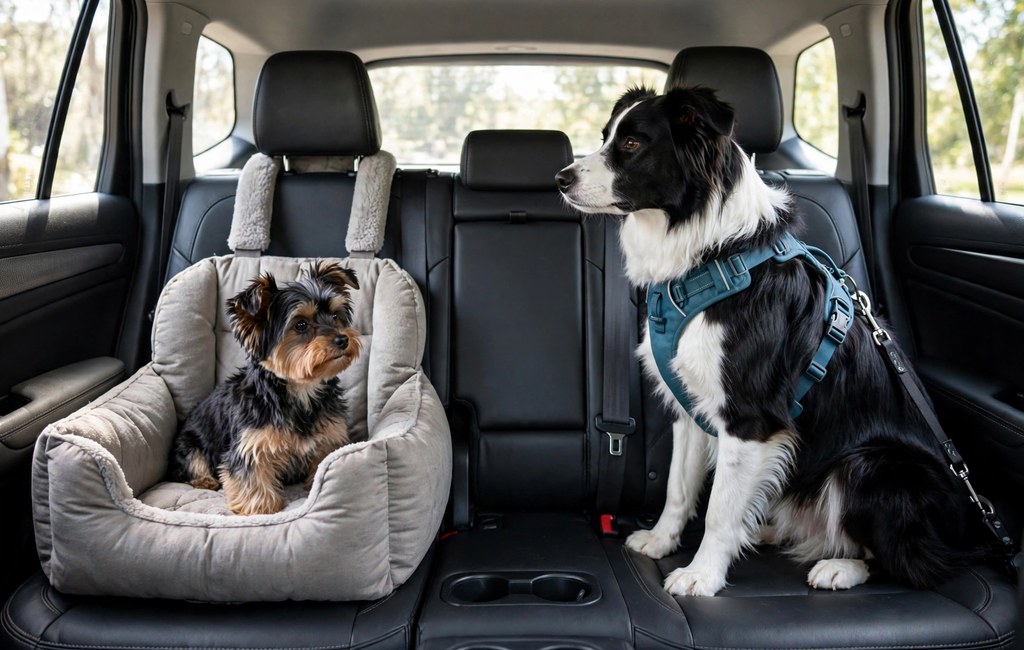
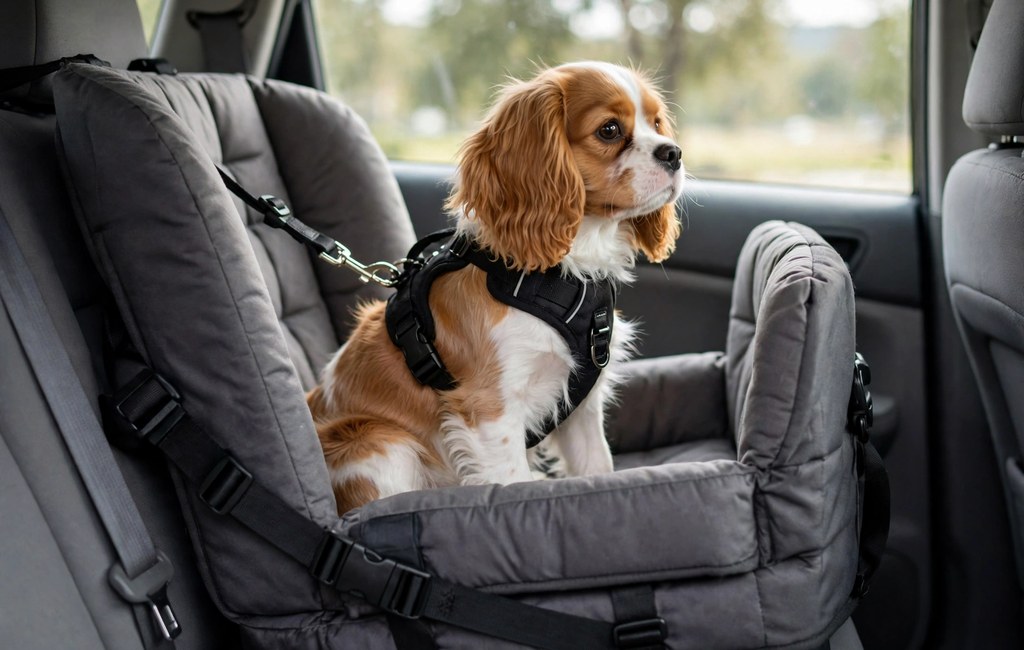
A dog booster seat lifts a small dog higher in the car. You secure the seat with straps and the vehicle seat belt. Then you clip a short tether to your dog harness.
First, choose a seat that matches your dog size and weight. Next, fit the seat firmly so it cannot slide during travel. Finally, help your dog settle before you start driving.
This guide explains sizing, fitting, harness connection, and cleaning in clear steps. You will also learn simple safety checks for every trip. With steady practice, most small dogs ride calmly in a booster seat.
How a Dog Booster Seat Works
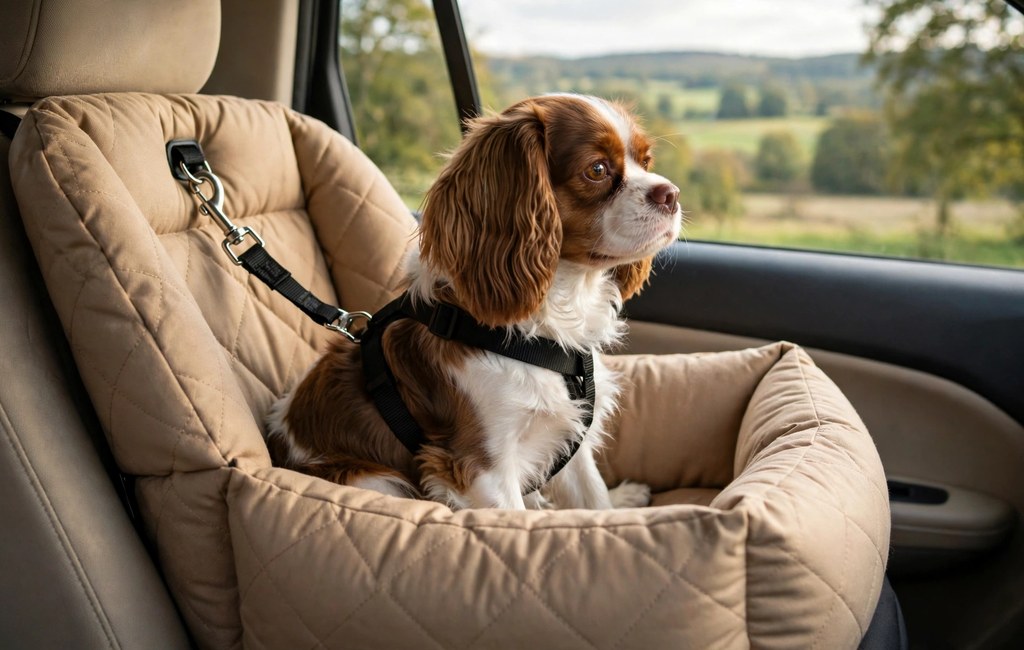
A booster seat raises your dog above the normal seat cushion. The raised platform in a dog car seat gives your dog a clearer view through the window. Raised side walls also keep your dog contained in one cozy spot.
Most booster seats use straps, a base, and a short tether together. Head straps hold the top steady, while base straps limit sideways movement. The tether then connects the seat to your dog harness directly.
Choose the Right Size and Fit
First, start with your dog weight, length, and resting posture. A small dog car seat should let your dog sit, turn, and lie down comfortably. In addition, avoid a seat that forces your dog into a cramped or stretched position.
Measure your dog from chest to tail base before you choose. Also check the seat weight limit against your dog current weight. Choose a slightly roomier size if your dog sits between two sizes.
- Interior space: First, allow room for sitting and turning comfortably.
- Side height: Pick sides high enough to prevent climbing out.
- Base shape: Finally, match the base to your vehicle seat shape.
Install the Booster Seat Step by Step
Park on level ground and clear loose items from the seat first. Many owners search for how to install a dog car seat before their first fitting. Also, follow your seat manual closely, since designs and strap layouts vary.
Place the booster centrally on the chosen vehicle seat. Loop the headrest straps over the headrest and tighten them evenly. Thread the vehicle seat belt through the marked belt path next. Pull every strap snug, then push the seat firmly from several angles.
Check for sliding, tilting, or loose buckles before you load your dog. Adjust the straps again if the seat shifts during your push test. Confirm the seat still leaves room for the seat belt buckle access.
Fix Common Fitting Problems
Tighten headrest straps again if the seat leans forward repeatedly. Reposition the base centrally if the seat presses against a door panel. Try another rear seat position if buckle access remains awkward.
Connect the Harness and Tether Correctly
Fit a comfortable harness on your dog before you approach the car. Also, adjust the harness so two fingers fit snugly beneath each strap. Clip the tether to the harness back ring, never to a collar alone.
Also, keep the tether short enough to prevent jumping from the seat. Allow enough slack for sitting, lying, and turning in place. Test the clip with a gentle pull before you close the car door.
However, restraints reduce risk during sudden stops, but they cannot eliminate risk completely. Follow the manufacturer instructions for your specific seat and vehicle model. Recheck harness fit often, especially after growth, grooming, or seasonal coat changes.
Help Your Dog Settle and Enjoy the View
Introduce the booster indoors first, with treats and calm praise nearby. Then, let your dog sniff the seat, step inside, and rest briefly. Repeat short sessions until your dog enters the seat willingly.
The raised view helps many dogs watch the road and passing scenery. A clear horizon view can calm restless dogs during longer journeys. Additionally, pair the view with a familiar blanket for extra comfort and scent familiarity.
Also, keep windows mostly closed so wind and debris stay outside. Avoid feeding a large meal immediately before a car trip. Stop regularly on long trips for water, toilet breaks, and gentle movement.
Safety Checks Before Every Trip
Choose the back seat whenever your vehicle layout allows that option. Therefore, check vehicle compatibility and front airbag danger before using a front seat. Move the front seat fully back if you must use that position.
Never leave your dog alone in a parked car during warm conditions. Interior temperatures can rise quickly, even with windows slightly open. Also, plan shade, ventilation, and supervision for every stop along your route.
Local restraint laws vary, so check the rules for your travel area. Keep your dog contained so sudden movement cannot distract the driver. Finally, secure loose toys and bowls before you start the engine.
Clean and Maintain the Booster Seat
Remove loose hair and dirt after each trip with a quick shake outside. Wipe spills promptly with a damp cloth and mild soap solution. Air dry the seat fully before you store it or reuse it.
Also, remove washable liners and cushions according to the care label instructions. Wash removable covers on a gentle cycle when the label allows machine washing. Inspect straps, buckles, and stitching regularly for wear or fraying.
Replace worn tethers, cracked buckles, or damaged straps without delay. Finally, store the booster in a dry place away from direct sunlight. A clean, well-maintained seat stays comfortable and easier to inspect.
Frequently Asked Questions
Can a small dog use a booster seat safely?
Yes, a properly fitted booster seat with a harness can support safe, comfortable travel.
Should I attach the tether to a collar or a harness?
Always attach the tether to a harness, never to a collar alone.
Can my dog ride in the front seat in a booster seat?
Use the back seat first, and check airbag guidance before any front seat use.
How do I clean a dog booster seat?
Remove washable parts, follow the care label, and air dry everything fully.
Will a booster seat stop motion sickness completely?
However, a raised view may ease discomfort for many dogs, but it cannot guarantee relief.
Conclusion
Choose the right size, fit the straps firmly, and connect the harness correctly. Practice short trips first, then build toward longer journeys with confidence. Start today by measuring your dog and checking your vehicle seat layout.

Thomas Walker is an accomplished writer with expertise in the basics of car accessories. With a keen eye for detail, Thomas has established himself as an authority on the subject, with a passion for all things automotive. Based in Jasper, Thomas is dedicated to providing readers with the information they need to make informed decisions when it comes to their car accessories.