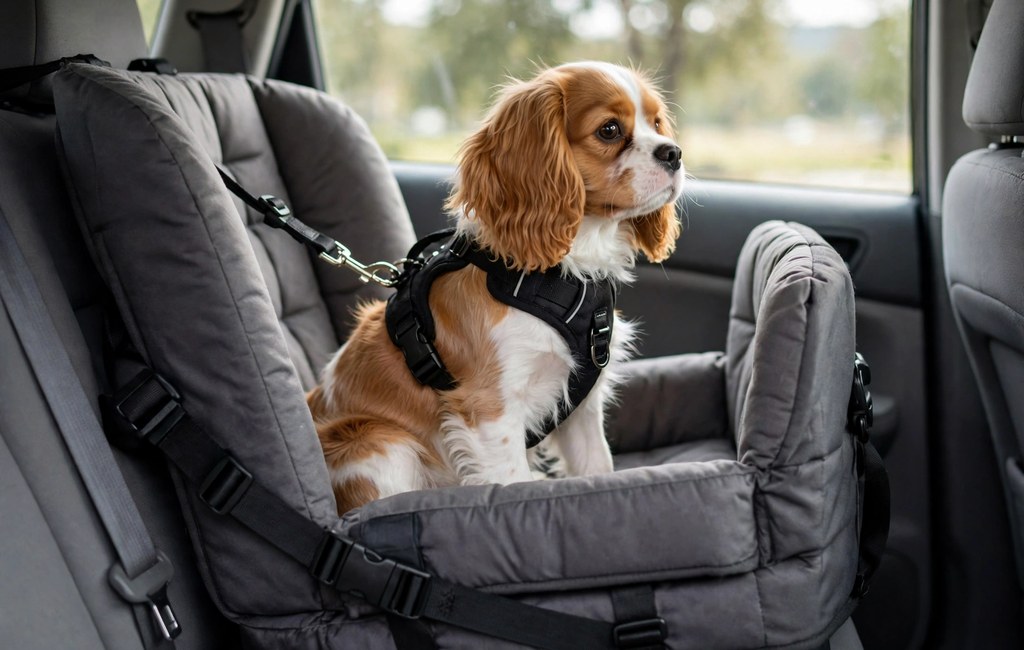

A small dog car seat gives a tiny dog a raised, contained, and comfortable riding space. First, choose a seat that matches your dog’s weight, length, and sitting height. Next, secure the seat firmly and clip its tether to a well fitted harness.
Small dogs often struggle to see outside from a low vehicle seat. Additionally, a dog car seat lifts your dog high enough for a calm window view. That clear view often reduces restlessness, whining, and travel anxiety during short trips.
Moreover, a defined space keeps paws, toys, and loose items away from pedals. You also gain a calmer ride because your dog stays in one predictable place. This guide explains sizing, comfort, restraint fit, and gentle travel routines.
Why a Raised Small Dog Seat Matters
Tiny breeds sit low, so ordinary vehicle seats hide the road from view. Consequently, many small dogs pace, climb, bark, or seek your lap while driving. Raised seats solve that problem by lifting your dog toward window height.
Elevation also helps anxious dogs watch movement pass in a steady rhythm. Similarly, a snug bolstered wall gives nervous dogs a clear boundary to lean against. For example, Chihuahuas, Pomeranians, and Yorkshire Terriers often settle faster when raised.
Raised seats also suit puppies, senior dogs, and dogs with short legs. In fact, a dog booster seat for car combines elevation, containment, and a harness tether. Choose firm support over soft, sagging sides for steady comfort on turns.
How to Size a Small Dog Car Seat
Measure Weight, Length, and Sitting Height
Start with your dog’s current weight, not an estimated adult weight. Then weigh your dog on a home scale while you hold your dog. Record that number and compare it with the seat’s stated weight limit.
Measure length from chest to base of tail while your dog stands relaxed. Next, measure sitting height from the seat surface to the top of head. Finally, measure width across the widest part of your dog’s resting body.
Compare Inner Dimensions Before You Choose
Weight limits alone can mislead you because body shapes vary widely. Therefore, compare inner length and inner width with your dog’s measurements. Your dog needs room to sit upright, turn slightly, and lie down.
- Weight range: Choose a seat rated above your dog’s current weight.
- Inner length: Match the inner floor to your dog’s chest to tail length.
- Sitting height: Allow head clearance above the seat wall during travel.
Size up when your dog sits between sizes, especially for growing puppies. However, avoid an oversized seat because excess space reduces containment and stability. Snug fitting keeps your dog secure without squeezing shoulders or hips.
Choose Comfort Features in a Small Dog Seat
Small breeds often feel cold, so choose warm, soft, and washable cushioning. Memory foam or dense padding supports joints during longer journeys. Additionally, raised bolsters support the head during naps and sudden stops.
Look for breathable fabric because small dogs can overheat in enclosed spaces. Meanwhile, a removable cover simplifies cleaning after muddy walks or accidents. Non-slip bases also prevent sliding when you brake or turn sharply.
Maltese, Shih Tzus, and Dachshunds often appreciate soft sides and gentle support. Pugs and other flat faced breeds need open airflow around the head. Senior dogs benefit from low entry sides and extra cushioning under joints.
Fit the Restraint Correctly
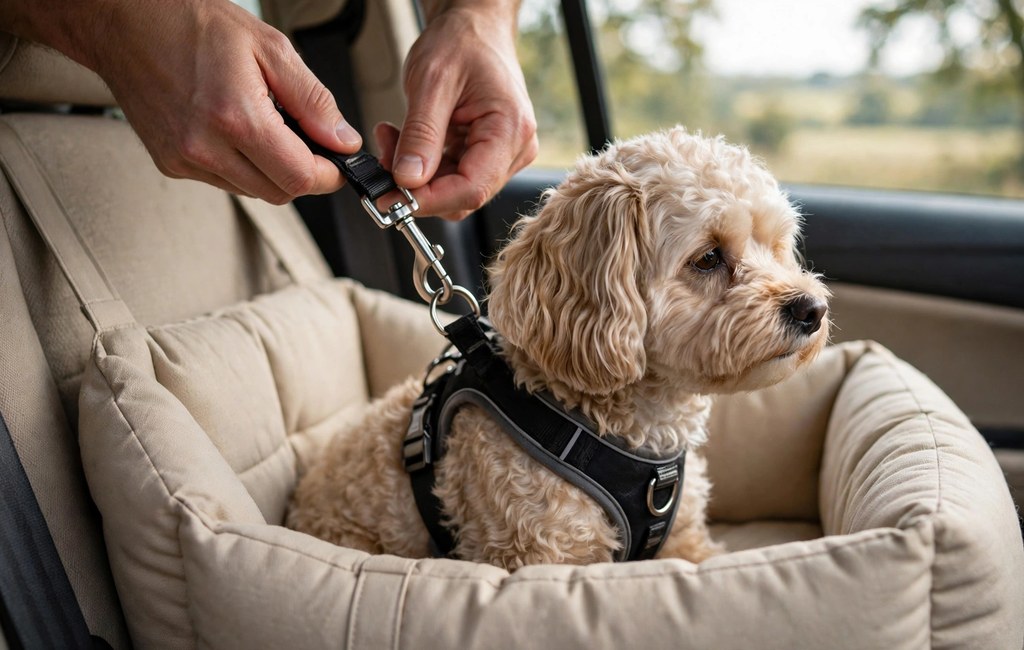
Attach every tether to a harness, never to a collar alone. Collars alone concentrate force on the neck during sudden stops. Therefore, fit a harness snugly and check the two finger gap under straps.
Follow the manufacturer’s instructions for your specific seat and vehicle. Check vehicle compatibility before travel, including seat shape and belt length. Test the seat without your dog first and tighten every strap until movement stops.
Restraints reduce risk, but they do not eliminate risk in a crash. Use the back seat whenever possible because front airbags can injure small dogs. Never leave a dog alone in a parked car during warm conditions.
Local restraint laws vary, so check rules for your area before long trips. For step by step guidance, read how to install a dog car seat before your first journey. Keep the manual in your vehicle for quick checks during travel.
Help Your Small Dog Settle in Its Seat
Introduce the seat indoors first and let your dog sniff it freely. After that, reward calm sitting inside the seat with treats and praise. Then take short drives around the block before attempting longer journeys.
Window views often ease motion sickness by reducing sensory conflict. Similarly, a familiar blanket carries home scent into the vehicle. Avoid feeding a large meal immediately before travel to reduce nausea.
Plan regular breaks on long trips for water, toileting, and stretching. Keep the vehicle cool and ventilated, especially for small, heat sensitive dogs. Finally, end each trip calmly so travel associations stay positive.
Keep the Small Dog Seat Clean and Stable
Shake out fur and crumbs after every trip to prevent buildup. Wash removable covers according to care labels and air dry them fully. Also inspect straps, buckles, and seams for wear each month.
Replace worn tethers promptly because frayed webbing weakens under force. Store the seat indoors when unused to protect fabric from sun damage. Check stability again after washing because covers can shift anchor points.
Frequently Asked Questions
What size car seat does a small dog need?
Choose inner dimensions that fit your dog’s length, width, and sitting height comfortably.
Can a small dog ride in the front seat?
Prefer the back seat because front airbags can injure small dogs during deployment.
Should I clip the tether to a collar or a harness?
Always clip the tether to a harness, never to a collar alone.
How do I stop my small dog feeling sick in the car?
Raise your dog for a window view, keep trips short initially, and avoid large pre-travel meals.
How often should I clean a small dog car seat?
Shake it out after trips and wash removable covers regularly following care labels.
Conclusion
Well sized raised seats transform stressful trips into calmer, safer journeys. Measure carefully, fit the harness correctly, and practise short, positive trips first. Start today by measuring your dog and choosing a comfortable, well fitted seat.

Thomas Walker is an accomplished writer with expertise in the basics of car accessories. With a keen eye for detail, Thomas has established himself as an authority on the subject, with a passion for all things automotive. Based in Jasper, Thomas is dedicated to providing readers with the information they need to make informed decisions when it comes to their car accessories.