
Stop driving at once when thick white smoke pairs with overheating or rapid coolant loss. Additionally, treat continuous smoke after warm-up as an urgent warning, not a minor glitch. Coolant burning inside hot cylinders can warp metal, destroy lubrication, and seize an engine quickly. Therefore, learn the exact stop-now signs before your next drive turns dangerous.
First, watch smoke thickness, smell, temperature, and coolant level together during every drive. Thin vapor that fades fast usually signals harmless condensation, however thick smoke demands immediate action. Meanwhile, a rising gauge or a warning light removes any doubt about pulling over promptly. This guide lists only stop-immediately triggers, so you can act fast and protect people and machinery.
Stop Driving When White Smoke Warning Signs Appear
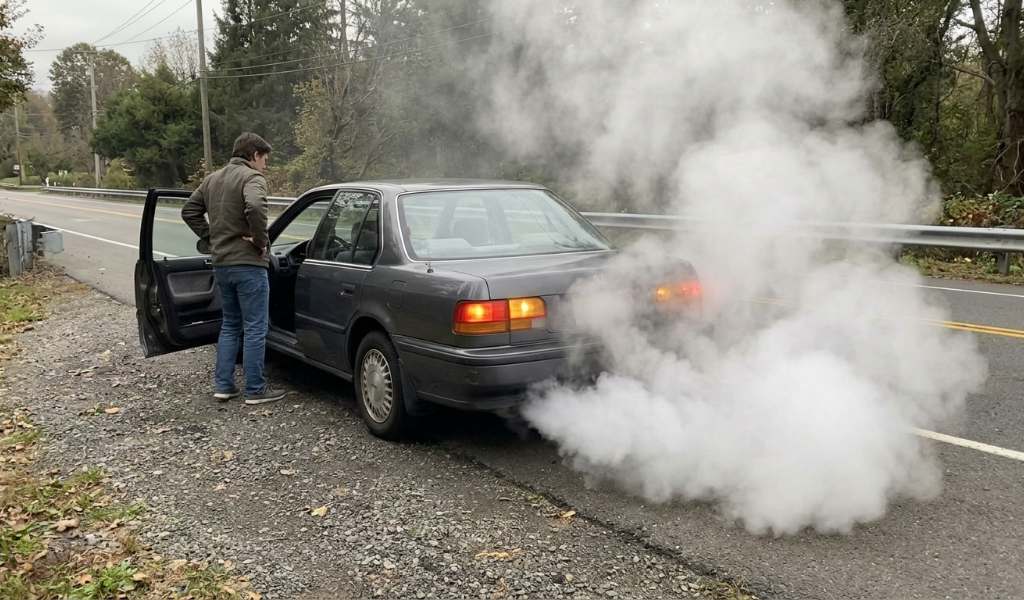
Thick smoke that keeps pouring after warm-up signals coolant burning inside the engine. This is the most urgent scenario tied to white smoke from exhaust, so read this before you keep driving. Next, pair that smoke with heat, smell, or fluid loss before you decide anything else. One strong warning sign alone justifies a safe stop, and two signs demand immediate action.
Also, check whether smoke grows denser under acceleration or stays heavy at idle. Drivers often notice power fading, rough idling, or misfires alongside serious coolant leaks. Consequently, treat combined symptoms as engine damage in progress, not a distant risk. Pull over promptly, switch off the engine, and call for professional help without delay.
For Thick White Smoke That Does Not Clear
First, compare brief cold-start vapor with smoke that lingers after full warm-up. Persistent billowing clouds usually mean coolant enters combustion chambers through a failed seal. Additionally, cracked cylinder heads and cracked engine blocks can feed the same dangerous leak. Therefore, stop promptly when dense smoke continues, even when the gauge still looks normal.
For Sweet White Smoke Or Rapid Coolant Loss
A sweet, syrup-like odor near the tailpipe strongly points toward burning coolant. Meanwhile, watch the reservoir level, because sudden drops confirm fluid escapes somewhere dangerous. However, absence of a puddle does not clear danger, since internal leaks hide fluid loss. Check levels only after cooling, and never open a hot cap under pressure.
Stop Driving And Pull Over For White Smoke Safely
Choose safety over distance the moment a stop-now sign appears. First, ease off the accelerator and steer steadily toward the nearest safe shoulder. Avoid sudden braking, because traffic behind you needs time to react safely. Then, switch on hazard lights early and keep passengers away from moving traffic.
- Signal early: Move toward the shoulder steadily and calmly.
- Stop clear: Park fully off the roadway whenever possible.
- Shut down: Switch off the engine immediately after stopping safely.
- Stay safe: Move occupants behind a barrier and away from traffic.
After stopping, apply the parking brake firmly and keep hazard lights flashing. Next, note smoke color, smell, gauge position, and any warning lights for the tow operator. Additionally, photograph the dashboard only from a safe position away from traffic. Do not restart the engine to test smoke, because one restart can worsen internal damage.
Stop Driving White Smoke Danger Signs That Demand A Tow
A tow protects your engine when warning signs combine, whereas driving gambles with catastrophic failure. Also, short trips still count as driving, and heat builds rapidly under load. Therefore, arrange towing before heat, pressure, or contamination spreads further through the engine. Tell the operator about overheating, smoke, and suspected coolant loss for proper handling.
White Smoke Meets An Overheating Gauge
First, treat any gauge movement into the red zone as an immediate stop command. Metal expands under extreme heat, gaskets fail further, and cylinder heads warp quickly. Meanwhile, steam or bubbling in the reservoir signals dangerous pressure inside cooling passages. Consequently, switch off the engine promptly and wait for complete cooling before any inspection.
Warning Lights And Engine Trouble
Warning lights, rough running, and sudden power loss together signal serious internal trouble. Additionally, milky residue on the dipstick or oil cap reveals coolant contaminating engine oil. Contaminated oil loses lubrication strength, so bearings and moving parts wear rapidly afterward. However, clean-looking oil does not guarantee safety when thick smoke and overheating persist.
A blown head gasket often explains combined smoke, overheating, and coolant loss together. Learn how technicians fix blown head gasket white smoke before authorizing any roadside repair. Also, avoid sealant shortcuts on the roadside, because temporary fixes cannot restore a failed seal. Instead, request a tow to a qualified shop for pressure testing and proper repair.
What To Do After You Stop Driving With White Smoke
First, stay calm and keep everyone clear of traffic while you assess safety. Next, call roadside assistance promptly and describe smoke, heat, and fluid loss clearly. Meanwhile, keep children and pets away from any coolant puddle, because coolant poisons living creatures. Do not touch hot hoses or caps, and wait patiently for temperatures to fall.
Also, gather repair estimates only after towing, since driving further can multiply damage and expense. Compare the cost to fix white exhaust smoke across qualified shops before approving major work. Additionally, ask each shop about testing, parts, labor, and warranty coverage in writing. Therefore, choose thorough diagnosis over the cheapest guess, because hidden cracks change repair scope.
After cooling completes, check the reservoir level cautiously without opening pressurized caps early. However, low coolant alone never justifies restarting, especially when smoke and heat accompanied the stop. Instead, share your observations with the mechanic, including sounds, smells, and gauge behavior.
Mistakes That Turn A Stop Into Engine Damage
First, never pour cold coolant into a scorching engine, because sudden thermal shock can crack metal. Similarly, never loosen a hot radiator cap, because pressurized steam can cause severe burns instantly. Also, avoid revving the engine to clear smoke, since extra load accelerates overheating and internal wear.
Liquid coolant inside a cylinder can lock the piston suddenly, a condition mechanics call hydrolock. Consequently, repeated cranking after hydrolock risks bending rods and cracking the engine block. Additionally, contaminated oil keeps damaging bearings even during brief restarts, so restraint matters enormously. Therefore, treat every restart decision as a repair decision, not a convenience choice.
Frequently Asked Questions
Can I Drive With Thick White Exhaust Smoke?
No, stop immediately when thick smoke pairs with heat, smell, or coolant loss.
How Long Can I Drive With A Blown Head Gasket?
Do not drive at all, because continued driving risks warped heads and engine failure.
What Smell Signals Burning Coolant With White Exhaust Smoke?
A sweet, syrup-like smell signals coolant burning inside hot combustion chambers.
Should I Add Coolant To A Hot Overheating Engine?
No, wait for complete cooling, because cold fluid can crack hot metal.
When Should I Call A Tow Truck Instead Of Driving?
Call immediately for overheating, thick smoke, warning lights, or rapid coolant loss.
Stop Early And Protect Your Engine
Thick white exhaust smoke with heat, smell, or fluid loss demands an immediate stop. Therefore, pull over safely, switch off the engine, and arrange towing without hesitation. Quick action often saves the cylinder head, bearings, and catalytic converter from ruin. Call roadside assistance now, describe every warning sign clearly, and protect your engine today.
The rule is simple: stop driving white smoke that thickens or smells sweet. Use this stop driving white smoke checklist before every long trip. Remember to stop driving white smoke emergencies early and protect your engine.
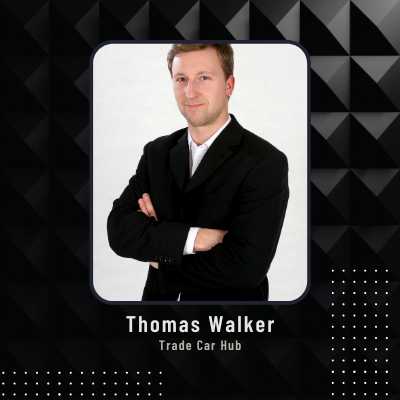
Thomas Walker is an accomplished writer with expertise in the basics of car accessories. With a keen eye for detail, Thomas has established himself as an authority on the subject, with a passion for all things automotive. Based in Jasper, Thomas is dedicated to providing readers with the information they need to make informed decisions when it comes to their car accessories.