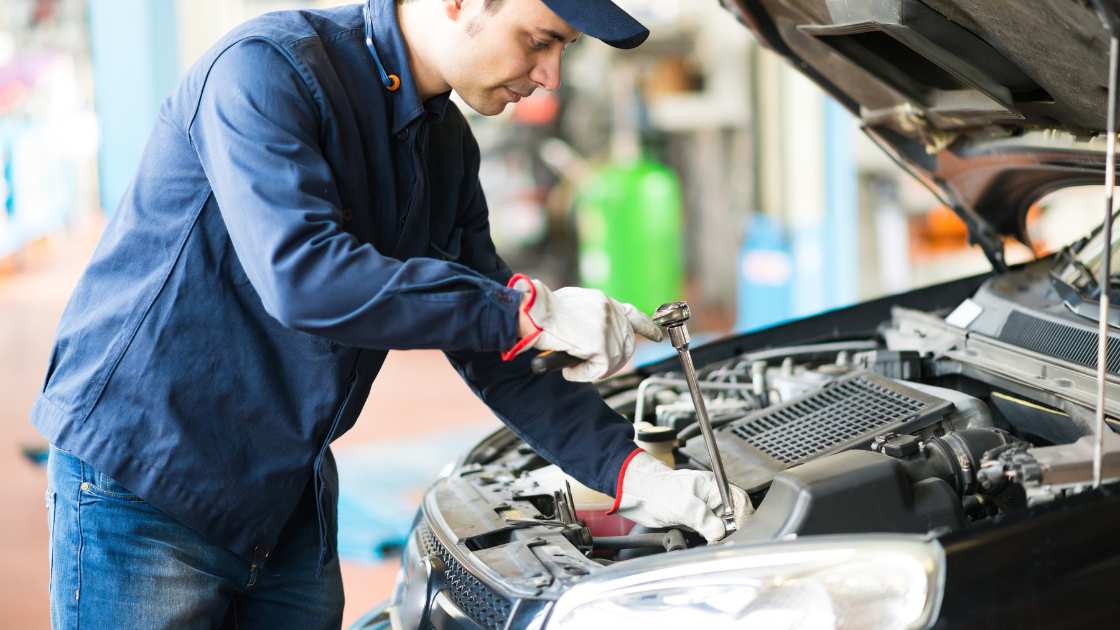

A steering column that vibrates while your car sits idling can be unsettling. It might feel like a minor annoyance at first. However, ignoring it often leads to bigger and more expensive problems down the road. Understanding the root causes and applying the right suspension and steering repairs can restore a smooth, safe driving experience.
This article walks you through everything you need to know. From common causes to step-by-step repair guidance, you will find clear answers here.
Why Does the Steering Column Vibrate at Idle?
When your engine runs at idle, it produces vibrations. These vibrations travel through the drivetrain and into the vehicle’s frame. Normally, mounts, bushings, and other components absorb most of this energy. However, when parts wear out or fail, those vibrations reach the steering column.
There are several reasons this happens. The most common culprits include worn engine mounts, damaged steering components, loose suspension parts, and unbalanced drivetrain elements. Additionally, issues with the power steering system can amplify vibrations significantly.
Identifying the exact source is the first step. From there, targeted suspension and steering repairs can eliminate the problem entirely.
Common Causes of Steering Column Vibration at Idle
Worn or Broken Engine Mounts
Engine mounts keep your engine secured to the frame. They also absorb engine vibration before it spreads. When these mounts crack or collapse, vibrations travel freely into the steering column. You may notice the vibration worsens during gear shifts or when the air conditioning kicks on.
Therefore, inspecting engine mounts is always a smart starting point. A broken mount is often visible during a simple under-hood check.
Damaged Universal Joints in the Steering Shaft
The steering shaft uses universal joints, often called U-joints, to transfer steering inputs around corners and bends. Over time, these joints wear out. They develop play, which allows vibration to pass directly up the column. Additionally, dry or corroded U-joints produce a similar effect.
Replacing worn U-joints is a straightforward repair. However, it requires removing part of the steering shaft, so proper tools are essential.
Worn Tie Rod Ends
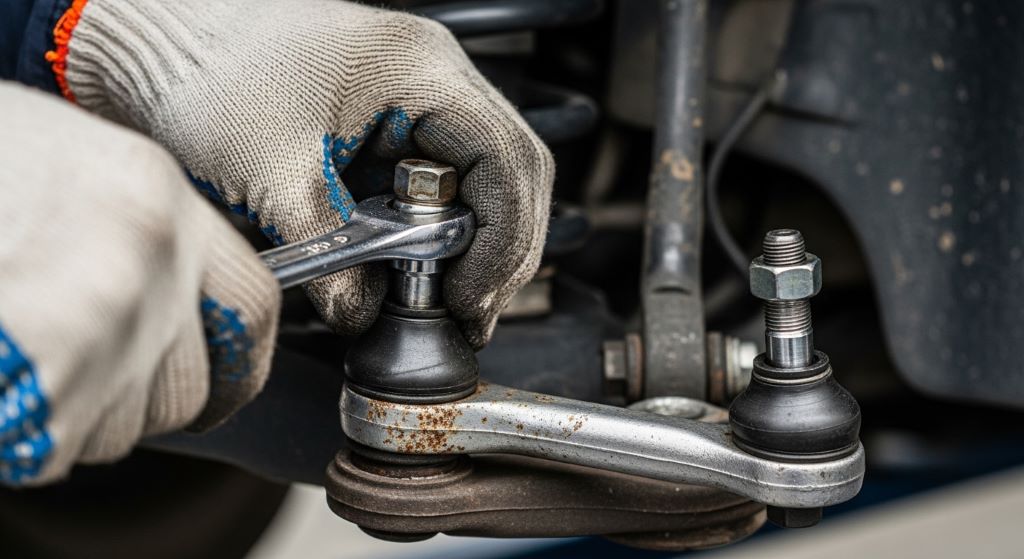
Tie rods connect the steering rack to the front wheels. When tie rod ends wear out, they create loose connections in the steering system. This looseness allows road noise and engine vibration to travel up into the column. Furthermore, worn tie rods affect wheel alignment, which can cause uneven tire wear.
A simple tug test on the wheel can reveal loose tie rod ends. If the wheel has lateral movement when grabbed at the 3 and 9 o’clock positions, the tie rods likely need attention.
Faulty Steering Rack or Gearbox
The steering rack translates your steering inputs into wheel movement. A worn or leaking steering rack can cause vibration and imprecise steering feel. Similarly, a loose or damaged steering gearbox in older vehicles creates unwanted movement. This movement vibrates up through the column, especially at idle when road noise does not mask it.
Loose or Worn Suspension Components
Suspension components like ball joints, control arm bushings, and sway bar links all affect how vibration travels through your vehicle. When these parts wear out, they no longer dampen vibration properly. As a result, engine vibrations find a clear path up through the chassis and into the steering column.
Power Steering System Issues
Low power steering fluid or a failing power steering pump can create vibration, especially at idle. The pump works harder at low RPMs. If it is struggling, you may feel a pulsing or shuddering sensation through the wheel. Additionally, air in the power steering lines can cause similar symptoms.
How to Diagnose the Problem
Before spending money on repairs, a proper diagnosis saves time and effort. Follow these steps to narrow down the cause.
Start with a visual inspection under the hood. Look for cracked or collapsed engine mounts. Check for any visible damage to steering components. Next, have someone sit in the car while you observe the engine at idle. A broken mount will allow the engine to move excessively.
Additionally, check your power steering fluid level. Low fluid is easy to spot and quick to fix. Move to the front of the vehicle and grab each front wheel. Test for any looseness that might indicate worn tie rod ends or ball joints.
A road test at low speed can also reveal important clues. If the vibration is only present at idle and disappears while driving, the issue is more likely engine-related. However, if it continues while driving, suspension components are more likely involved.
For a thorough diagnosis, consider using a professional alignment machine. It can detect subtle imbalances that are otherwise invisible.
Step-by-Step Repair Approach
Once you identify the problem, follow a logical repair sequence to fix it efficiently.
First, address engine mounts if they are damaged. Replacing engine mounts typically involves supporting the engine with a jack, unbolting the old mounts, and fitting new ones. This repair alone often resolves a majority of idle vibration issues.
Second, inspect and replace U-joints in the steering shaft if they show wear. Remove the lower section of the steering shaft, replace the U-joints, and reinstall carefully. Grease the new joints properly to ensure long life.
Third, replace worn tie rod ends. After replacement, always get a wheel alignment. This ensures the wheels are pointing correctly and prevents premature tire wear.
Fourth, if the steering rack shows signs of wear or leaking, replace it. This is a more involved repair, but it is worth doing correctly. A fresh steering rack dramatically improves steering feel.
Fifth, replace any worn suspension bushings, ball joints, or sway bar links. These parts are inexpensive individually. However, replacing them together during one service visit saves labor time.
Finally, flush and refill the power steering system if fluid appears dirty or contaminated. Bleed any air from the system afterward to restore smooth operation.
Preventing Future Steering Column Vibration
Prevention is always better than repair. A few simple habits can protect your steering and suspension system for years.
Schedule regular inspections every 12,000 miles or once a year. Check fluid levels monthly, especially power steering fluid. Avoid hitting curbs or potholes at speed, as these impacts shock suspension components hard. Additionally, rotate your tires every 5,000 to 6,000 miles to maintain even wear and reduce vibration-causing imbalances.
Use quality replacement parts whenever possible. Cheap parts often fail faster, leading to repeat repairs. Investing in trusted brands saves money in the long run.
Conclusion
Steering column vibration at idle is not something to ignore. It signals that one or more components in your suspension or steering system need attention. Common causes include worn engine mounts, damaged U-joints, loose tie rod ends, a faulty steering rack, worn suspension parts, and power steering issues.
Diagnosing the problem carefully before starting repairs saves time and money. A logical, step-by-step repair approach ensures the root cause is addressed, not just the symptom. Additionally, regular maintenance and inspections prevent these problems from returning.
By taking action early and performing thorough suspension and steering repairs, you restore safety, comfort, and confidence behind the wheel.
Frequently Asked Questions
Can I drive my car if the steering column vibrates at idle?
You can drive it for a short time, but it is not recommended. Vibration at idle often signals a failing component. Continuing to drive without repair can worsen the damage and compromise your safety.
How much does it cost to fix steering column vibration?
Costs vary depending on the cause. Replacing engine mounts typically costs between $200 and $600. Tie rod end replacement ranges from $100 to $300 per side. Steering rack replacement can cost $500 to $1,500 or more depending on the vehicle.
Can bad tires cause steering column vibration at idle?
Tires cause more vibration while driving at speed rather than at idle. However, severely unbalanced or damaged tires can contribute to vibrations felt through the steering wheel even when stationary.
How do I know if my power steering pump is causing the vibration?
Listen for a whining or groaning noise at idle. Check the power steering fluid level. If the fluid is low or the pump sounds strained, it is likely contributing to the vibration you feel in the column.
Is steering column vibration at idle dangerous?
It can be. Worn suspension and steering components reduce your vehicle’s handling ability. In an emergency situation, degraded steering response can make it harder to avoid an accident. Therefore, addressing the issue promptly is strongly advised.
Related Topics:
How to Clean a Car Interior Using the Best Cleaning Kits
How to Choose a Reliable Towing Service in an Emergency

Thomas Walker is an accomplished writer with expertise in the basics of car accessories. With a keen eye for detail, Thomas has established himself as an authority on the subject, with a passion for all things automotive. Based in Jasper, Thomas is dedicated to providing readers with the information they need to make informed decisions when it comes to their car accessories.