

You can prevent white exhaust smoke from returning through steady coolant care and gentle driving habits. These seven habits protect gaskets, control engine heat, and catch small leaks before major damage starts. Together, they keep combustion chambers dry, coolant levels stable, and exhaust output clean over time.
Start with a simple weekly routine around coolant, oil, temperature, and visible leaks under your vehicle. Prevention starts with understanding exactly what causes white smoke from exhaust in the first place. Additionally, small changes in warm-up behavior and service timing reduce stress on seals and cooling parts. Consequently, your engine runs cooler, seals last longer, and white vapor stays away after repairs.
Prevent White Exhaust Smoke: Check Coolant Levels Every Week
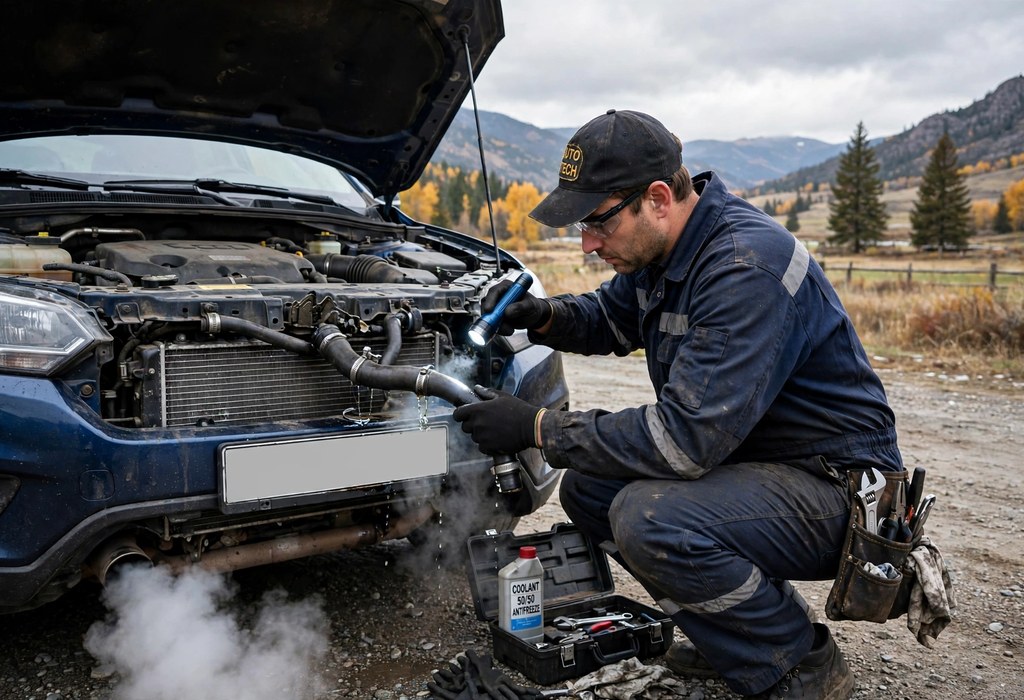
Check coolant levels weekly while the engine stays completely cool and parked on level ground. Additionally, compare the reservoir level against minimum and maximum marks during every single inspection. Top up coolant promptly with the correct type whenever levels drop below the minimum mark.
Inspect hoses, clamps, and radiator seams for damp spots, cracks, or faint white residue. Furthermore, sniff near the reservoir for a sweet odor that signals coolant escaping somewhere nearby. Record each reading in a small notebook so gradual losses become obvious over several weeks. Therefore, weekly checks reveal slow leaks early and protect head gaskets from dangerous overheating.
Keep Engine Oil Fresh And Full
Change engine oil on schedule using the viscosity grade your owner’s manual recommends for your vehicle. Moreover, fresh oil lubricates seals, reduces internal friction, and limits heat buildup inside the engine. Check the dipstick weekly and watch for milky residue that suggests coolant mixing with oil.
Replace the oil filter during every oil change so contaminants never circulate through sensitive engine parts. Also, avoid overfilling oil because excess oil increases pressure and strains seals over time. Listen for new ticking sounds after oil changes and investigate unusual noises without delay. Consequently, clean oil supports gasket health and helps you prevent white exhaust smoke from recurring.
Warm Up Your Engine Gently
Let the engine idle briefly before driving so oil reaches every moving part before heavy loads begin. Similarly, gentle warm-ups reduce thermal shock across cylinder heads, gaskets, and cooling passages. Drive slowly during the first few minutes and keep engine speeds moderate until temperature stabilizes.
Avoid hard acceleration, heavy towing, and steep climbs while the temperature gauge still climbs upward. Meanwhile, watch the gauge closely and ease off driving if temperatures rise faster than normal. Turn off air conditioning briefly during warm-up so the engine warms evenly without extra strain. Finally, steady warm-up habits protect seals from sudden expansion and contraction cycles.
Drive Gently To Protect Gaskets
Prevent sudden overheating by easing into traffic, maintaining steady speeds, and anticipating stops ahead. Additionally, heavy loads stress gaskets, so distribute cargo evenly and respect towing limits strictly. Pull over promptly whenever the temperature gauge climbs into the red zone during driving.
Allow the engine to cool completely before opening the radiator cap or adding fresh coolant. Early action also avoids the high cost to fix white exhaust smoke after major gasket failure. Furthermore, avoid repeated short trips with cold starts because frequent cycling strains cooling components. Therefore, calm driving preserves gasket seals and keeps combustion chambers free from coolant intrusion.
Prevent White Exhaust Smoke With Cooling System Service On Schedule
Flush coolant at manufacturer intervals so old fluid never corrodes passages or clogs narrow channels. Moreover, technicians pressure test the system, inspect the water pump, and replace weak components early. Replace the thermostat, radiator cap, and worn hoses before failures trigger overheating or coolant loss.
Schedule belt inspections alongside coolant service because slipping belts reduce water pump efficiency quickly. Also, ask mechanics to bleed trapped air from cooling lines after every coolant replacement service. Clean radiator fins gently and remove debris that blocks airflow through the cooling system. Consequently, scheduled servicing maintains stable temperatures and prevents small faults from escalating.
Spot Warning Signs Early Every Day
Glance at the exhaust during startup and note any thick white vapor lasting beyond warm-up. Additionally, check the ground beneath your vehicle for sweet-smelling puddles after parking overnight. Monitor the temperature gauge during every drive and respond immediately to unusual spikes.
Prompt diagnosis helps you fix blown head gasket white smoke before cracks spread through cylinder heads. However, brief thin vapor on cold mornings usually signals harmless condensation, not internal damage. Watch dashboard warning lights closely and book inspections promptly after any coolant warning appears. Therefore, early attention turns minor leaks into simple repairs instead of expensive engine overhauls.
Perform Seasonal Checks Before Extremes
Inspect coolant strength before winter and summer because extreme temperatures stress gaskets and hoses. Furthermore, test the heater, radiator fan, and thermostat operation before seasonal temperature swings arrive. Replace cracked hoses and brittle clamps ahead of freezing weather or intense summer heat.
Check the air filter seasonally because restricted airflow disrupts combustion and increases exhaust vapor. Also, verify fuel quality and injector cleanliness during seasonal service visits with trusted mechanics. Protect parked vehicles from extreme cold with shelter whenever possible during harsh weather periods. Finally, seasonal preparation reduces gasket strain and keeps white smoke from returning unexpectedly.
Frequently Asked Questions
Is white exhaust smoke always serious?
No, brief thin vapor usually clears quickly, but persistent thick smoke demands immediate professional inspection.
How do I prevent white exhaust smoke in the future?
Follow scheduled coolant checks, oil changes, and gentle warm-up habits without exception.
Can low coolant cause white exhaust smoke?
Yes, low coolant triggers overheating, and overheating damages gaskets that leak coolant into cylinders.
What does white smoke with a sweet smell mean?
A sweet smell usually indicates burning coolant leaking through a damaged gasket or cracked component.
Can I drive with white exhaust smoke returning?
Stop driving promptly if thick smoke persists, coolant drops, or temperature climbs unusually high.
Start Your Prevention Routine Today
Adopt these seven habits today and protect your engine from recurring white smoke problems. Additionally, combine weekly checks with scheduled servicing for complete cooling system protection. Share this routine with family drivers so every vehicle receives consistent preventive care.
Start your prevention routine this week by checking coolant, oil, and temperature gauge readings today. Book a cooling system inspection soon if you notice any warning sign from this guide. Act now, stay consistent, and enjoy cleaner exhaust plus longer engine life ahead.

Thomas Walker is an accomplished writer with expertise in the basics of car accessories. With a keen eye for detail, Thomas has established himself as an authority on the subject, with a passion for all things automotive. Based in Jasper, Thomas is dedicated to providing readers with the information they need to make informed decisions when it comes to their car accessories.