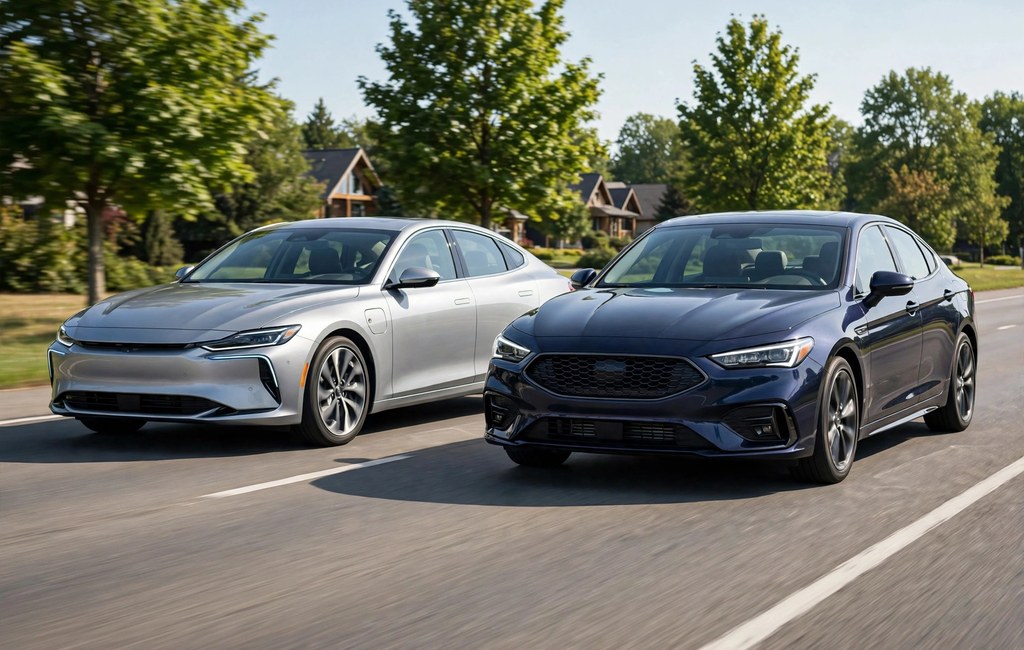
An automatic hybrid pairs a gasoline engine with an electric motor for every trip. In contrast, a gasoline automatic relies entirely on its engine for movement. Therefore, the two designs differ in fuel use, response, comfort, and daily upkeep.
For example, hybrids recover braking energy and move quietly at low speeds. However, gasoline automatics feel more familiar, with distinct gear changes and steady engine sound. Overall, this comparison judges each powertrain round by round across everyday ownership.
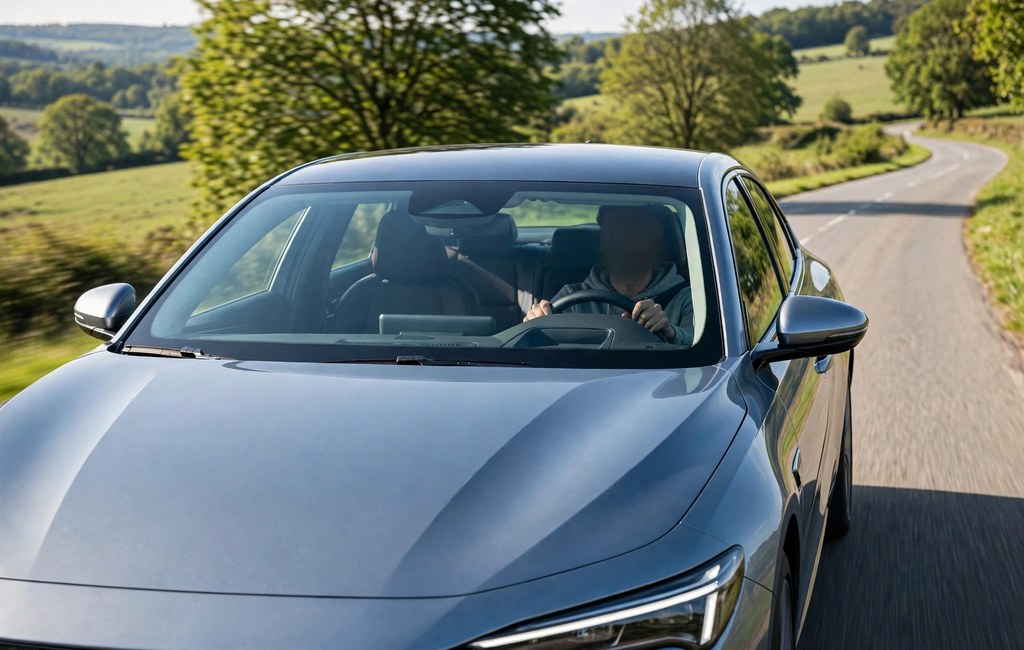
Also, both types shift automatically, so drivers focus simply on steering and braking. Still, their daily experience differs once traffic, hills, and highway cruising enter the picture.
How Hybrid and Gasoline Automatic Cars Differ
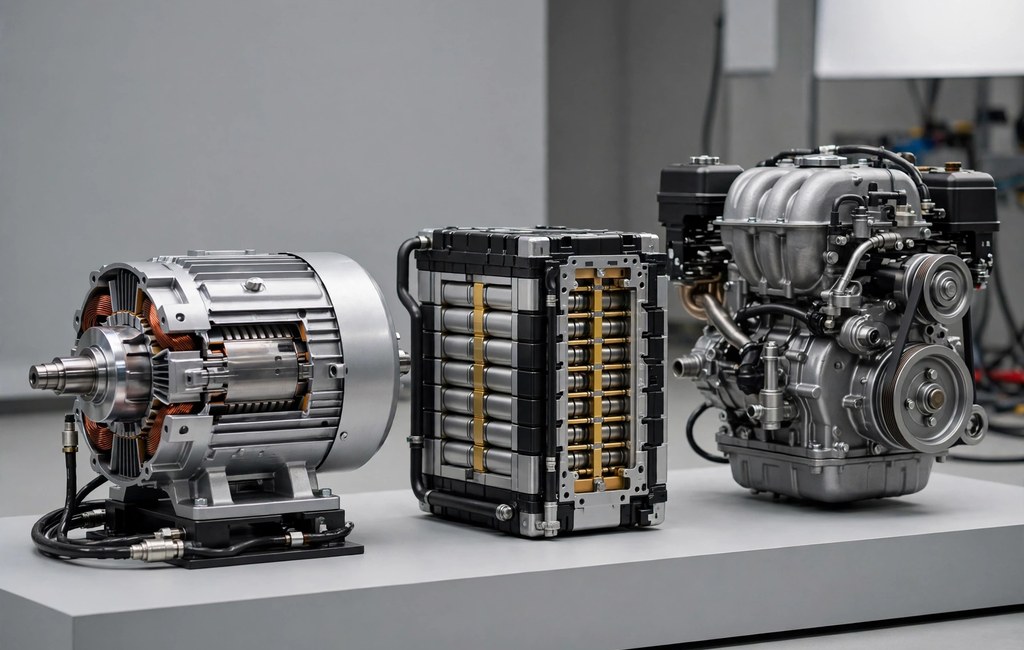
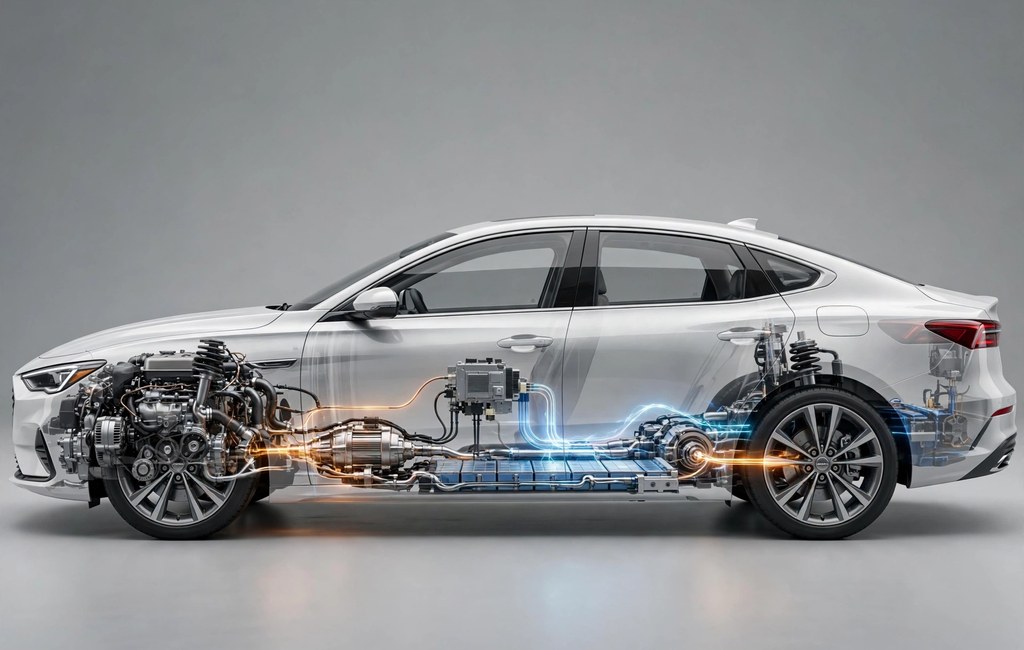
First, an automatic hybrid car blends electric assistance with gasoline power through coordinated controls. Meanwhile, a gasoline automatic sends engine power through stepped gears or a conventional variable transmission. Similarly, both designs use software, yet hybrids coordinate two power sources instead of one. An automatic hybrid uses gasoline only inside its combustion engine.
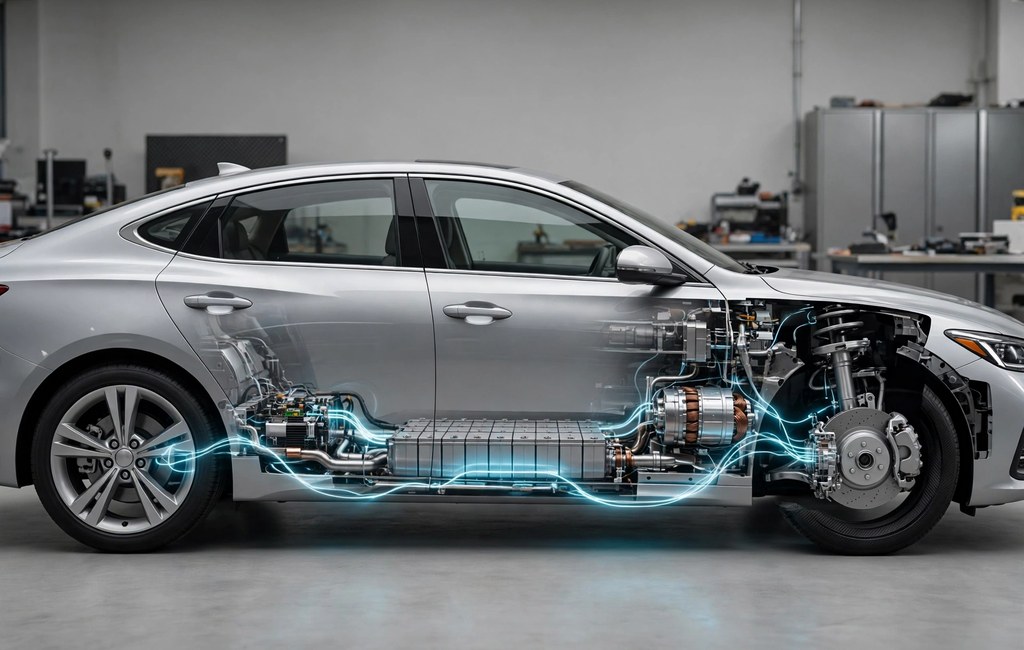
For instance, many hybrids use an eCVT with a power-split device for blending. In contrast, gasoline automatics rely on gear ratios, torque converters, and shift logic alone. Also, hybrids add a high-voltage battery, inverter, and electric motor to familiar hardware.
However, mild hybrids assist the engine briefly and never drive wheels electrically alone. Meanwhile, full hybrids drive short distances electrically, then restart the engine when needed. In addition, plug-in hybrids carry larger batteries and accept charging from home outlets.
Notably, hybrid controls choose power sources automatically, balancing efficiency, response, and battery charge. Instead, gasoline controls manage only engine output, airflow, fuel delivery, and gear selection. Every automatic hybrid still burns gasoline during highway cruising.
Fuel Consumption for Automatic Hybrid and Gasoline Cars
First, hybrids use far less fuel during stop-and-go city driving than gasoline automatics. For example, the electric motor handles launches, crawls, and short low-speed stretches independently. Also, the engine shuts off at lights, so idling wastes no fuel at all.
Meanwhile, regenerative braking recovers part of each stop and recharges the battery pack. In contrast, gasoline automatics turn braking energy into heat through friction brakes alone. Consequently, city traffic widens the fuel gap more than any other condition.
However, highway cruising narrows the gap because both engines work almost continuously. Still, hybrids keep small advantages through efficient gearing, motor assistance, and streamlined engine loading. Overall, steady speeds favor gasoline efficiency, while frequent stops strongly favor hybrid efficiency.
Similarly, cold starts and short trips reduce efficiency for both powertrain types noticeably. For instance, engines warm fully during longer drives, so systems operate more efficiently afterward. An automatic hybrid stretches gasoline further in slow traffic.
Acceleration in Automatic Hybrid and Gasoline Cars
First, electric motors deliver maximum torque instantly, so hybrids respond immediately from rest. In contrast, gasoline automatics build power as revolutions rise and gears change sequentially. Therefore, hybrids feel alert in traffic, parking maneuvers, and short merging gaps.
Meanwhile, hybrids move silently at low speeds, then introduce engine sound quite smoothly. Similarly, transitions between electric and gasoline power usually feel seamless during gentle driving. However, hard acceleration holds hybrid engine revolutions steady, creating a sustained droning note.
For instance, gasoline automatics offer familiar rising notes and distinct shifts under acceleration. Also, both powertrains cruise comfortably, yet hybrids feel calmer around town overall. In short, hybrids prioritize smoothness, while gasoline automatics prioritize familiar mechanical feedback. The automatic hybrid saves gasoline whenever electricity takes over.
In particular, low-speed electric driving feels relaxed because vibration and engine noise disappear. On the other hand, gasoline drivers appreciate predictable response during sustained high-speed passing.
Maintenance Differences Between Hybrid and Gasoline Cars
First, both powertrains need oil changes, filters, coolant checks, and regular tire rotations. Also, both use a small accessory battery alongside their main propulsion systems. However, hybrids add battery cooling, inverter checks, and high-voltage cable inspections periodically.
For example, regenerative braking slows hybrids electrically, so friction brakes wear much slower. Meanwhile, gasoline automatics depend entirely on friction brakes during every single stop. Still, hybrid brake parts need inspection because corrosion develops during long, gentle use. An automatic hybrid cuts gasoline use most during city trips.
In addition, hybrid engines run fewer hours because motors handle low-speed work independently. Consequently, hybrid engines often accumulate wear slower during dense urban driving patterns. In contrast, gasoline transmissions need fluid services that hybrid eCVT designs schedule differently.
Long-Term Ownership Considerations
Over time, hybrid batteries gradually lose capacity, yet most packs serve many years reliably. Meanwhile, gasoline automatics avoid high-voltage components, so independent workshops service them widely. Also, hybrid repairs sometimes require trained technicians, protective equipment, and specialized diagnostic tools.
- City driving: For example, hybrids win this round through electric launches and recovered energy.
- Highway driving: However, both powertrains settle into steady, efficient cruising at sustained speeds.
- Acceleration feel: Meanwhile, hybrids respond instantly and quietly, while gasoline automatics feel traditionally mechanical.
- Brake upkeep: Therefore, hybrids preserve friction brakes longer because regenerative braking handles most slowing.
- System complexity: In contrast, gasoline automatics stay simpler, while hybrids add batteries, inverters, and motors.
Overall, daily usability feels similar because both refuel quickly at ordinary stations. Still, plug-in hybrids add home charging, while standard hybrids need no plugging at all. Finally, careful servicing keeps either powertrain dependable across long ownership periods.
Frequently Asked Questions
Do hybrid cars use less fuel in city driving?
Yes, hybrids use less city fuel because electric power handles stops, starts, and crawling.
Why do hybrids accelerate smoothly from a stop?
Hybrids accelerate smoothly because electric motors deliver full torque immediately without waiting for gears.
Do hybrid brakes last longer than gasoline car brakes?
Yes, hybrid brakes last longer because regenerative braking handles most everyday slowing work.
Are hybrid cars harder to maintain than gasoline cars?
Also, hybrids need similar routine care, plus checks on batteries, inverters, and cooling.
Do hybrids work well on highways?
Yes, hybrids cruise highways comfortably, although their fuel advantage narrows during steady, fast driving.
Conclusion
Overall, hybrids win cities, while gasoline automatics keep highways simple and familiar. Meanwhile, both deliver comfortable automatic driving when drivers maintain them carefully. Therefore, your routes, traffic patterns, and servicing access shape the better daily fit.
Next, track your typical routes and notice launches, noise, and braking feel daily. Then, discuss hybrid servicing needs and inspection intervals with a qualified technician.

Thomas Walker is an accomplished writer with expertise in the basics of car accessories. With a keen eye for detail, Thomas has established himself as an authority on the subject, with a passion for all things automotive. Based in Jasper, Thomas is dedicated to providing readers with the information they need to make informed decisions when it comes to their car accessories.