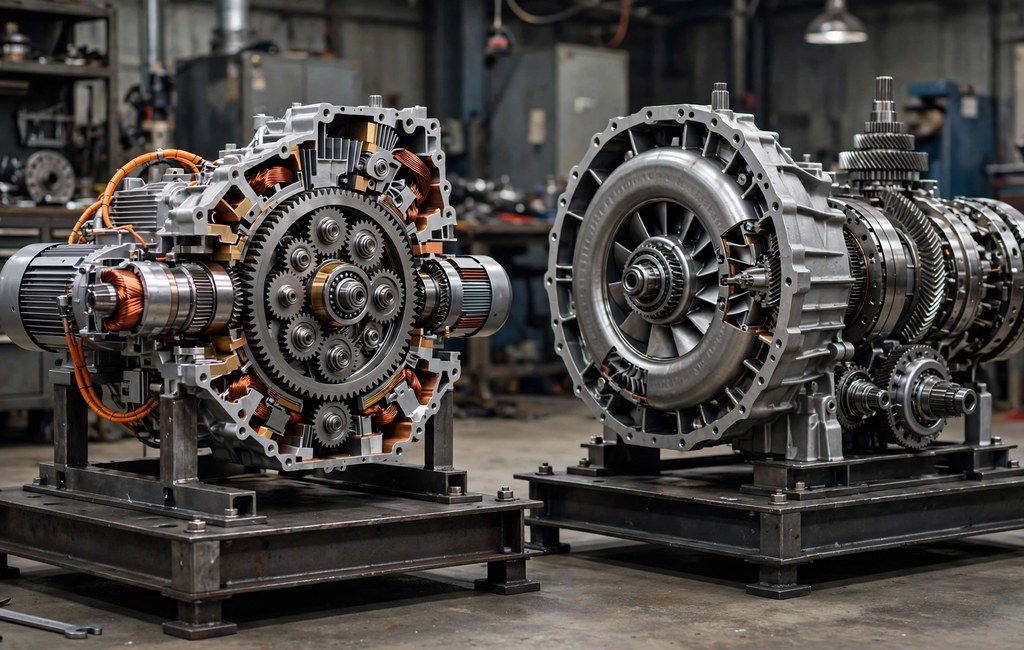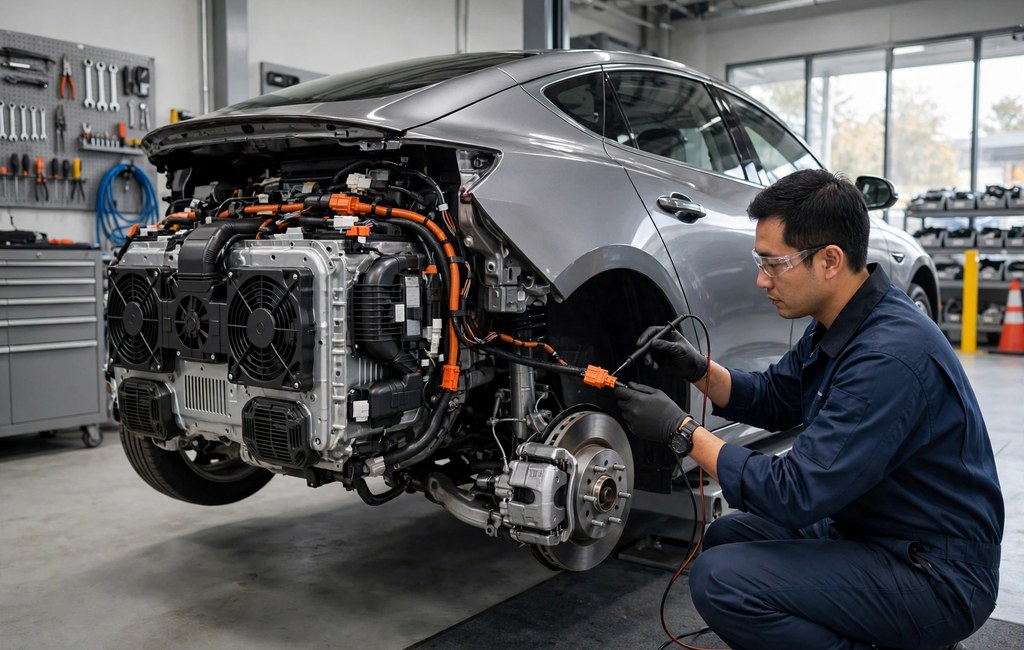
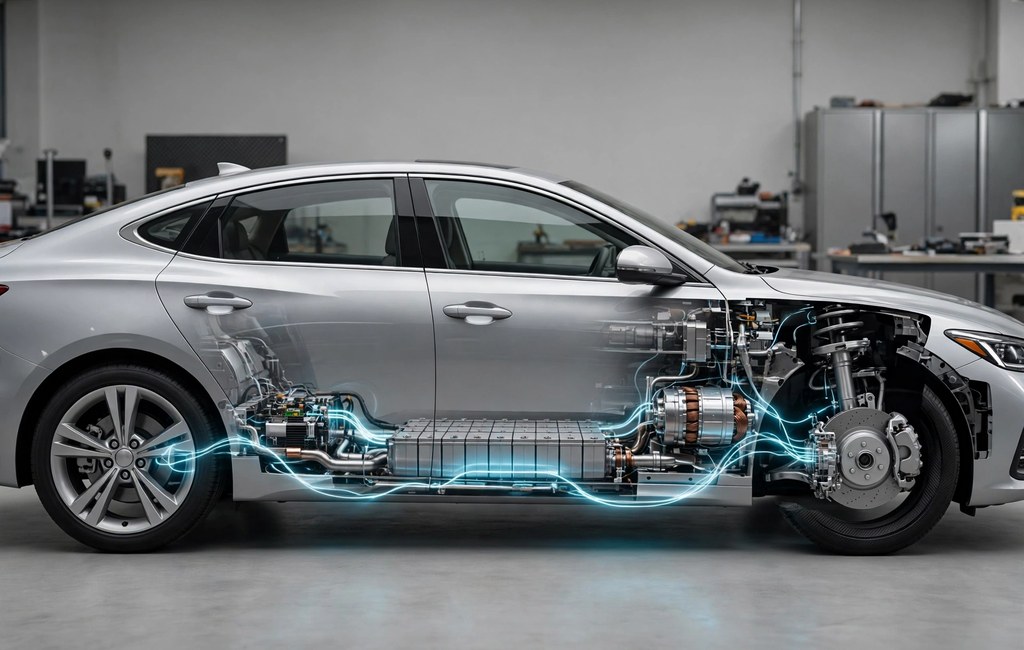
Regenerative braking turns the hybrid electric motor into a generator during every stop. As a result, the system converts motion into electricity instead of wasting it as heat. Then that recovered energy flows into the battery for the next launch. Meanwhile, the friction brakes still stand ready for hard stops.
In fact, following one stop reveals how an automatic hybrid car reuses energy conventional brakes throw away. Specifically, this article traces that journey from spinning wheels to stored charge. Finally, it also explains blended braking, friction backup, and lasting brake wear benefits. So every slowdown becomes a small chance to recharge.
What Is Regenerative Braking?
First, picture a hybrid rolling toward a red light. Its motion also carries kinetic energy, which grows with speed and weight. Instead, a conventional car wastes that energy as brake heat.
However, a hybrid treats that moving energy as a resource. When the driver slows down, the system captures a portion of it. Consequently, slowing down becomes partly a charging event, not pure loss. Regenerative braking gives hybrid cars their distinctive slowing feel.
For example, one ordinary stop carries energy through three forms. First it exists as motion, then as electricity, finally as charge.
How Electric Motors Recover Braking Energy
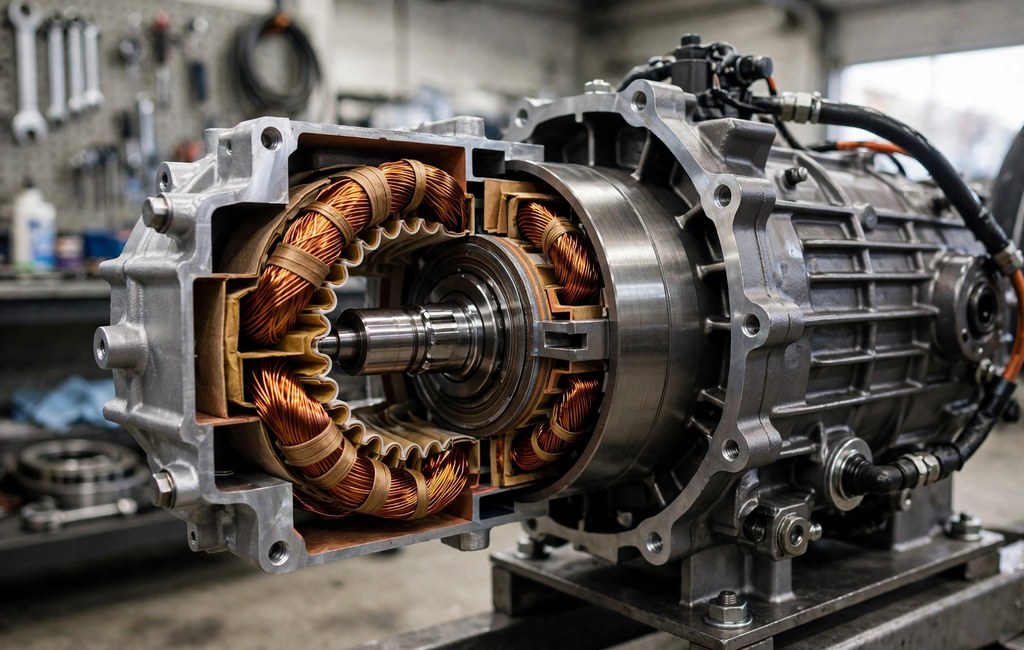
During normal driving, the battery sends electricity to the motor. Then the motor turns that electricity into rotation at the wheels. However, an electric motor can also run this process backward.
When you lift off the accelerator, the wheels keep spinning the motor. Instead of consuming power, the motor now generates electrical current. Meanwhile, that generating resistance pushes back against the wheels. As a result, the car slows while it produces charge. Regenerative braking helps hybrid batteries last through long descents.
Next, pressing the brake pedal requests stronger regeneration from the motor. Therefore, gentle braking recovers a meaningful share of the stop’s energy. In contrast, coasting without pedal input produces milder, earlier recovery.
In particular, stronger pedal pressure increases generator torque and current. Still, the motor alone cannot deliver emergency stopping force.
How Recovered Energy Recharges the Battery
Next, the fresh current leaves the motor as alternating current. However, the battery stores energy as direct current instead. Therefore, power electronics convert the current before storage. Meanwhile, some energy escapes as heat during each conversion step. Regenerative braking in a hybrid works hardest below city speeds.
Then controllers route the converted electricity into the battery pack. In addition, the battery management system monitors temperature and charge level. As a result, the pack accepts charge safely without overcharging.
Finally, the stored energy returns to work during the next launch. For example, the motor draws that charge to assist the engine. Consequently, the engine burns less fuel across repeated stops.
Regenerative Braking vs Conventional Braking
In contrast, conventional braking relies entirely on friction between components. Specifically, pads clamp onto spinning rotors and scrub away speed. Meanwhile, every bit of that motion energy escapes as heat. Regenerative braking lets hybrid drivers use friction brakes less.
However, regenerative braking recovers energy before friction takes over. Similarly, both systems answer the same brake pedal request. Instead, a controller blends them, so deceleration stays smooth and predictable. In fact, the driver rarely notices the handoff between systems.
- Energy outcome: Regeneration stores recovered energy, while friction braking discards it as heat.
- Primary tool: The electric motor slows the car during regeneration.
- Backup role: Friction brakes still guarantee strong, complete stops.
Why Regenerative Braking Changes Brake Wear
Because the motor handles much routine slowing, friction parts rest more. For instance, light city stops often need little pad contact. As a result, pads and rotors usually wear more slowly.
Over time, gentler friction use also reduces brake dust buildup. However, the friction brakes remain essential safety hardware, not decoration. Therefore, drivers should still inspect pads, rotors, and fluid regularly. Similarly, calipers and hoses also see gentler, cooler duty cycles. Regenerative braking returns hybrid energy at nearly every stop.
In fact, rarely used brakes can develop surface corrosion instead. Meanwhile, occasional firm stops help clean the rotor surfaces. Overall, regeneration stretches component life without removing maintenance needs.
What Affects Regenerative Braking Performance?
First, battery charge level sets the ceiling for energy recovery. When the battery sits nearly full, it cannot accept much charge. Consequently, the controller limits regeneration and leans on friction brakes.
- Vehicle speed: Regeneration fades at crawling speeds, so friction finishes each stop.
- Braking demand: Hard braking exceeds motor capacity, so friction brakes add force.
- Battery temperature: Cold batteries accept charge slowly, while warm batteries recover more.
- Driving pattern: Stop-and-go traffic creates frequent recovery chances during daily driving.
In addition, light early braking gives the motor more recovery time. Therefore, smooth anticipation improves both efficiency and passenger comfort.
Frequently Asked Questions
How does regenerative braking charge the battery?
When slowing, the motor generates electricity, and controllers feed that current into the battery.
Do hybrids still have regular brakes?
Yes, hybrids also keep full friction brakes for hard stops, final stops, and emergencies.
Why does regenerative braking feel different?
Because the motor resists wheel rotation, deceleration begins smoothly as you lift off.
What happens when the battery is full?
Then the system limits regeneration, and the friction brakes handle more slowing.
Does regenerative braking save brake pads?
Yes, the motor does much routine slowing, so pads and rotors wear slower.
Conclusion
In short, regenerative braking turns every stop into partial recovery. First the motor generates electricity, then the battery stores it. Finally, that stored energy helps power the next launch. Meanwhile, the friction brakes quietly guarantee every complete, safe stop.
As a result, hybrids waste less energy and spare their brakes. So brake gently and early on your next drive downtown. Then watch the charge gauge climb during your daily commute.

Thomas Walker is an accomplished writer with expertise in the basics of car accessories. With a keen eye for detail, Thomas has established himself as an authority on the subject, with a passion for all things automotive. Based in Jasper, Thomas is dedicated to providing readers with the information they need to make informed decisions when it comes to their car accessories.