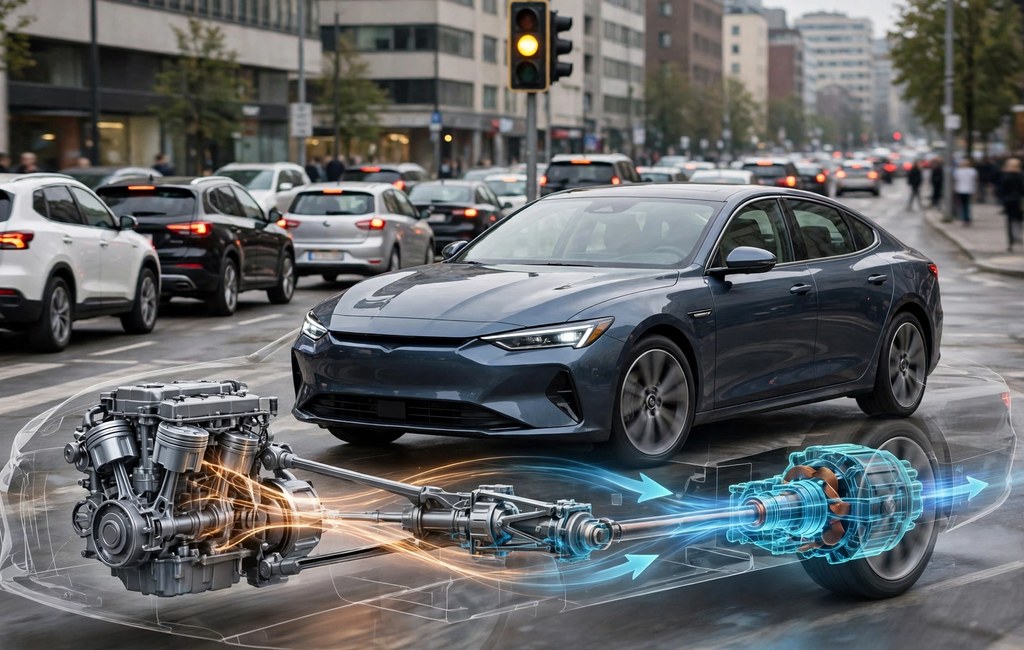
Hybrid cars often puzzle drivers with engine sounds that appear without matching acceleration. For example, the engine may rev suddenly while the car barely accelerates. Similarly, a steady hum often comes from electrical parts working quietly.
However, the eCVT, battery, and motors constantly trade tasks during driving. Therefore, engine speed often follows power demand instead of road speed. Still, grinding, knocking, or warning lights signal a different story entirely. Overall, each category below explains one sound in turn.
Meanwhile, pumps, fans, and warning speakers add extra sounds at low speed. In addition, these sounds change as conditions shift throughout each trip. Indeed, learning each sound helps you separate routine operation from trouble.
Why the Engine in Hybrid Cars Revs Without Normal Gear Changes

When you drive an automatic hybrid car daily, the engine starts and stops frequently. For example, the system starts the engine to recharge the low battery. Also, the engine runs to provide cabin heat on cold mornings.
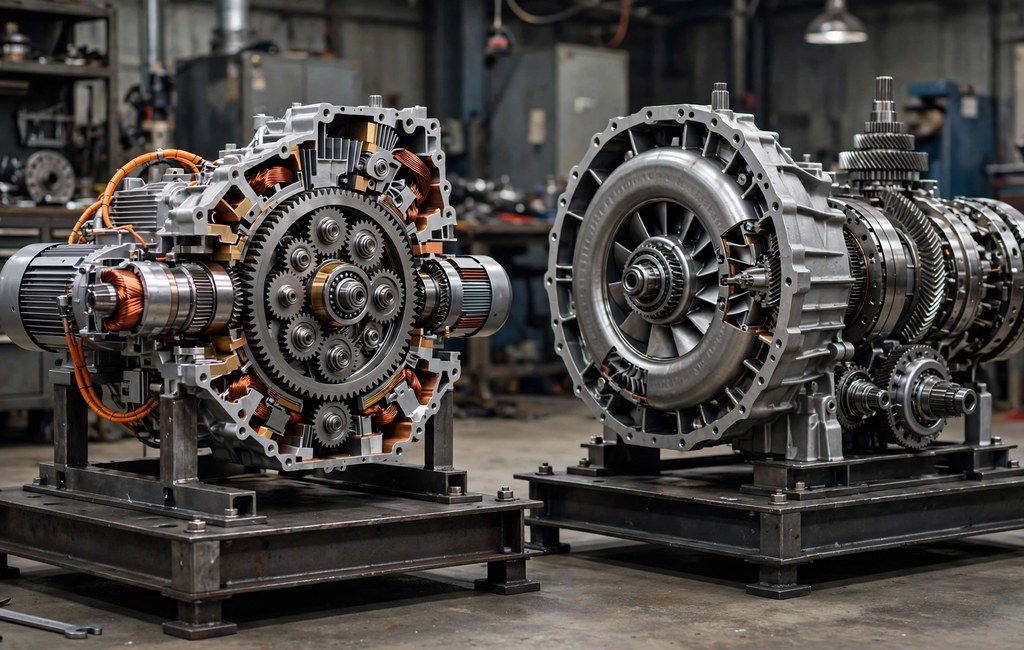
Unlike stepped automatics, the power-split device blends engine and motor output continuously. Consequently, the engine may hold high revs while speed builds slowly. Instead, the controller picks the most efficient speed for each demand. Hybrid cars start their engine automatically when charge drops.
Next, a hill, hard acceleration, or low battery triggers higher revs. Then, the engine supplies driving power and charging power at once. As a result, revs jump even though road speed changes little.
Also, the engine may run briefly to reach its operating temperature. Meanwhile, warm coolant supports cabin heating and cleaner, smoother combustion overall. Consequently, short rev bursts at startup usually reflect normal warm-up.
What Causes eCVT Engine Droning in Hybrid Cars?
During acceleration, the eCVT holds the engine near its efficient zone. Therefore, the engine sounds flat and constant while speed keeps rising. In contrast, a stepped automatic rises, drops, and rises again repeatedly. Hybrid cars rest their engine at every red light.
- Hard acceleration: It holds engine speed high while the motors fill torque gaps.
- Hill climbing: It keeps revs steady because the system needs sustained power output.
- Battery charging: It runs the engine at a fixed efficient speed for charging.
However, this droning stays smooth and fades after you ease off. Meanwhile, the motors quietly add torque beneath the engine note. Overall, steady droning without vibration usually signals normal eCVT operation.
For example, your ears expect revs to climb with road speed. Instead, the eCVT separates engine speed from wheel speed completely. As a result, acceleration feels smooth, yet the soundtrack seems mismatched.
Why Hybrid Cars Make Engine Humming Noises
First, the inverter converts battery power for the electric motor rapidly. As a result, its switching creates a faint high-pitched whine. Similarly, the motor itself hums as its speed rises and falls.
Next, electric coolant pumps circulate fluid even after the engine stops. Also, cooling fans cycle on to protect the battery and inverter. Therefore, you may hear whirring while parked or creeping slowly. Hybrid cars run their engine to warm the cabin.
In addition, a speaker plays a warning sound at low speed. Specifically, that artificial hum alerts pedestrians because electric driving stays nearly silent. Then, the sound fades once tire and wind noise grow louder.
Also, regenerative braking adds a soft whine during gentle deceleration. Indeed, the motor reverses roles and sends energy back to the battery. Therefore, pitch falls gradually as the car slows toward stopping.
When Unusual Engine Sounds Indicate a Mechanical Problem
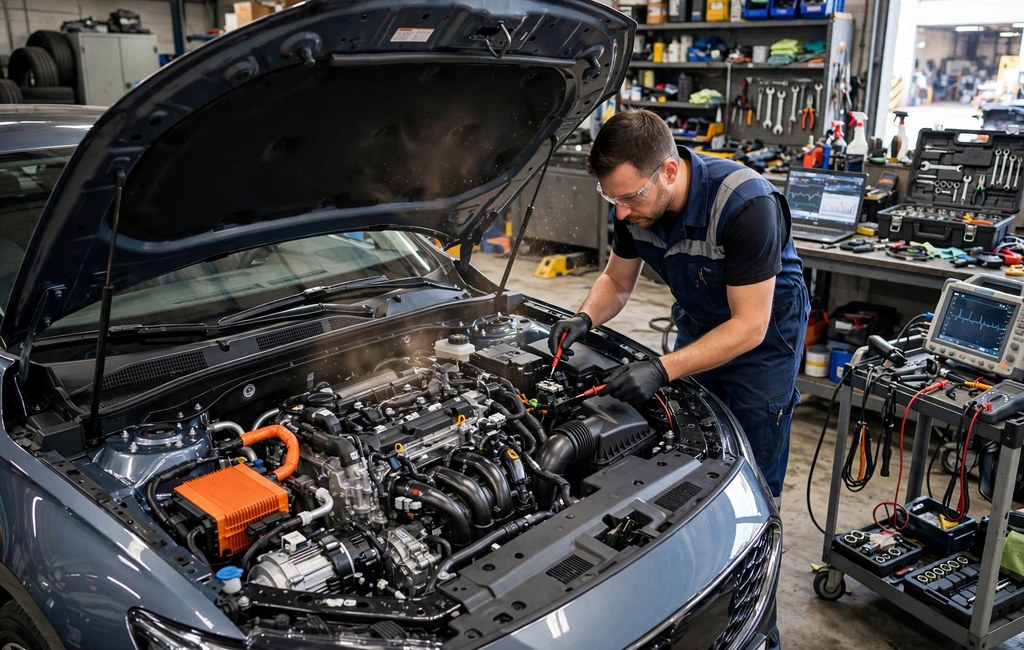
However, grinding differs sharply from every normal hybrid sound described above. For example, grinding often points to worn bearings or damaged gears. Similarly, knocking suggests the engine burns fuel poorly or suffers wear.
In contrast, rhythmic ticking, rattling, or scraping deserves prompt attention too. Indeed, these sounds often grow louder as load or speed rises. Consequently, a new harsh sound rarely fixes itself over time. Hybrid cars blend engine power with motor torque seamlessly.
Meanwhile, erratic buzzing or squealing from the inverter area signals trouble. For instance, failing pumps or electrical faults can create that noise. Still, only testing confirms the exact cause before damage spreads.
Similarly, a sound that changes suddenly deserves more concern than before. For example, stable hums rarely indicate damage, unlike growing harsh noises. In contrast, loud banging under load signals an urgent problem.
In fact, fluid leaks sometimes accompany abnormal transmission or cooling noises. However, puddles plus noise together strengthen the case for inspection. Consequently, check your parking spot after hearing any new sound. Hybrid cars hide engine restarts behind smooth transitions.
Engine Warning Signs in Hybrid Cars to Recognize
First, note when the noise starts and how it changes. Next, check whether lights, smells, or vibration appear with it. Finally, compare today’s sound against the car’s usual pattern carefully.
- Warning lights: They appear with noise when the system detects a fault.
- Power loss: Meanwhile, power drops noticeably while loud whining grows steadily worse.
- Burning smells: In addition, burning smells accompany noises and suggest overheating damage.
- Vibration or jerking: Similarly, vibration shakes the cabin while strange sounds keep repeating.
For instance, test the sound in a quiet parking area first. Then, switch driving modes and note whether the noise changes accordingly. Still, avoid opening high-voltage components or ignoring repeated warning messages.
Also, record a short audio clip before your appointment when safe. In addition, note outside temperature, because cold starts change hybrid sounds. Overall, clear notes help technicians separate normal patterns from faults.
Therefore, book an inspection whenever a harsh noise persists or worsens. However, describe the speed, temperature, and driving mode during each occurrence. As a result, technicians trace the source faster and more accurately.
Frequently Asked Questions
Why does my hybrid engine rev when I am not accelerating?
Often, the engine revs because the battery needs charging power.
Is eCVT droning during acceleration normal?
Yes, the eCVT holds steady revs because it prioritizes efficient power delivery.
Why does my hybrid hum at low speed?
At low speed, a speaker warns pedestrians while the motors run quietly.
Why does the engine start when the car is parked?
Sometimes, the engine starts because the battery or cabin needs energy.
When should I worry about a hybrid noise?
Book an inspection when grinding, knocking, or warning lights accompany the noise.
Conclusion
In short, most hybrid noises reflect smart power management, not failure. However, learn each normal sound so abnormal ones stand out clearly. Therefore, monitor changes carefully and schedule inspection whenever something seems wrong.
Next, listen closely during your next calm, low-speed drive today. Then, note any grinding, knocking, or dashboard warnings you encounter. Finally, book a prompt inspection and share those notes confidently.

Thomas Walker is an accomplished writer with expertise in the basics of car accessories. With a keen eye for detail, Thomas has established himself as an authority on the subject, with a passion for all things automotive. Based in Jasper, Thomas is dedicated to providing readers with the information they need to make informed decisions when it comes to their car accessories.