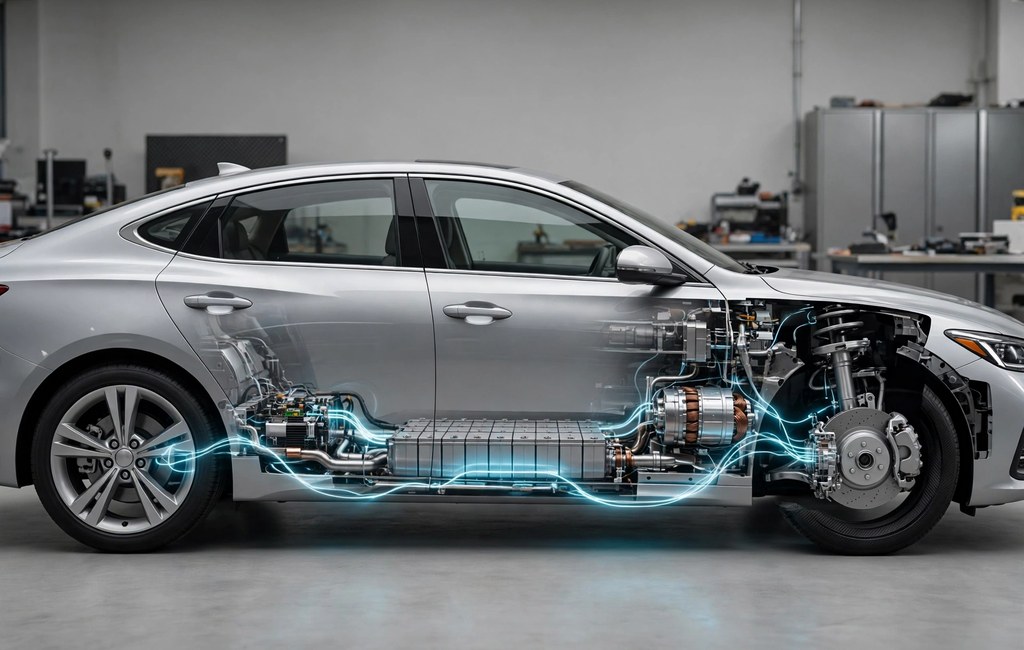
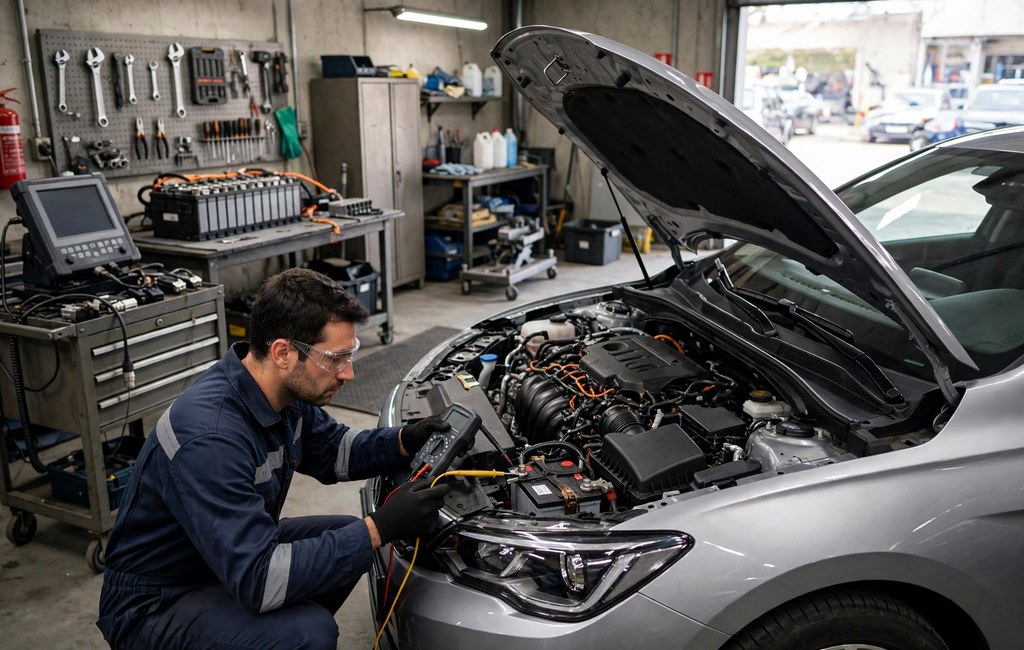
A hybrid car won’t start when its auxiliary 12V battery or READY checks fail. Most often, a weak 12V battery stops the computers from waking properly. However, understanding how an automatic hybrid car starts helps you triage symptoms calmly.
First, look for the READY light after pressing the brake firmly. Then, note whether dashboard lights, locks, and screens respond normally. Meanwhile, a missing READY light points toward electrical or authorization faults.
Therefore, start with simple checks before assuming hybrid battery failure. Also, record every warning message because that detail guides later diagnosis. In short, careful observation often reveals the likely cause quickly.
Why a Hybrid Car May Not Enter READY Mode
Unlike conventional cars, hybrids do not crank an engine immediately. Instead, control units run safety checks before connecting high-voltage power. Then, relays close only after every critical check passes successfully.
First, the system confirms the brake pedal is pressed firmly. Next, it verifies Park selection and key authorization carefully. Finally, it checks battery voltage and hybrid system health. A hybrid car won’t start when its 12V battery fades.
When one check fails, the car deliberately withholds READY mode. Consequently, the gasoline engine stays silent despite dashboard activity. However, that silence protects occupants and prevents further electrical damage.
- No READY light: It signals a failed startup check somewhere.
- Dim dashboard display: It often suggests low 12V voltage.
- Key not detected message: It points toward fob authorization problems.
- Hybrid warning message: It indicates a protected high-voltage fault.
Why a Weak 12V Battery Leaves a Hybrid Car Unable to Start
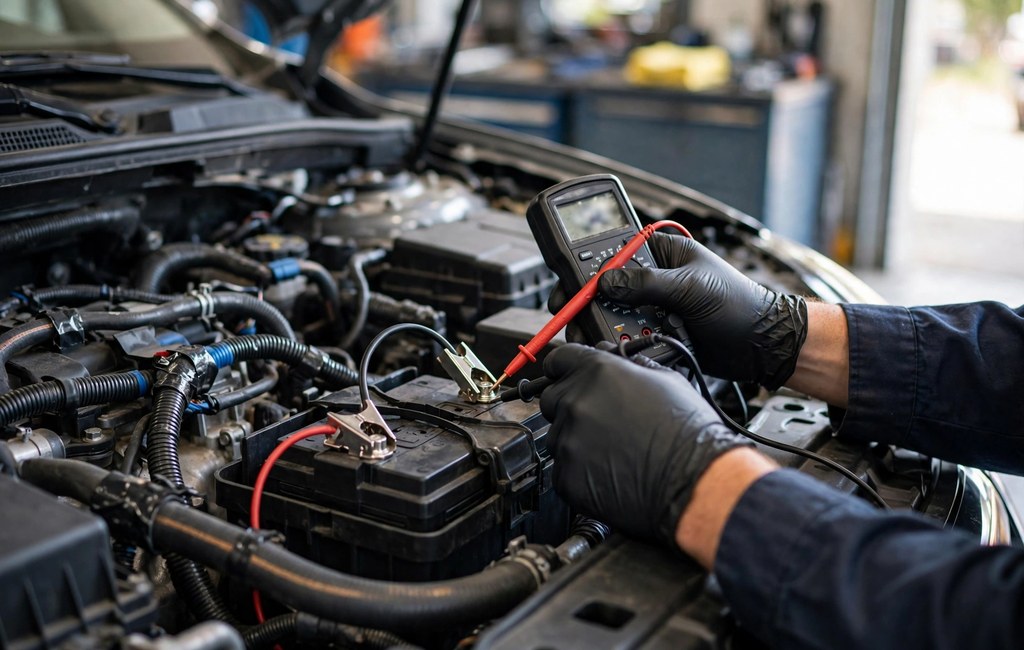
Specifically, the small 12V battery wakes computers and dashboard systems. Also, it powers relays that connect the hybrid battery safely. Therefore, weak voltage can block startup before propulsion begins.
For example, lights may work while computers still lack stable voltage. Similarly, locks may respond slowly or behave inconsistently sometimes. Indeed, accessories need less power than startup control systems. A hybrid car won’t start after sitting unused for weeks.
Before any check, follow the owner’s manual exactly always. Also, use only the designated jump terminals where provided. Otherwise, incorrect connections can damage sensitive hybrid electronics quickly.
Meanwhile, repeated jump starts suggest the 12V battery needs testing. Then, a technician can test voltage under controlled conditions. As a result, replacement decisions rest on measurements, not guesses.
Can a Dead Hybrid Battery Prevent Starting?
In contrast, the high-voltage battery actually spins the engine initially. Specifically, a motor-generator uses pack power to start combustion smoothly. Therefore, a severely faulted pack can prevent starting entirely. A hybrid car won’t start if the key fob battery dies.
However, an empty driving range display rarely means total failure. Instead, control software normally protects a minimum pack charge carefully. Still, internal faults differ greatly from ordinary low charge.
Notably, orange cabling marks high-voltage components for qualified technicians only. Owners must never open, cut, or probe those components. Instead, leave every high-voltage inspection to trained workshop specialists.
For instance, weak cells can trigger protective shutdown before starting. Similarly, overheating or isolation faults can block relay closure. Consequently, only specialized testing can confirm true pack failure.
How Key Fob Problems Stop a Hybrid Car From Starting
When the car cannot verify its key, authorization stops immediately. Specifically, the immobilizer blocks READY mode until identity checks pass. Therefore, dashboard power alone never proves key recognition succeeded. A hybrid car won’t start when a safety interlock trips.
First, try holding the fob close to the start button. Next, try the spare fob if one is available. Also, replace a weak fob battery before deeper diagnosis.
Meanwhile, messages about undetected keys strengthen the authorization clue strongly. In contrast, a silent fob may indicate simple battery depletion. However, persistent failures can involve antennas or receiver modules.
What Hybrid System Warning Lights Mean
Overall, warning lights report which system blocked startup first. For example, a hybrid system warning usually demands professional attention. Similarly, a master warning signals a stored protective fault.
- Check engine light: It may accompany faults blocking READY mode.
- 12V warning signs: They often appear alongside dim electrical behavior.
- Hybrid system message: It requires stopping further start attempts promptly.
Still, lights alone rarely identify the exact failed component. Instead, technicians read stored codes and live system data. Then, they compare symptoms against voltage and communication tests. A hybrid car won’t start until the brake pedal registers.
When Professional Diagnosis Is Necessary
If simple checks fail, professional diagnosis becomes necessary promptly. Specifically, workshops use hybrid-rated scanners and insulated safety equipment. Therefore, they can test high-voltage systems without owner risk.
Also, stop repeated starting attempts when warnings persist stubbornly. Meanwhile, repeated attempts can drain the 12V battery further. As a result, a simple fault can become harder to diagnose.
Before booking, note the READY light and warning messages carefully. Also, record fob behavior and recent battery symptoms accurately. Finally, share whether lights, locks, and screens worked normally.
Frequently Asked Questions
Why does my hybrid show lights but no READY?
However, lights can work while weak 12V voltage blocks computers.
Can a hybrid start with a dead 12V battery?
No, because the 12V battery wakes computers and closes relays first.
Can a dead hybrid battery prevent starting completely?
Yes, because a severely faulted pack cannot spin the motor-generator.
What should I do if my key fob is not detected?
First, hold the fob near the start button and try again.
Is it safe to jump-start a hybrid car myself?
Yes, when you follow the manual and use designated terminals exactly.
Conclusion
In short, start with the READY light and observed symptoms. Then, check the 12V battery and key recognition first. Therefore, simple triage often separates minor faults from serious ones.
However, never investigate orange high-voltage cabling yourself at home. Instead, book a professional inspection whenever hybrid warnings persist. Finally, act today and arrange diagnosis before another failed start.
Also, keep notes about every symptom for the workshop visit. Meanwhile, clear notes help technicians reproduce the fault more quickly. Overall, careful triage protects both your time and vehicle.

Thomas Walker is an accomplished writer with expertise in the basics of car accessories. With a keen eye for detail, Thomas has established himself as an authority on the subject, with a passion for all things automotive. Based in Jasper, Thomas is dedicated to providing readers with the information they need to make informed decisions when it comes to their car accessories.