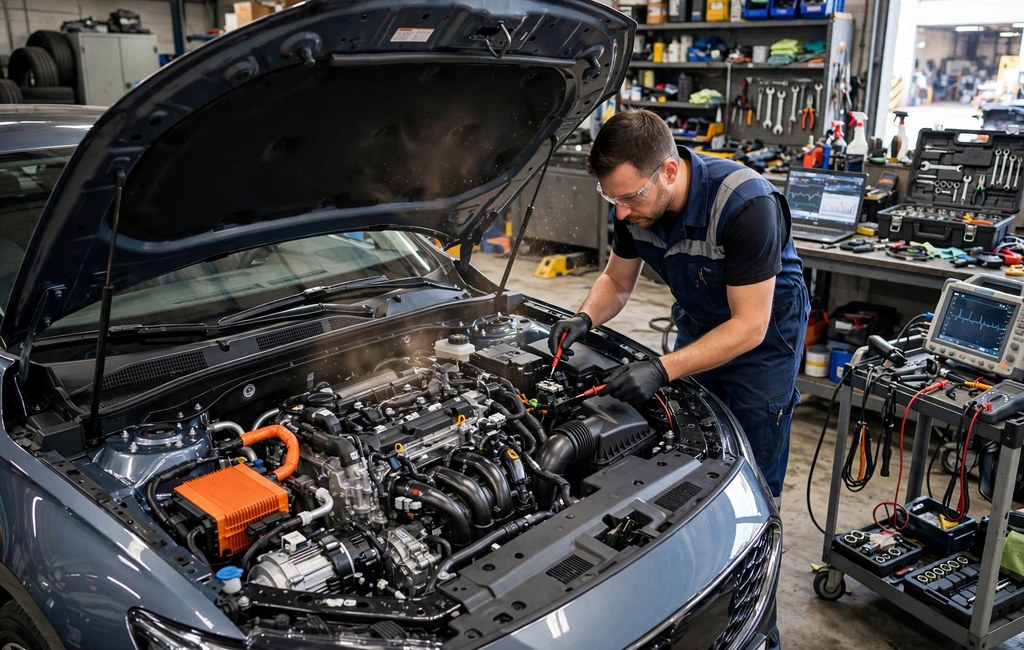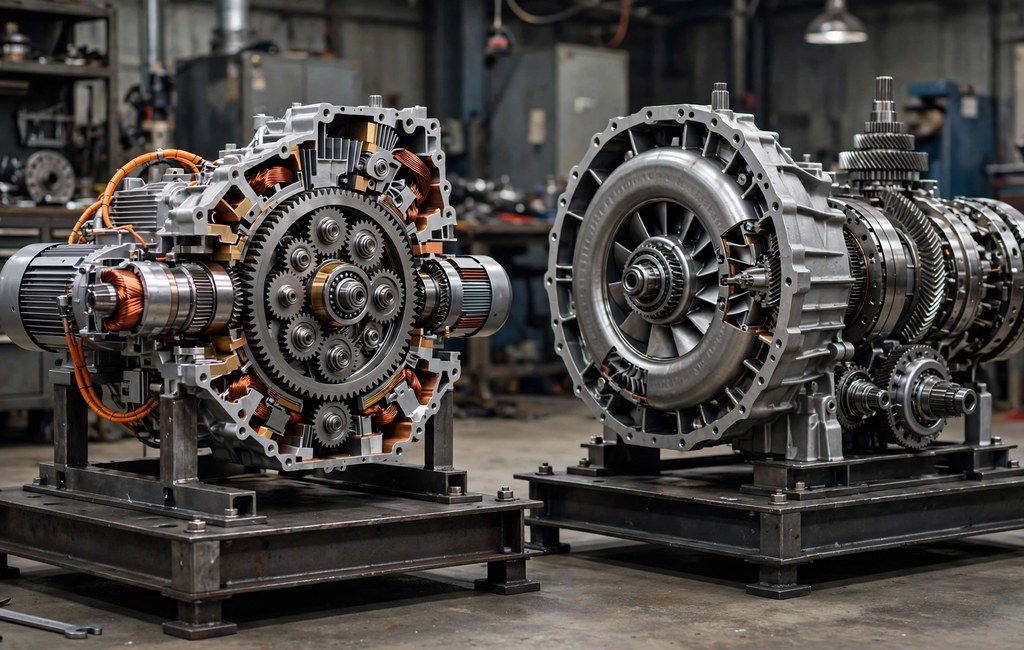
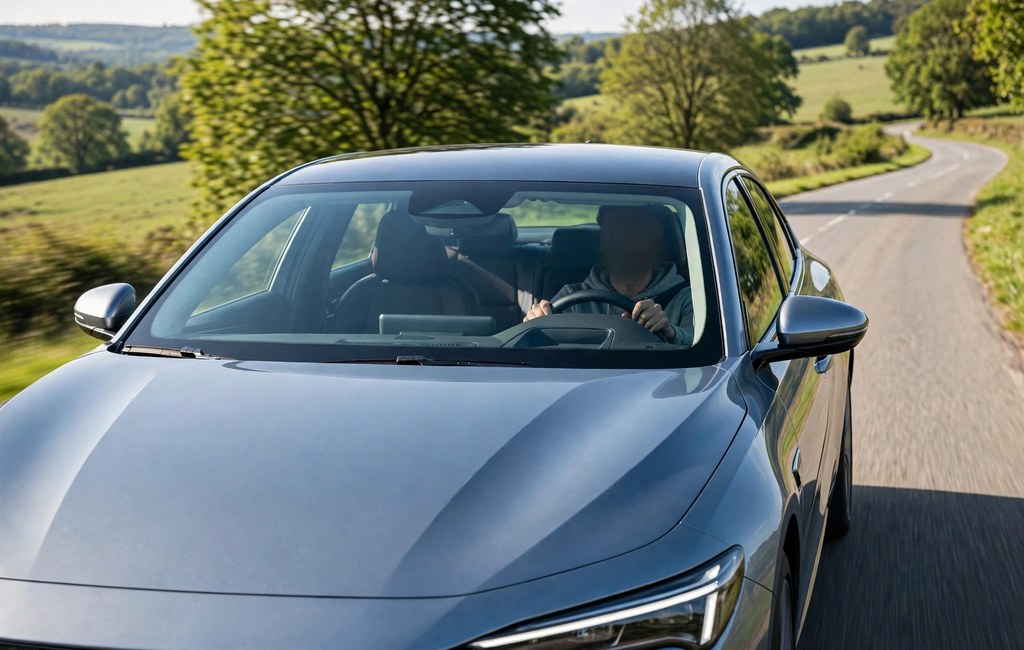
You can improve hybrid fuel economy mainly through smoother driving and simple upkeep habits. Gentle acceleration, early braking, and correct tire pressure usually deliver the biggest gains. Therefore, small daily changes often outperform any single modification.
However, many owners unknowingly waste fuel through habits borrowed from conventional cars. For example, hard launches force the engine to work when the motor could help. Instead, this playbook covers one practical technique per section. Then, you can apply each technique on your very next drive.
Also, basic maintenance quietly supports every driving technique in this guide. Meanwhile, your dashboard display gives instant feedback on each habit change.
Accelerate Smoothly to Protect Hybrid Fuel Economy
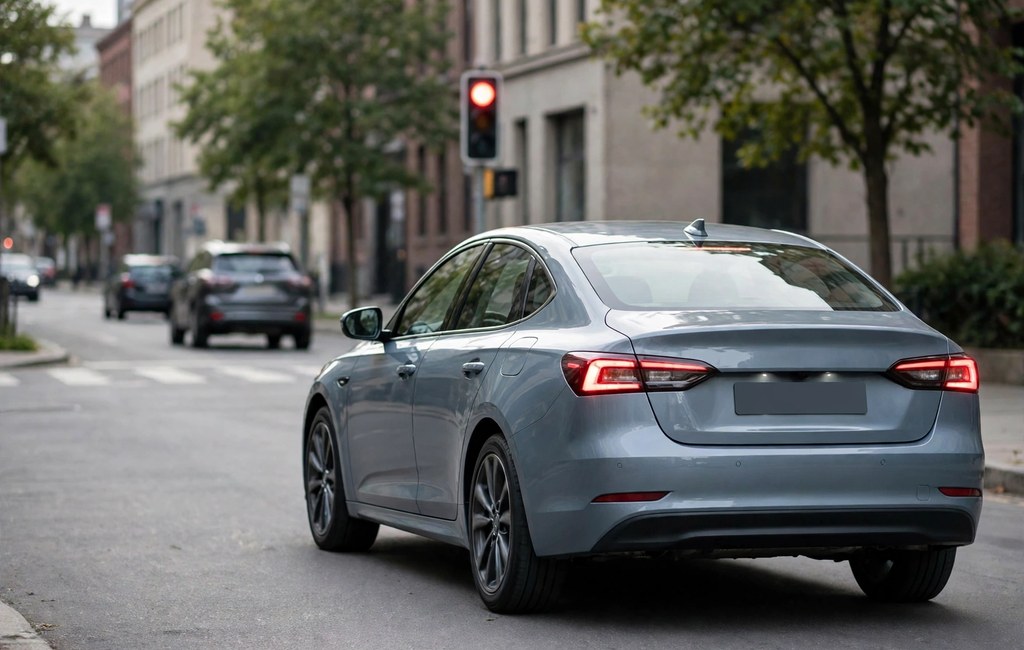
First, every automatic hybrid car blends engine power and motor power automatically. Therefore, gentle throttle input lets the electric motor handle more low-speed work. However, a hard launch forces the engine to spin up immediately. As a result, the car burns extra fuel during every aggressive start. Small habits protect hybrid fuel economy on every trip.
Next, look far ahead and read traffic flow early. Then, ease off the accelerator before you actually need to slow. Similarly, steady cruising speeds keep the powertrain in its efficient zone. In contrast, repeated speed swings waste energy with every surge.
- Gentle launches: Press the accelerator progressively and let electric torque start the car moving.
- Early lift-off: Release the accelerator sooner when traffic ahead begins slowing down.
- Steady cruising: Hold one comfortable speed instead of chasing every small gap.
Use Regenerative Braking for Better Hybrid Fuel Economy
Regenerative braking turns the electric motor into a generator during deceleration. Consequently, the system converts motion into electricity and stores it in the battery. Then, the stored energy later helps power the wheels again.
However, hard braking overwhelms the regenerative system very quickly. Instead, the friction brakes then grab and waste energy as heat. Therefore, brake early and lightly whenever traffic allows. For example, coast toward red lights rather than rushing toward them.
- Anticipate stops: Watch several cars ahead and begin slowing much earlier.
- Light pedal pressure: Keep braking gentle so regeneration handles most deceleration work.
- Downhill control: Use stronger regeneration settings on long descents where available.
Maintain Tire Pressure for Hybrid Fuel Economy
Also, underinflated tires flex more and create extra rolling resistance. As a result, the engine and motor both work harder constantly. Meanwhile, correct pressure keeps the tire rolling smoothly and efficiently. Cold weather lowers hybrid fuel economy noticeably each winter.
First, check pressure monthly with a simple handheld gauge. Next, compare readings against the placard inside the driver door frame. Then, inflate cold tires before driving warms them up. Finally, recheck pressure whenever seasons change and temperatures swing.
In addition, choose low rolling resistance tires at replacement time. Also, rotate tires on schedule so wear stays even. Consequently, the car rolls freely and maintains alignment longer.
- Cold checks: Measure pressure before driving, because warm tires read artificially high.
- Recommended level: Follow the door placard, not the maximum printed on tires.
Reduce Unnecessary Vehicle Weight
In fact, extra weight forces the powertrain to spend more energy accelerating. Therefore, heavy cargo quietly lowers fuel economy on every trip. However, most drivers carry forgotten items for months without noticing. Steady speeds help hybrid fuel economy on highways too.
First, empty the trunk and remove anything you rarely use. Next, take off roof boxes and racks between trips. Similarly, keep only genuine essentials inside the cabin.
- Trunk audit: Remove tools, sports gear, and bags you no longer need daily.
- Roof gear: Remove empty carriers promptly, because they add weight and drag.
- Seasonal gear: Store bulky seasonal items at home after each season ends.
Avoid Excessive Idling and Aggressive Driving
A hybrid engine sometimes runs while the car stands still. Specifically, it may charge the battery or provide cabin heat. Therefore, the car already manages stationary running on its own. Indeed, you never need to switch it off at lights.
Instead, avoid needless stationary running during longer waits. For example, skip long warm-up idling before short neighborhood trips. Also, combine several short errands into one longer outing. Consequently, the engine warms once and stays efficient longer.
Meanwhile, aggressive driving wastes fuel far beyond any idling concern. For instance, jackrabbit starts and late braking erase hybrid advantages quickly. In contrast, calm pacing keeps electric assistance available much longer. Drivers track hybrid fuel economy through the dashboard display.
Monitor Real-World Hybrid Fuel Economy
Notably, your dashboard display shows energy flow and current consumption live. Therefore, watch it while testing each new driving habit. Then, note which habits keep the engine off longest.
Also, track consumption across several full tanks for accuracy. However, single trips mislead because weather and traffic vary daily. Instead, compare weekly averages before judging any habit change. Over time, consistent records reveal your most effective techniques.
Meanwhile, compare your results against the official economy rating realistically. In fact, traffic, terrain, and temperature shift real-world results noticeably.
- Trip log: Record consumption after each fill-up and note driving conditions.
- Eco mode: Use efficiency modes because they soften throttle response noticeably.
Frequently Asked Questions
What is the easiest way to improve hybrid fuel economy?
Overall, smooth acceleration and gentle early braking deliver the largest immediate gains.
Does regenerative braking really save fuel?
Yes, it recovers braking energy and then stores it for later electric assistance.
How often should I check my hybrid tire pressure?
Check pressure monthly and also before every longer road trip.
Should I turn off my hybrid at red lights?
No, the car stops its engine automatically when stopping saves fuel.
Does extra weight really affect hybrid fuel economy?
Yes, heavier loads force the powertrain to work harder during acceleration.
Conclusion
In short, hybrid economy rewards calm inputs and basic upkeep. First, apply gentle acceleration and early braking on your next drive. Then, check tire pressure and clear out unnecessary cargo. Finally, track your results weekly and keep the habits that work.

Thomas Walker is an accomplished writer with expertise in the basics of car accessories. With a keen eye for detail, Thomas has established himself as an authority on the subject, with a passion for all things automotive. Based in Jasper, Thomas is dedicated to providing readers with the information they need to make informed decisions when it comes to their car accessories.