

Cold weather white smoke appears on winter mornings as harmless condensation, not engine damage. Cold air turns invisible water vapor from combustion into visible steam at the tailpipe. Therefore drivers notice thicker white puffs on frosty mornings than on warm days.
Freezing air holds less warmth, so hot exhaust gases cool rapidly after leaving the engine. Cold mornings are one of the most common triggers behind white smoke from exhaust, and here’s the science behind it. Meanwhile the science stays simple, and drivers can learn the normal pattern quickly. First, watch how fast the vapor fades once driving begins.
How Cold Weather White Smoke Becomes Visible
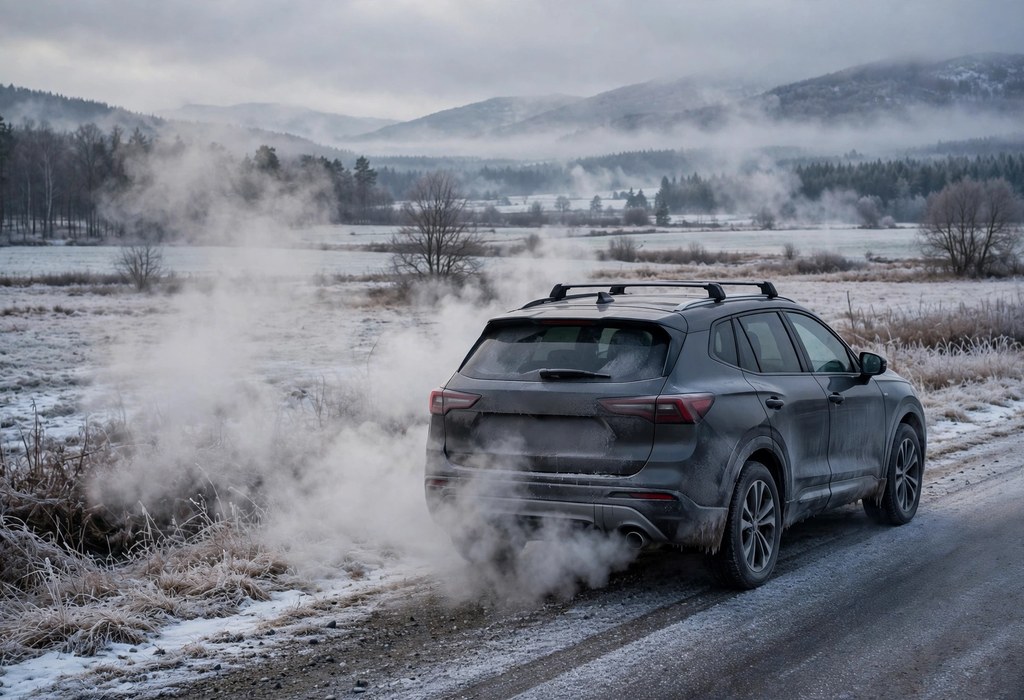
Every gasoline engine releases water vapor alongside carbon dioxide during normal combustion. Hot exhaust gases carry that vapor through the manifold, catalytic converter, muffler, and tailpipe. Additionally, cold surfaces chill the gases quickly, and chilled vapor condenses into tiny visible droplets.
Freezing outside air amplifies this effect after vapor leaves the tailpipe. Warm moist exhaust meets freezing air, so vapor condenses again in plain sight. Drivers often compare this plume to breath fogging on a frosty morning.
Why Combustion Creates Cold Weather White Smoke
Fuel contains hydrogen, and burning hydrogen with oxygen creates water as a byproduct. Engines therefore release a steady stream of invisible vapor during every drive. Warm weather hides this vapor because warm air keeps droplets from condensing visibly.
Why Cold Weather Reveals White Smoke
Overnight cold soaks the exhaust system, pipes, and muffler in low temperatures. Startup sends hot gases into that cold metal, and moisture condenses inside immediately. Also, tailpipe drips of clear water often accompany this harmless morning vapor.
The Dew Point Explains Morning Visibility
Dew point marks the temperature where air reaches saturation and vapor condenses. Moreover, cold air reaches its dew point easily, so exhaust vapor condenses sooner. Warm air holds more vapor invisibly, therefore summer exhaust looks clearer.
How Long Cold Weather White Smoke Should Last
Normal cold weather white exhaust smoke fades fast once the engine warms up. Most cars clear thin vapor within one to three minutes of gentle driving. However, full warm-up often takes five to ten minutes on very cold mornings.
Next, watch the temperature gauge climb, and expect vapor to thin as heat builds. Thin vapor that vanishes and stays gone signals normal condensation, not trouble. Persistent vapor after a long drive deserves closer attention, as later sections explain.
The Cold Weather White Smoke Warm-Up Timeline
First, startup pushes trapped moisture out as a light white puff. Next, exhaust metal warms, and the plume thins steadily during early driving. Finally, a fully warm exhaust system keeps vapor invisible under normal conditions.
Why Short Trips Stretch Cold Weather White Smoke
Short trips prevent the muffler and pipes from reaching full operating temperature. Moisture therefore accumulates inside the system trip after trip. Subsequent cold starts then release more vapor, even though nothing malfunctions.
Humidity And Overnight Parking Matter
Overnight parking exposes the exhaust system to falling temperatures and damp air. Additionally, rain, snow, and fog increase moisture around the tailpipe and inside pipes. Garaged cars often show less vapor, since shelter moderates overnight cooling.
Winter Conditions That Make Cold Weather White Smoke Look Worse
Freezing temperatures, high humidity, and calm air all increase visible vapor. Learning what counts as normal or warning sign helps drivers stay calm on frosty mornings. Damp mornings also add moisture to intake air, and exhaust vapor grows denser.
Idling in a driveway prolongs the cold phase, so vapor lingers longer there. Gentle driving warms the system faster than extended idling, in most cases. Wind can disperse vapor quickly, while still air lets plumes hang visibly.
Freezing Temperatures, Humidity, And Frost
Below freezing, exhaust vapor can freeze into tiny ice crystals near the tailpipe. Meanwhile, frost inside the exhaust melts at startup, and steam joins combustion vapor. Consequently, the coldest mornings often produce the most dramatic white clouds.
Diesel Engines And Cold Weather White Smoke
Diesel engines rely on compression heat, not spark plugs, for ignition. Cold cylinders absorb compression heat, so some fuel burns incompletely at startup. Consequently, unburned fuel then exits as white vapor, and working glow plugs reduce this effect.
Why Idling And Stop-And-Go Traffic Matter
Stop-and-go traffic keeps exhaust temperatures lower than steady highway driving. Frequent stops therefore extend visible vapor on cold winter commutes. Finally, steady driving eventually heats the system, and vapor fades accordingly.
Warning Signs That Separate Cold Weather White Smoke From A Leak
Coolant leaks create thick white smoke that persists after full warm-up. Drivers who learn to diagnose it at home correctly avoid unnecessary panic and costly delays. A failing head gasket, cracked cylinder head, or cracked block often allows this leak.
Burning coolant smells sweet, unlike odorless or mildly acrid condensation vapor. Coolant loss without visible puddles also points toward internal leakage. Thick smoke under acceleration, rough idling, or overheating strengthens that suspicion.
Check Thickness, Duration, And Smell
Compare each cold morning plume against the normal thin, wispy pattern. Thick clouds that hang in the air and refuse to fade signal trouble. Sweet exhaust odor after warm-up demands prompt professional inspection.
Check Coolant, Temperature, And Oil
Check the coolant reservoir when the engine cools completely. Moreover, falling levels, bubbling coolant, or a climbing temperature gauge warn drivers early. Milky residue under the oil cap or on the dipstick likewise indicates coolant contamination.
Why Cold Weather Can Mask A Leak
Winter vapor can hide early coolant smoke, so drivers must check other clues. Coolant smoke also thins in cold air, therefore appearance alone misleads drivers. Finally, track coolant levels weekly during winter, even when vapor looks normal.
What To Do About Cold Weather White Smoke On A Cold Morning
Start the engine, wait briefly, and drive gently until heat builds. Avoid long idling, since driving warms exhaust parts more efficiently. Also, monitor the plume in the mirror during the first few minutes.
Schedule inspection promptly if vapor persists after twenty minutes of driving. Note coolant levels, smells, and gauge readings before visiting a mechanic. Clear notes help mechanics pinpoint leaks faster and prevent engine damage.
Winter Checks That Prevent Surprises
Inspect coolant level, hoses, and the reservoir cap before deep winter arrives. A healthy thermostat also helps the engine reach operating temperature promptly. Prompt repairs protect the head gasket, engine block, and catalytic converter.
Frequently Asked Questions
Why Does My Car Smoke White Only In Winter?
Cold air condenses combustion vapor visibly, while warm air hides it.
How Long Should White Smoke Last On A Cold Morning?
Thin vapor normally clears within a few minutes of gentle driving.
Does White Smoke Always Mean A Coolant Leak?
No, brief thin vapor signals condensation, not a coolant leak.
What Does Sweet-Smelling White Smoke Mean?
Sweet-smelling smoke often indicates burning coolant inside the engine.
Should I Drive With Persistent White Smoke In Winter?
Stop driving and seek inspection if thick smoke persists after warm-up.
Conclusion
Cold weather white exhaust smoke usually brings harmless condensation, not danger. Overall, watch duration, thickness, smell, coolant level, and temperature gauge together. Book a professional inspection today if thick vapor persists after warm-up.
Watch for cold weather white smoke every frosty morning before you drive. This cold weather white smoke guide helps you tell vapor from a leak.

Thomas Walker is an accomplished writer with expertise in the basics of car accessories. With a keen eye for detail, Thomas has established himself as an authority on the subject, with a passion for all things automotive. Based in Jasper, Thomas is dedicated to providing readers with the information they need to make informed decisions when it comes to their car accessories.