Ceramic coatings have changed the way car owners protect their vehicles. They offer a hard, glossy layer that resists dirt, water, and minor scratches. However, maintaining that coating requires the right tools. One of the most important tools is the polishing pad. Choosing the wrong pad can damage your ceramic coating. Therefore, understanding the different types and their uses is essential for every car enthusiast.
This guide will walk you through everything you need to know. You will learn about pad materials, foam densities, and matching pads to specific tasks. Additionally, you will discover how to protect your ceramic coating during the polishing process. By the end, you will feel confident choosing the right pad every time.
Why Polishing Pad Selection Matters for Ceramic Coatings
Ceramic coatings are thin but tough. They typically measure between 1 and 5 microns thick. Despite their hardness, they can still be damaged by the wrong polishing pad. An overly aggressive pad can cause swirl marks, micro-scratches, or even strip the coating entirely.
Furthermore, not all polishing tasks are the same. Sometimes you need to remove light contamination. Other times you want to restore gloss or apply a maintenance product. Each task calls for a different type of pad. Therefore, a one-size-fits-all approach simply does not work when dealing with ceramic coatings.
Using the correct pad also saves you money. The right pad does the job efficiently. It reduces the risk of having to reapply the ceramic coating, which can be expensive. So, spending a little time on pad selection is always worth the effort.
Understanding the Different Types of Polishing Pads
Polishing pads come in several types. Each type is designed for a specific purpose. Knowing the differences helps you make a smarter choice.
Foam Polishing Pads
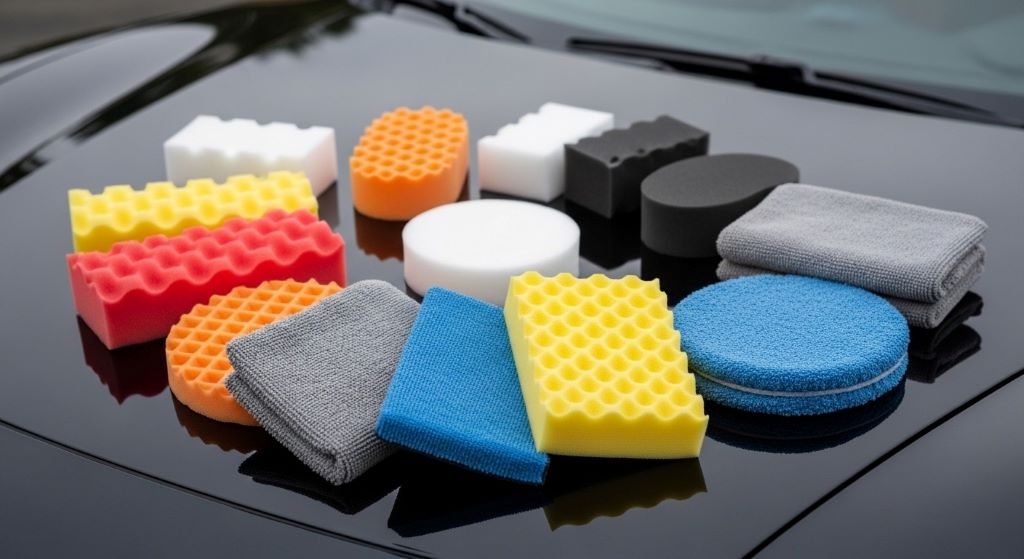
Foam pads are the most popular choice for ceramic-coated vehicles. They come in varying densities, from soft to firm. Softer foam pads are ideal for applying finishing products or ceramic coating boosters. They spread product evenly and gently across the surface.
Firmer foam pads, on the other hand, are suited for light polishing. They can remove minor surface defects without being too harsh. However, you should avoid very stiff foam pads on ceramic coatings, as they may generate too much heat and friction.
Microfiber Polishing Pads
Microfiber pads are more aggressive than foam pads. They are excellent for cutting through heavier defects like oxidation or deep swirl marks. However, they require careful use on ceramic coatings. If the coating is new or in good condition, a microfiber pad may be too aggressive.
That said, microfiber pads are useful when you need to polish the clear coat before applying a new ceramic coating. In that case, they help create a smooth, clean base. Additionally, they tend to work faster than foam pads, which can save time during a full correction job.
Wool and Hybrid Pads
Wool pads are the most aggressive option. They are rarely used on ceramic-coated vehicles. However, hybrid pads that combine foam and microfiber layers offer a balanced approach. They cut well but finish more gently. These can be a good option for moderate paint correction before recoating.
How Pad Color Coding Works
Many pad manufacturers use a color-coding system. While it is not universal, it provides a helpful general guide. Understanding this system can speed up your decision-making process.
Here is a common color-coding breakdown used across major brands:
- White or cream pads are the softest. They are typically used for finishing and glazing. These are perfect for final steps on a ceramic-coated vehicle.
- Orange or yellow pads offer a medium cut. They work well for light polishing and defect removal on healthy coatings.
- Blue or green pads are firmer and more aggressive. They suit moderate paint correction jobs.
- Black pads are often the firmest foam option. They are usually reserved for heavy compounding.
Always check the specific manufacturer guide. Color meanings can differ between brands. Therefore, never assume based on color alone.
Matching the Pad to Your Polishing Goal
Before picking a pad, you need to know your goal. Are you maintaining an existing ceramic coating? Are you doing light correction? Or are you preparing a surface for a new coating? Each goal requires a different approach.
Maintaining an Existing Ceramic Coating
For routine maintenance, use a soft foam pad. Pair it with a ceramic coating topper or detailing spray. This removes light contamination and restores gloss. Additionally, it adds a thin protective layer on top of the existing coating. No heavy cutting is needed, so a finishing pad is the ideal choice here.
Light Correction on a Coated Surface
Sometimes a ceramic-coated car picks up light swirl marks or minor scratches. In this case, a medium-density foam pad works well. Use it with a light polish or fine compound. Work slowly and use low machine speed settings. This approach corrects the defect without stripping the full coating.
Surface Preparation Before Recoating
If the ceramic coating has failed or you plan to apply a fresh one, you need more correction. A microfiber pad or a firmer foam pad can help level the surface. Start with light to medium correction and work up only if needed. The goal is a clean, smooth, and defect-free paint surface ready to bond with the new coating.
Pad Size and Machine Compatibility
Pad size matters as much as pad type. Most dual-action polishers use 5- or 6-inch pads. Rotary polishers can handle larger pads. However, for ceramic-coated vehicles, dual-action machines are generally safer. They reduce the risk of heat build-up, which can harm the coating.
Smaller pads, such as 3-inch spot pads, are useful for tight areas like bumpers and door handles. They offer better control in hard-to-reach spots. Furthermore, smaller pads heat up faster, so keep the machine speed low when using them on ceramic-coated surfaces.
Always check that your pad fits securely on your polisher backing plate. A pad that wobbles or slips can create uneven pressure. This leads to inconsistent results and potential surface damage.
Key Features to Look for in a Quality Polishing Pad
Not all pads are created equal. When shopping for polishing pads, keep these features in mind:
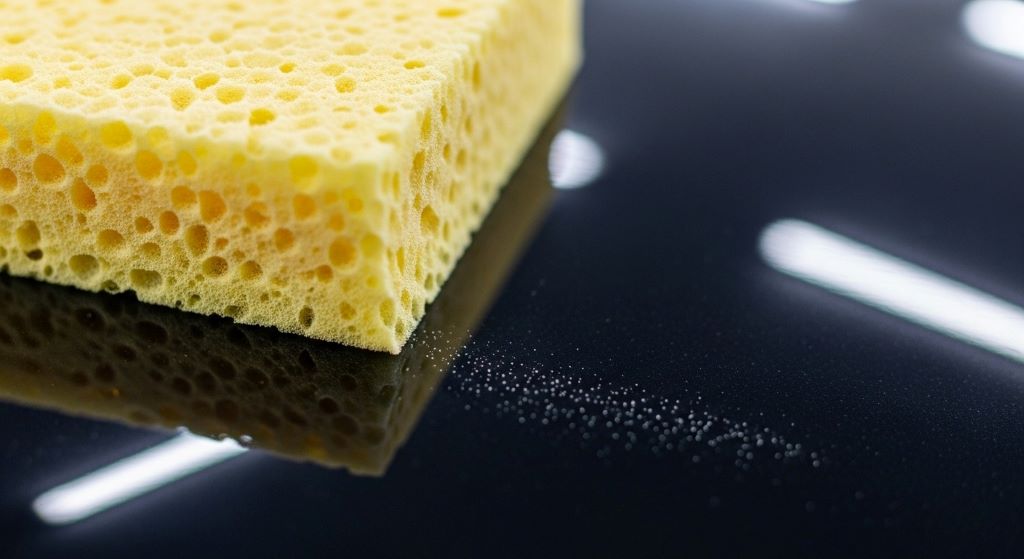
- Cell structure: Open-cell foam absorbs product better and releases it more evenly. This is important for ceramic coating applications.
- Heat resistance: High-quality pads resist heat build-up. This protects both the pad and the coating beneath it.
- Durability: A good pad lasts through multiple uses without tearing or losing shape. Look for pads with reinforced hook-and-loop backing.
- Easy cleaning: Reusable pads should be easy to wash and quick to dry. This keeps them in good shape for future use.
- Brand reputation: Established brands invest in research and development. Therefore, they tend to produce more consistent and reliable pads.
Additionally, read product reviews from other detailing enthusiasts. Real-world feedback often reveals performance qualities that product descriptions do not mention.
Tips for Using Polishing Pads Safely on Ceramic Coatings
Even with the right pad, technique matters. Follow these tips to protect your ceramic coating during polishing.
Always prime your pad before starting. Apply a small amount of polish to the pad and spread it across the surface by hand. This prevents dry buffing, which can create excess heat. Furthermore, it ensures even product distribution from the very first pass.
Use low to medium machine speeds when working on ceramic-coated paint. High speeds generate more heat and friction. This can soften or damage the coating layer. Additionally, keep the machine moving at all times. Holding the pad in one spot for too long concentrates heat in a small area.
Work in small sections, roughly 2 by 2 feet at a time. This gives you better control over your results. After each section, wipe the residue with a clean microfiber cloth. Then inspect the area under good lighting before moving on.
Clean your pads regularly during a job. A clogged pad becomes less effective and also generates more heat. Use a pad cleaning brush or compressed air to clear residue between sections. Replace pads that show signs of wear, tearing, or permanent discoloration.
Top Brands Worth Considering
Several brands have earned strong reputations in the detailing community. Lake Country is known for its wide range of foam pads and consistent quality. Meguiar’s offers reliable pads that pair well with their polish and compound products. Chemical Guys produce pads in a clear color-coded system that is easy to follow for beginners.
Rupes and Flex are premium European brands favored by professional detailers. Their pads are designed for high-performance machines and deliver excellent results on ceramic coatings. However, they come at a higher price point. Therefore, they are better suited for enthusiasts who detail frequently.
For budget-friendly options, 3D Car Care and Griot’s Garage offer solid pads at a more accessible price. They work well for occasional detailing and are widely available online.
Conclusion
Choosing the right polishing pad for a ceramic-coated vehicle does not have to be complicated. The key is to understand your goal and match the pad to the task. Soft foam pads work best for maintenance and finishing. Medium-density foam or microfiber pads are suited for light to moderate correction. Aggressive pads should only be used during surface preparation before a fresh coating application.
Additionally, always consider pad size, cell structure, and heat resistance when making your choice. Use proper technique to protect the coating and extend pad life. Furthermore, stick to reputable brands to ensure consistent performance.
With the right knowledge and the right tools, you can keep your ceramic-coated vehicle looking flawless for years to come. Take your time, choose wisely, and let the results speak for themselves.
Frequently Asked Questions
1. Can I use any polishing pad on a ceramic-coated car?
No, not every pad is suitable for ceramic coatings. Aggressive pads like heavy-cut wool or firm foam can damage or strip the coating. Always use the least aggressive pad that gets the job done. A soft finishing pad is the safest choice for routine maintenance on a ceramic-coated vehicle.
2. What type of pad is best for applying a ceramic coating topper?
A soft, white finishing foam pad is ideal for applying ceramic coating toppers or spray sealants. These pads distribute product evenly without creating friction or heat. They help the topper bond properly to the existing ceramic layer for maximum durability and shine.
3. How often should I replace my polishing pads?
Replace your polishing pads when they show visible signs of wear, tearing, or permanent staining. High-quality foam pads can last through 10 to 20 uses if properly cleaned and stored. However, microfiber pads tend to wear faster and may need replacing more frequently, especially after heavy correction work.
4. Can I use a hand applicator pad instead of a machine?
Yes, hand applicator pads can be used for light maintenance tasks such as applying a ceramic coating topper or a quick detailer. However, machine polishing provides more consistent pressure and better results for correction tasks. Additionally, hand application can be tiring on larger vehicles, so a machine is generally more efficient.
5. Will polishing remove my ceramic coating completely?
Light polishing with a soft foam pad and a fine polish will not remove a properly cured ceramic coating. However, heavy compounding with an aggressive pad can thin or strip the coating over time. Therefore, always test your pad and product combination on a small, inconspicuous area first. Use the least aggressive option to achieve your desired result.
Related Topics:
Timeless Tune-Up: How to Change the Oil in a Classic Car Like a Pro
Avoid Common Mistakes: How to Use Your Hyper Tough Oil Filter Wrench Like a Pro

Thomas Walker is an accomplished writer with expertise in the basics of car accessories. With a keen eye for detail, Thomas has established himself as an authority on the subject, with a passion for all things automotive. Based in Jasper, Thomas is dedicated to providing readers with the information they need to make informed decisions when it comes to their car accessories.