

A dog car seat belt connects a harness to your vehicle and limits forward movement. First, fit a sturdy harness snugly around the chest and ribs before every trip. Then clip the tether to the harness back ring and secure the other end correctly.
This guide explains belt types, fitting checks, and common mistakes in plain steps. In addition, you will learn compatibility checks for different vehicles and seat styles. Finally, short practice trips help nervous dogs accept restraint calmly and safely. Use these steps on short drives first, then extend travel time gradually.
How a Dog Car Seat Belt Works
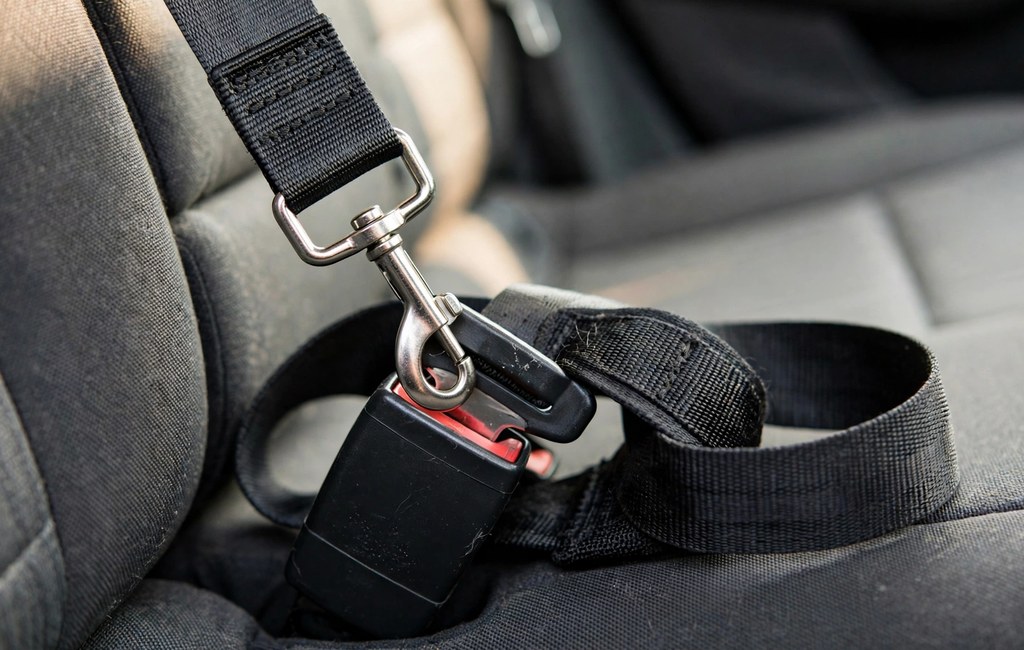
A tether links the harness to a fixed vehicle anchor and controls movement. For example, many drivers pair a dog car seat with a short tether for small dogs. Meanwhile, the belt system keeps the dog in one seating area during turns.
Seat belt buckle tethers click directly into the vehicle buckle receiver. Headrest straps wrap around a sturdy headrest post and hold the tether steady. Also, some systems use a lower anchor point for extra stability on rough roads. However, always follow the manufacturer instructions for your specific restraint model.
Main Types of Dog Car Seat Belts
Buckle tethers suit many cars because drivers click them in quickly. Next, check buckle shape before travel because some receivers reject universal clips. Headrest tethers offer an alternative when buckle shapes differ across vehicles.
Loop-through harnesses thread the vehicle belt through a harness handle instead. In contrast, direct tethers separate the dog restraint from the human belt system. Additionally, zip line systems run along the back seat and allow side movement.
Choosing a Tether Length
Short tethers reduce forward throw during sudden braking and sharp turns. Therefore, choose the shortest length that still allows sitting and lying down. Long tethers invite tangling, climbing, and distraction for the driver.
Fit the Harness Before You Attach the Dog Car Seat Belt
Measure chest girth behind the front legs and compare results with size charts. Then adjust every strap until the harness sits snugly without pinching skin. Slide two fingers under each strap and confirm even pressure around ribs.
Watch the chest strap position and keep straps away from the throat area. Also, check leg openings for rubbing after short walks around your home. Finally, recheck fit after weight changes, coat growth, or harness washing.
- Chest strap: Sits flat across the breastbone without twisting.
- Back ring: Holds the tether clip securely during sudden movement.
- Buckle clip: Clicks fully into place before every single drive.
- Strap ends: Stay tucked away from paws and chewing teeth.
Step-by-Step Attachment in the Back Seat
Place your dog in the back seat and close doors before clipping any restraint. Next, attach the harness, settle the dog calmly, and remove strap twists. Clip the swivel tether to the back D-ring and listen for a firm click. Afterward, test the connection with a gentle tug and adjust length again.
Many owners compare restraint styles before settling on one system for travel. For instance, the guide on dog car seat vs dog seat belt explains key differences clearly. Consequently, you can match tether style to dog size and vehicle layout.
Dog Car Seat Belt Compatibility Checks for Your Vehicle
Test the buckle clip in each rear seating position before a long trip. Some center buckles differ from outer buckles and reject certain tether clips. Similarly, fixed headrests may block headrest straps and require buckle attachment instead.
Check lower anchor points, seat belt length, and seat shape together. Also, confirm the tether clears child seat anchors and passenger seat belts. Avoid front seat travel because airbag deployment creates serious injury risk.
Common Dog Car Seat Belt Mistakes That Reduce Protection
Never attach a tether to a collar alone because sudden force strains the neck. Loose harnesses allow escape, twisting, and dangerous sliding across the seat. In addition, long slack lets dogs reach the front seat and distract drivers.
Skipping pre-trip checks leaves frayed webbing, cracked clips, and loose stitching unnoticed. Therefore, inspect stitching, hardware, and adjustment sliders before each journey. Replace damaged gear promptly and never use a cracked clip for travel.
Training, Comfort, and Everyday Travel Habits
Introduce the harness indoors first and pair fitting sessions with calm praise. Then practice short parked sessions before driving around your local block. Gradually extend drive time as your dog relaxes, settles, and breathes normally.
Proper setup matters for every vehicle layout, from sedans to larger wagons. Meanwhile, the steps for how to install a dog car seat cover seating position clearly. After that, keep water, ventilation, and regular rest stops in your travel plan.
Inspect, Clean, and Replace Restraint Gear
Wash straps gently according to manufacturer guidance and air-dry them fully. Also, remove tangled hair, grit, and debris from clips after muddy trips. Store gear indoors away from sunlight because heat and light weaken webbing.
Replace any harness after a collision, even when damage looks minor. Similarly, retire straps with fraying, fading, or stiff adjustment sliders promptly.
Safety Limits, Laws, and Warm Weather Warnings
Restraints reduce risk during sudden stops but never eliminate injury risk completely. Crash-tested designs undergo independent testing, while many basic tethers lack such testing. Thus, read test claims carefully and choose gear that matches your dog size.
Local restraint laws vary, so check current rules for your state before travel. Never leave a dog alone in a parked car during warm conditions. Even with windows cracked, interior heat rises quickly and threatens health. Finally, plan shade, water, and supervised stops on every warm journey.
Frequently Asked Questions
Can I attach a dog seat belt to a collar?
No, always attach the tether to a harness because collars concentrate force on the neck.
How tight should a dog car harness fit?
Fit the harness snugly and slide two fingers under straps without pinching skin.
Can my dog ride in the front seat with a seat belt?
Avoid front seat travel because airbags create serious injury risk for dogs.
Does a dog seat belt guarantee safety in a crash?
No, restraints reduce risk but never guarantee protection during a crash.
How often should I check the seat belt and harness?
Check clips, webbing, and harness fit before every trip for wear.
Conclusion
Choose a snug harness, test vehicle compatibility, and practice restraint habits early. Then build short, calm trips into a confident routine for you and your dog. Start today by fitting the harness, checking the buckle, and planning your next safe drive.

Thomas Walker is an accomplished writer with expertise in the basics of car accessories. With a keen eye for detail, Thomas has established himself as an authority on the subject, with a passion for all things automotive. Based in Jasper, Thomas is dedicated to providing readers with the information they need to make informed decisions when it comes to their car accessories.