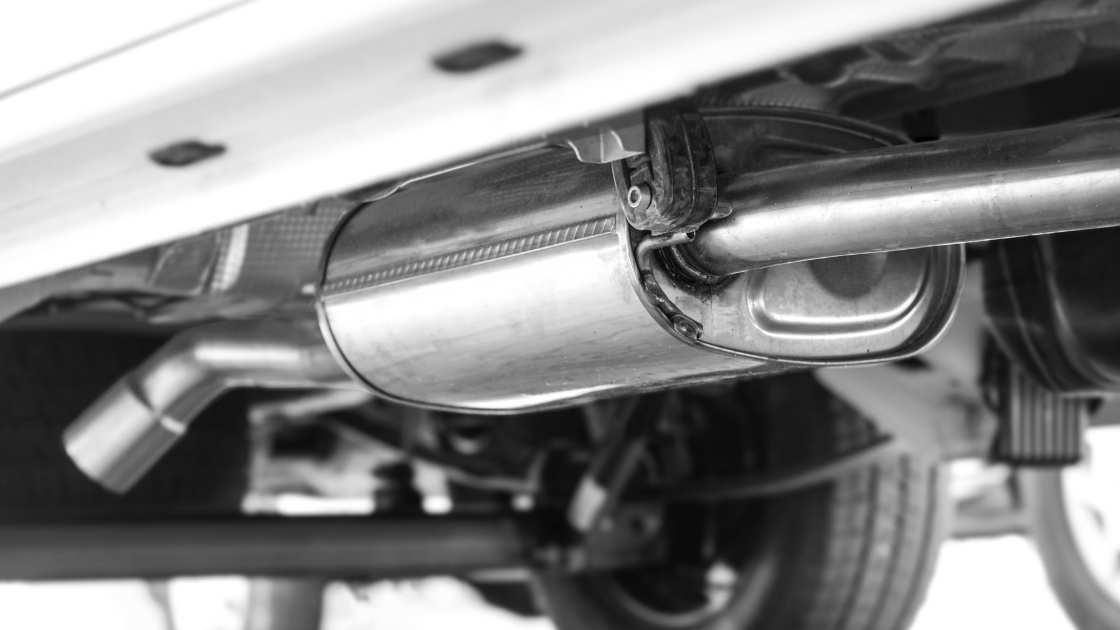

White smoke repair cost runs from zero for harmless condensation to thousands for engine work. Minor coolant leaks often cost a few hundred dollars for parts and labor. Serious head gasket trouble, however, can push repair bills toward three thousand dollars.
Several factors determine where your final bill lands on that broad spectrum. Repair costs vary widely depending on what’s actually triggering the white smoke from exhaust in the first place. Therefore, accurate diagnosis saves money and prevents unnecessary engine work later.
Drivers often fear the worst cost immediately after spotting thick white vapor. In reality, shops first separate harmless steam from coolant burning inside cylinders. This guide explains cost ranges, cost drivers, and smart ways to avoid overpaying.
Why White Smoke Repair Cost Varies So Much

The Root Cause Sets Your White Smoke Repair Cost
Coolant, oil, fuel, and plain water vapor can all create white exhaust vapor. A mechanic therefore traces the vapor back to its source before quoting any repair. Harmless condensation needs no parts, no labor, and no follow-up repair work.
A leaking hose or gasket, in contrast, needs parts, labor, and coolant replacement. Failed head gaskets demand far more labor because mechanics remove major engine parts. Consequently, two cars with identical smoke can face dramatically different repair bills.
Vehicle Design And Shop Labor
Engine layout strongly influences labor time, parts access, and total repair cost. Simple four-cylinder engines often give mechanics easier access to gaskets and hoses. Larger engines, however, hide key parts behind tight components and extra hardware.
Labor rates also vary by shop type, location, and technician experience level. Dealership shops typically charge higher hourly rates than independent repair shops. Independent shops, meanwhile, often deliver similar quality work for lower labor rates.
Parts, Tests, And Extra Work
Diagnostic tests add a modest upfront cost, but they prevent expensive guesswork later. Pressure tests, combustion leak tests, and compression tests pinpoint coolant entry points. Shops additionally inspect radiators, hoses, water pumps, thermostats, and heater cores.
Typical White Smoke Repair Cost Ranges By Repair Type
Harmless Condensation: White Smoke Repair Cost Of Zero
Thin white vapor on cold mornings usually signals normal condensation inside exhaust pipes. Warm exhaust pipes evaporate trapped moisture, and the vapor disappears within minutes. Drivers therefore pay nothing when vapor clears quickly and coolant levels stay steady.
A basic inspection still makes sense when drivers feel uncertain about the vapor. That check usually costs a small amount compared with major engine repair work. In short, condensation alone never justifies gasket replacement or expensive engine work.
Minor Coolant Leaks: White Smoke Repair Cost In Hundreds
External coolant leaks often come from hoses, clamps, radiators, or reservoir connections. Mechanics replace the failed part, refill coolant, and pressure test the cooling system. These straightforward repairs typically cost a few hundred dollars, including parts and labor.
Intake manifold gasket leaks cost more because mechanics reach deeper engine components. That repair commonly falls in the hundreds of dollars range, depending on engine design. Similarly, a faulty radiator cap or thermostat can trigger vapor for relatively modest money.
Turbo, Fuel, And Cooling System Problems
Turbocharger seal leaks can push oil into hot exhaust parts and create pale vapor. Fuel injector problems, similarly, can create white haze from unburned fuel during cold starts. These mid-range repairs usually cost hundreds of dollars, sometimes approaching one thousand dollars.
Head Gasket White Smoke Repair Cost Runs Highest
A blown head gasket lets coolant enter combustion chambers and burn as thick white smoke. Drivers who suspect gasket failure should learn how to fix blown head gasket white smoke correctly. Mechanics remove the cylinder head, replace the gasket, and inspect surfaces for warping.
Head gasket jobs commonly range from roughly one thousand dollars to around three thousand dollars. Labor dominates that bill because mechanics spend many hours disassembling and reassembling engines. Additionally, shops often machine cylinder heads and replace bolts, coolant, and oil together.
When Driving Raises The Bill
Thick white smoke plus overheating signals danger, so drivers should act quickly. Drivers who notice persistent thick smoke should understand when to stop driving white exhaust smoke immediately. Continued driving can warp cylinder heads, damage pistons, and contaminate engine oil.
Coolant loss also reduces cooling capacity and raises engine temperatures very quickly. Milky oil, sweet exhaust smells, and falling coolant levels all demand prompt professional attention. Therefore, stopping early often protects the engine and keeps repair costs much lower.
How To Avoid Overpaying On White Smoke Repair Cost
Get A Clear Diagnosis First
The cost to fix white exhaust smoke depends almost entirely on accurate early diagnosis. Ask the shop which test confirmed coolant entry before approving major engine work. A pressure test, combustion leak test, or compression test provides concrete evidence first.
Shops should explain findings in plain language and show failed parts when possible. Drivers, additionally, should ask whether machining, new bolts, and fluids appear in estimates. Clear evidence prevents shops from replacing expensive parts based on guesswork alone.
Compare Written Estimates Carefully
Written estimates help drivers compare labor hours, part prices, and warranty terms side by side. A low estimate may exclude machining, fluids, or replacement bolts that later increase costs. Similarly, a high estimate may include unnecessary extras beyond the confirmed repair scope.
Request at least two independent estimates for any repair above a few hundred dollars. Compare warranty coverage carefully because a strong warranty protects drivers after major work. Finally, confirm whether the estimate covers taxes, shop supplies, and coolant disposal fees.
Decide Whether Repair Makes Financial Sense
Older vehicles with low value sometimes cost more to repair than replacement makes sense. Owners should weigh repair costs against vehicle condition, mileage, and overall reliability. A well-maintained vehicle, however, often justifies a head gasket repair despite high labor costs.
Frequently Asked Questions
How Much Does It Cost To Fix White Exhaust Smoke?
Costs range from nothing for condensation to around three thousand dollars for head gasket work.
Is White Smoke From Exhaust Always Serious?
No, thin vapor that disappears quickly usually signals harmless condensation only.
Can I Drive With Thick White Exhaust Smoke?
Avoid driving with thick persistent smoke because overheating damages engines quickly.
What Causes White Smoke Besides A Blown Head Gasket?
Condensation, intake gasket leaks, turbo seal leaks, and EGR cooler leaks also cause vapor.
How Can I Avoid Overpaying For White Smoke Repairs?
Request diagnostic proof, compare written estimates, and confirm warranty coverage first.
Conclusion
White exhaust smoke costs little or nothing when condensation causes the vapor. Minor leaks usually cost hundreds of dollars, while head gasket jobs reach around three thousand dollars. Accurate diagnosis, therefore, separates a simple fix from an expensive engine repair.
Book a diagnostic inspection today and ask the shop for written test results. Compare estimates carefully, confirm warranty terms, and approve only confirmed repairs. Act now to protect your engine, control costs, and drive with greater confidence.
Get a white smoke repair cost estimate in writing before any shop work starts. Compare every white smoke repair cost quote against the diagnosis in this guide.

Thomas Walker is an accomplished writer with expertise in the basics of car accessories. With a keen eye for detail, Thomas has established himself as an authority on the subject, with a passion for all things automotive. Based in Jasper, Thomas is dedicated to providing readers with the information they need to make informed decisions when it comes to their car accessories.