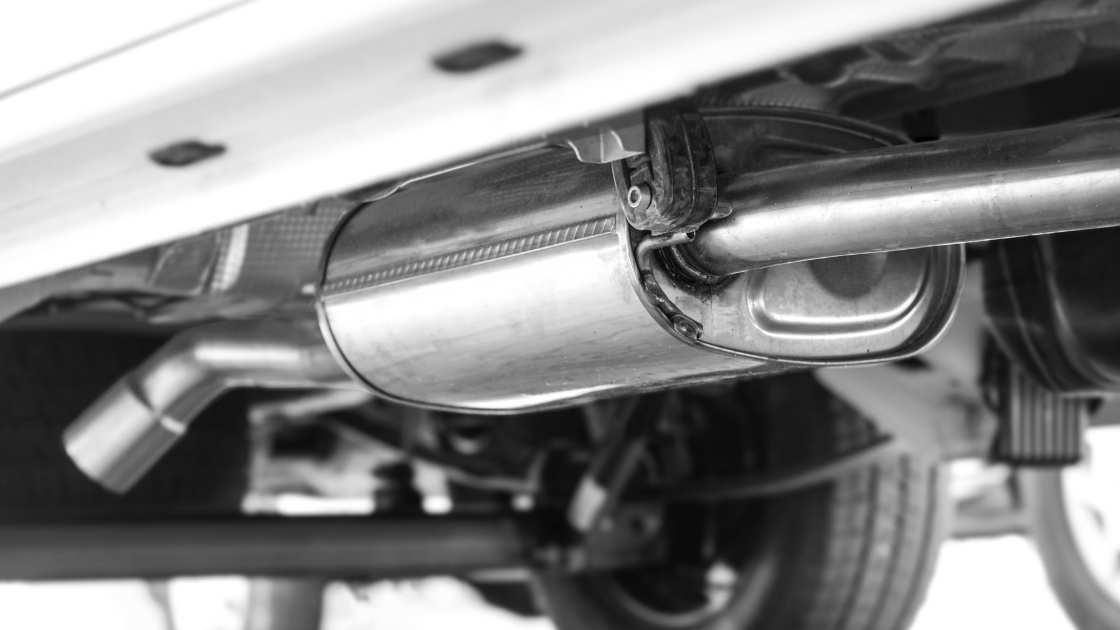

You can diagnose white exhaust smoke at home with simple observation and fluid checks. First, compare thin vapor that clears quickly against thick smoke that lingers after warm-up. Next, check coolant level, oil condition, smell, and engine behavior for clear clues.
This routine narrows the cause without tools, guesswork, or risky repairs. Also, it helps you describe symptoms clearly when you call a mechanic. Follow each step in order, and record what you observe.
Safety comes first during every check, so work only on a cool engine. Keep hands away from hot parts, moving belts, and the tailpipe. Then, use daylight and a phone note to track changes over days.
Diagnose White Smoke From Exhaust By Color, Smell, And Timing
Park the car outside, start the engine, and watch the tailpipe closely for two minutes. Before running any tests, get familiar with the broader causes of white smoke from exhaust. Note thickness, color, and how quickly the vapor fades into the air.
Thin vapor usually signals harmless condensation, especially on cold or humid mornings. Thick smoke, however, points toward coolant entering the combustion chamber. Also, blue-tinged smoke suggests burning oil rather than burning coolant.
Smell gives another fast clue, but stand upwind and avoid breathing exhaust directly. A sweet, syrup-like odor strongly suggests burning coolant from an internal leak. A harsh, oily odor, in contrast, suggests oil reaching the combustion chamber.
Timing also separates normal vapor from trouble just as clearly as color does. Condensation typically clears within a few minutes after the engine warms fully. Persistent smoke after warm-up, therefore, deserves closer fluid and temperature checks.
Diagnose White Smoke From Exhaust With A Coolant Check
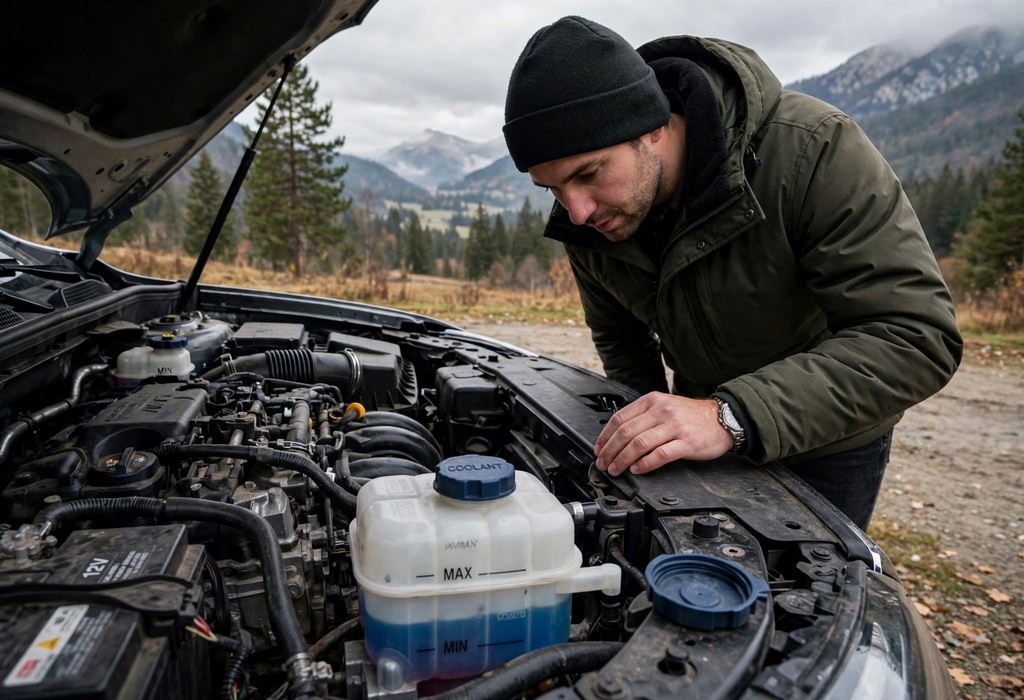
Wait until the engine cools completely before you open any cooling system cap. Next, inspect the coolant reservoir and compare the level against the minimum and maximum marks. A falling level without puddles, therefore, strongly suggests an internal leak somewhere in the system.
Look closely at coolant color and texture for contamination clues. Additionally, clean coolant usually shows a clear green, orange, pink, or blue tint. An oily film, dark sludge, or rusty tint signals contamination or neglected cooling system care.
Bubbles rising steadily in the reservoir can indicate combustion gases entering cooling passages. Occasional bubbles after a refill, however, may simply reflect trapped air leaving the system.
Record the level daily for one week, and photograph the reservoir at the same spot. This log also reveals slow loss patterns that one quick glance often misses completely.
Diagnose White Exhaust Smoke With Oil Cap And Dipstick Clues
Pull the dipstick, wipe it clean, reinsert it fully, and read the level again. Also, check oil color on the dipstick and inside the filler cap. Healthy oil usually looks amber or dark brown and feels smooth between fingers.
A milky, frothy, coffee-colored residue signals coolant mixing with engine oil. This emulsion weakens lubrication, so treat this finding as urgent. Short trips can create light moisture under the cap, however, so compare cap and dipstick together.
Next, check oil level trends alongside coolant trends for a fuller diagnostic picture. A rising oil level can suggest coolant entering the crankcase and diluting oil. A falling oil level with blue-tinged smoke, in contrast, points toward oil consumption.
Diagnose White Smoke From Exhaust By Idle And Temperature
Start the engine cold, let it idle, and observe smoke changes as temperature climbs. Fading idle smoke usually matches condensation clearing from the exhaust system. Idle smoke that thickens, however, suggests a leak worsening as pressure builds.
Next, ask a helper to rev the engine gently while you watch from behind. A sudden smoke burst under acceleration can reveal a leak under load. Smoke that appears only during deceleration, in contrast, often points toward oil past valve seals.
Monitor the temperature gauge throughout warm-up and during short, careful drives. Repeated overheating alongside thick smoke strengthens the case for coolant loss. Also, watch for a heater blowing cold air despite a hot engine. That symptom can reflect low coolant or trapped air in heater passages.
Note rough idle, hesitation, power loss, or a flashing check-engine warning. Therefore, treat symptom clusters as stronger evidence than any isolated sign.
Diagnose White Smoke From Exhaust With Simple At-Home Tests
A basic diagnostic scanner can reveal misfire codes, temperature readings, and fuel trim data. Plug the scanner into the diagnostic port, read codes, and record them exactly. Also, clear no codes until you record them and note accompanying symptoms.
A combustion leak test kit checks for exhaust gases inside the cooling system. Next, follow kit instructions carefully, and test only on a cool, stable engine. Additionally, a color change in test fluid points strongly toward combustion gas intrusion.
Compare your findings against normal patterns before you assume major engine damage. For a quick comparison, review normal or warning sign alongside your notes. This comparison also helps beginners separate brief condensation from persistent coolant burning.
Diagnose White Smoke From Exhaust, Then Decide On A Mechanic
Stop driving promptly if thick smoke continues, coolant drops fast, or temperature climbs sharply. Also, stop immediately if milky oil, severe misfires, or loud knocking accompany the smoke. Pull over safely, switch off the engine, and let it cool completely.
Do not open a hot radiator cap or add cold fluid. Also, avoid restarting an overheating engine repeatedly. Arrange towing when warning signs combine or coolant loss accelerates.
Prepare a short summary with smoke timing, smell, fluid levels, and temperature behavior. Finally, share photos of the dipstick, reservoir, and tailpipe smoke with your mechanic.
Avoid sealant shortcuts, repeated top-ups without diagnosis, or long drives with warning signs. These shortcuts can mask coolant loss while internal damage grows silently. Finally, book an inspection promptly when several clues point toward internal leakage.
Frequently Asked Questions
Can I Drive With White Exhaust Smoke?
Drive only briefly if vapor clears quickly, coolant stays full, and temperature remains normal.
How Do I Tell Condensation From A Coolant Leak?
Condensation clears quickly without odor or coolant loss, while coolant smoke persists sweetly.
What Does Sweet-Smelling White Smoke Mean?
Sweet-smelling smoke usually indicates burning coolant from an internal engine leak.
Why Does White Smoke Appear Only At Startup?
Cold exhaust parts condense moisture overnight, then heat clears that vapor quickly.
Should I Check Oil And Coolant Together?
Yes, compare both fluids because combined clues reveal internal mixing more reliably.
Put Your Diagnosis Into Action
You now hold a clear routine for separating harmless vapor from serious coolant trouble. Also, use your notes, photos, and test results to guide the next conversation confidently. Act promptly when clues cluster, because early diagnosis protects your engine.
Start your checks today on a cool engine, and record every observation carefully. Then, share your findings with a trusted mechanic for confirmation and repair guidance. Take action now, and turn uncertainty into a confident diagnostic decision.
Use this diagnose white smoke from exhaust routine every month. This diagnose white smoke from exhaust checklist saves you a wasted shop visit. Keep this diagnose white smoke from exhaust guide in your glove box.

Thomas Walker is an accomplished writer with expertise in the basics of car accessories. With a keen eye for detail, Thomas has established himself as an authority on the subject, with a passion for all things automotive. Based in Jasper, Thomas is dedicated to providing readers with the information they need to make informed decisions when it comes to their car accessories.