
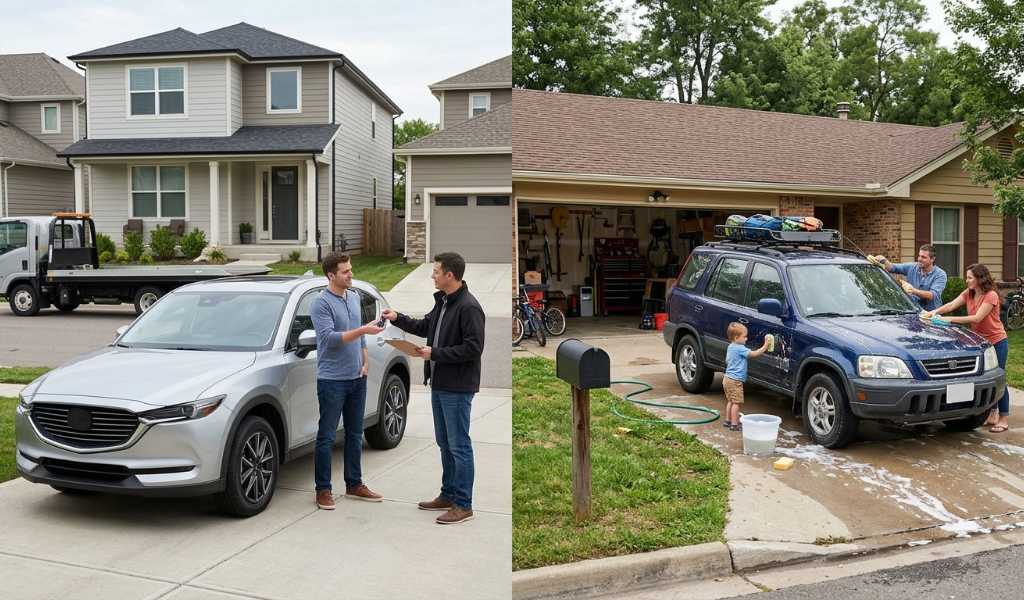
Buying usually suits drivers seeking long-term value, unlimited mileage, and eventual ownership equity. Leasing often suits drivers prioritizing lower short-term payments, newer vehicles, and predictable use. Therefore, neither option wins for every budget or lifestyle.
Your answer depends on annual mileage, available cash, vehicle care, and planned ownership length. Leases exchange flexibility for controlled commitments, while purchases exchange higher payments for lasting control. First, compare both choices across the same number of years.
If you are exploring leasing a car, examine complete offers instead of advertised payments. Then total upfront cash, financing charges, expected maintenance, and each option’s ending value.
The fundamental difference is use versus ownership
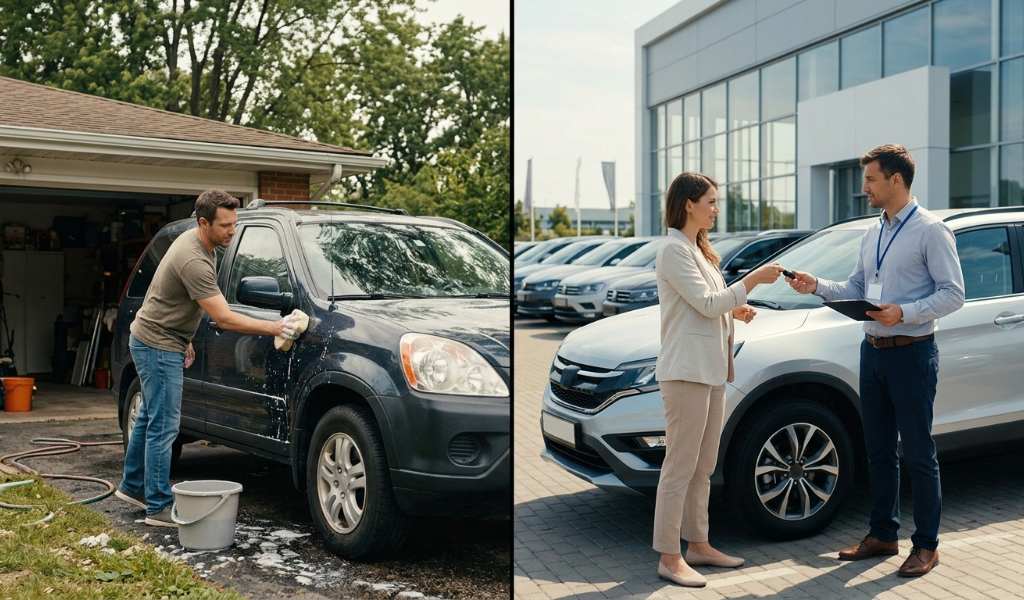
A lease lets you use a vehicle for a fixed term and agreed mileage. Your monthly payment covers expected depreciation, a rent charge, taxes, and fees. Meanwhile, the leasing company keeps legal ownership throughout the contract.
The capitalized cost reflects the negotiated vehicle price and financed items. The residual value estimates the vehicle’s worth when the lease ends. Additionally, the money factor determines the lease’s financing charge.
A purchase payment reduces principal and pays interest on an auto loan. Consequently, you can build ownership equity as the loan balance falls. After payoff, you may keep, sell, trade, or customize the car without lease restrictions.
Cost comparison over three and six years
These figures illustrate mechanics rather than quotes or market averages. They exclude taxes, insurance, maintenance, repairs, registration, lease-end charges, and changing market value. Still, they reveal why matching timelines matters.
Illustrative three-year sketch
| Path | Simple assumptions | 36-month cash outlay | Position after 3 years |
| Lease | $2,000 drive-off + 36 × $400 | $16,400 | Return vehicle; possible end charges |
| Buy | $2,000 down + 36 × $600 | $23,600 | Own vehicle, but loan may remain |
In this fictional snapshot, leasing requires less cash during the first 36 months. However, the buyer holds a vehicle alongside any remaining loan balance. Equity equals market value minus debt, so lower outlay never settles the decision.
Illustrative six-year sketch
| Path | Simple assumptions | 72-month cash outlay | Position after 6 years |
| Two leases | 2 × $2,000 + 72 × $400 | $32,800 | Return second vehicle; no owned car |
| Buy | $2,000 down + 60 × $600 | $38,000 | Loan paid; own six-year-old car |
Over six years, the fictional buyer spends more cash but finishes with a paid-off vehicle. Meanwhile, the serial lessee drives two newer cars and returns the second vehicle. Therefore, compare total cash outlay with each path’s financial position after 72 months.
Monthly payment is only one part of the cost
Lease payments often look lower because they cover only part of the vehicle’s value. However, advertised figures may require substantial drive-off cash. Ask for total due, scheduled payments, allowed miles, and every possible end charge.
For a purchase, compare down payment, annual percentage rate, term, interest, and checkpoint balance. Next, place both offers on one timeline and include every unavoidable dollar. Subtract realistic ownership equity instead of treating the purchased vehicle as worthless.
Total cost of ownership adds insurance, maintenance, repairs, taxes, fees, and depreciation. Likewise, it credits the buyer’s remaining vehicle value at the comparison endpoint. This broader view exposes cheap payments that create expensive outcomes.
Lifestyle fit can outweigh a small cost difference
A lease may suit drivers who change vehicles frequently and track mileage carefully. They also value predictable warranty coverage throughout most contract months. Before comparing offers, read the full rundown of leasing advantages and test those benefits against your habits.
Buying provides different flexibility because owners control mileage, resale timing, and vehicle use. Consequently, commuters with changing routes avoid contractual mileage limits. Families can also keep the car while their transportation needs evolve.
Neither path guarantees simple maintenance or lower insurance. Instead, request vehicle-specific quotes and estimate costs across your planned horizon. Your driving pattern may outweigh a modest difference between monthly payments.
Ownership brings control, equity, and responsibility
A purchased car can become an asset, although depreciation usually reduces its market value. Nevertheless, you may customize, sell, trade, or drive it after payoff. You also accept repair costs and resale risk as the vehicle ages.
A leased vehicle gives you less control over mileage, condition, and early exit. Therefore, study the drawbacks worth knowing before you sign before signing any contract. A restriction that barely affects one driver may burden another.
At lease-end, compare the purchase option with the car’s market value and condition. Then include taxes, fees, and financing before choosing a buyout. A favorable residual value alone cannot guarantee a smart purchase.
Choose the path that matches how you actually drive
Use your likely behavior, not your ideal behavior, when choosing. Then test these practical signals before signing:
- Lean toward leasing when mileage stays stable, you prefer newer vehicles, and you protect interiors carefully.
- Lean toward buying when mileage varies, you keep vehicles long, or you want modification freedom.
- Run both scenarios after job, commute, household, or parking changes could disrupt your plan.
- Treat a lower monthly payment as cash-flow relief, not proof of lower overall cost.
Next, collect a complete lease worksheet and a comparable financing offer. Match vehicle price, cash at signing, term length, mileage, and optional products. Otherwise, an unequal comparison may reward clever packaging rather than genuine value.
Consider your emergency savings before committing money upfront. Additionally, avoid large lease down payments because early losses can erase that cash. Choose the option that stays affordable after ordinary life changes.
The right answer remains useful throughout your expected driving period. Ultimately, your budget, mileage, and ownership horizon should point toward the same path.
Frequently asked questions
Is it cheaper to lease or buy over three years?
Leasing may use less short-term cash, while buying may leave valuable equity after three years.
Do you ever own the car with a lease?
No, unless you exercise a purchase option and complete the separate buyout transaction.
Can you switch from leasing to buying later?
Often, yes, when your contract includes a purchase option with defined timing and terms.
What happens when a car lease ends?
You can return, replace, or buy the vehicle, depending on your contract and financial situation.
What if my annual mileage is uncertain?
Buying usually offers more flexibility, while leasing requires careful mileage forecasting before signing.
Compare the same years, then compare the finish line
Gather realistic lease and loan offers for comparable vehicles. Then use identical months and include every dollar you expect to pay. Also record what you will own, owe, or return at the endpoint.
That worksheet will outperform any slogan about the universally better choice. Finally, stress-test your preferred path against extra mileage, job changes, and repairs. Compare both complete offers today, then choose the option your future budget can sustain.

Thomas Walker is an accomplished writer with expertise in the basics of car accessories. With a keen eye for detail, Thomas has established himself as an authority on the subject, with a passion for all things automotive. Based in Jasper, Thomas is dedicated to providing readers with the information they need to make informed decisions when it comes to their car accessories.