
Tires are a critical component of your vehicle’s safety and performance. Understanding how long tires last and the factors that influence their lifespan is essential for maintaining your vehicle and ensuring a safe driving experience. This article provides an informative answer on the lifespan of car tires and the factors that affect it.
Average Lifespan of Car Tires
On average, car tires can last anywhere from 25,000 to 50,000 miles, which typically translates to about 3 to 5 years of driving. However, this can vary widely depending on several factors, including the type of tire, driving habits, road conditions, and maintenance practices.
Factors Affecting Tire Lifespan
Type of Tire
Different types of tires have different expected lifespans:
All-Season Tires: Generally last between 50,000 and 70,000 miles.
Performance Tires: Designed for better handling and speed, they may wear out faster, typically lasting between 30,000 and 50,000 miles.
Off-Road Tires: Made for rugged conditions, they might last about 40,000 miles but can wear faster if used frequently on paved roads.
Winter Tires: Made of softer rubber to provide better grip in cold conditions, they may wear out more quickly, often lasting around 30,000 miles.
Driving Habits
Your driving style has a significant impact on tire wear:
Aggressive Driving: Rapid acceleration, hard braking, and fast cornering can cause tires to wear out more quickly.
High-Speed Driving: Consistently driving at high speeds generates more heat, which can accelerate tire wear.
Frequent Short Trips: Short trips where the tires don’t fully warm up can also lead to increased wear.
Road Conditions
The type of roads you frequently drive on affects tire longevity:
Smooth Pavement: Tires generally last longer on smooth, well-maintained roads.
Rough or Unpaved Roads: Driving on rough, gravel, or unpaved roads can cause faster wear and tear on tires.
Potholes and Debris: Regular encounters with potholes or road debris can lead to damage and reduced tire lifespan.
Maintenance Practices
Proper tire maintenance is crucial for maximizing their lifespan:
Tire Rotation: Regularly rotating your tires (every 5,000 to 8,000 miles) ensures even wear.
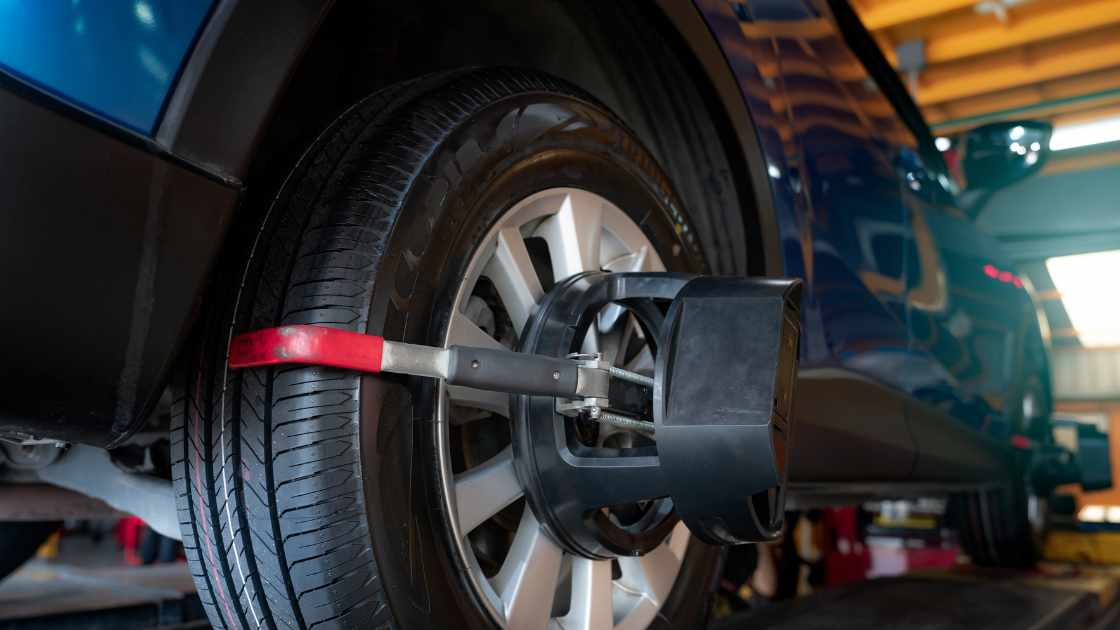
Wheel Alignment: Keeping your wheels properly aligned prevents uneven tire wear.
Balancing: Ensuring your tires are balanced reduces vibration and promotes even wear.
Tire Pressure: Maintaining the correct tire pressure helps prevent uneven wear and extends tire life.
Climate and Weather
Environmental conditions also play a role:
Hot Climates: High temperatures can cause the rubber to degrade faster.
Cold Climates: Extremely cold weather can make tires brittle and prone to damage.
UV Exposure: Prolonged exposure to sunlight can degrade tire rubber over time.
Signs That Your Tires Need Replacement
Even if your tires haven’t reached their mileage limit, certain signs indicate they need to be replaced:
Tread Wear Indicators: Most tires have built-in tread wear indicators (small bars within the tread grooves) that become visible when the tire tread is worn down to 2/32 of an inch.
Uneven Tread Wear: Uneven wear patterns can indicate alignment issues or improper inflation.
Cracks and Bulges: Visible cracks, cuts, or bulges in the tire sidewall are signs of potential failure.
Vibration: Excessive vibration while driving can indicate internal damage or imbalance.
Age: Regardless of mileage, tires should generally be replaced every six years, as the rubber compounds deteriorate over time.
Extending the Lifespan of Your Tires
To maximize the lifespan of your tires, follow these best practices:
Regular Inspections: Check your tires regularly for signs of wear, damage, and proper inflation.
Proper Inflation: Keep your tires inflated to the manufacturer’s recommended pressure.
Rotate Tires: Rotate your tires according to your vehicle’s maintenance schedule.
Avoid Overloading: Do not exceed your vehicle’s load capacity, as overloading can increase tire wear.
Drive Smoothly: Practice smooth driving habits to reduce stress on your tires.
FAQs
What is the average lifespan of car tires?
On average, car tires last between 25,000 and 50,000 miles, or about 3 to 5 years, depending on factors like tire type, driving habits, road conditions, and maintenance practices.
How can I tell if my tires need to be replaced?
Signs that your tires need replacement include visible tread wear indicators, uneven tread wear, cracks or bulges in the sidewall, excessive vibration, and general age (tires should be replaced every six years regardless of mileage).
What can I do to extend the lifespan of my tires?
To extend tire lifespan, maintain proper tire pressure, rotate your tires regularly, ensure correct wheel alignment and balance, avoid overloading your vehicle, and practice smooth driving habits.
Final Thought
The lifespan of car tires varies based on multiple factors, including tire type, driving habits, road conditions, maintenance, and climate. On average, tires last between 25,000 and 50,000 miles, or about 3 to 5 years. By understanding these factors and practicing good tire maintenance, you can maximize the life of your tires and ensure a safer driving experience. Regular inspections and being attentive to signs of wear will help you determine when it’s time to replace your tires, keeping your vehicle running smoothly and safely.

Jeff Gordon is an accomplished writer with expertise in the basics of car accessories. With a keen eye for detail, Jeff has established himself as an authority on the subject, with a passion for all things automotive. Based in Jasper, Jeff is dedicated to providing readers with the information they need to make informed decisions when it comes to their car accessories.