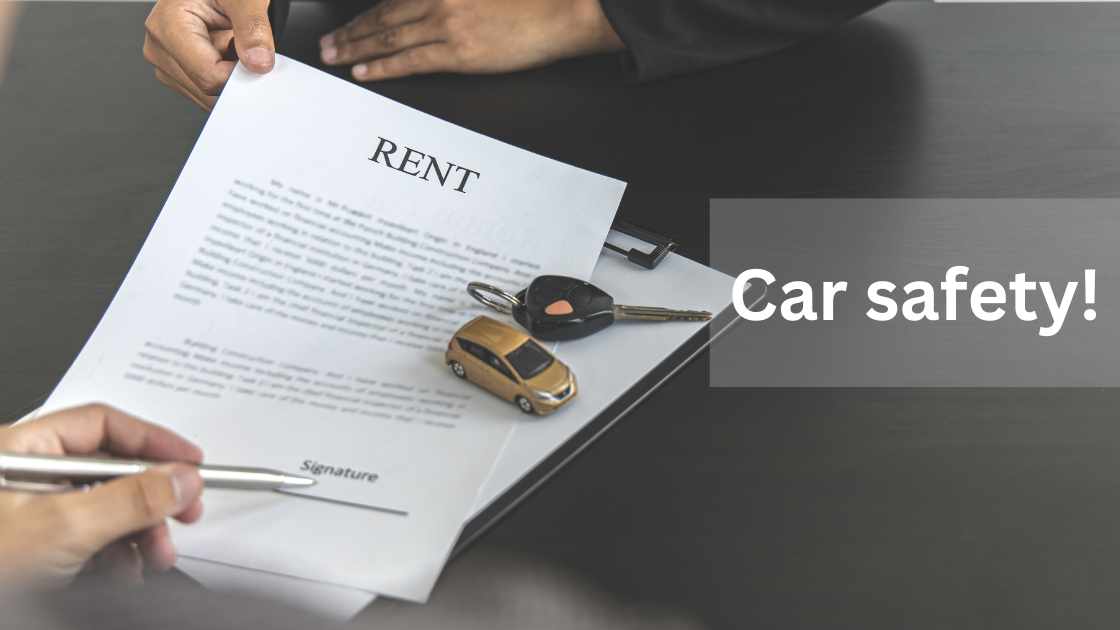

Leasing can offer lower monthly payments, newer features, warranty coverage, and a simple replacement schedule. However, those benefits work best for drivers with predictable mileage and careful vehicle habits. They can also reduce resale work and create a convenient upgrade point.
Before comparing offers, drivers exploring leasing a car should examine the complete contract. Each agreement sets its own term, mileage allowance, fees, condition rules, and purchase option. That review reveals whether convenience justifies the lease’s limits. Therefore, the smartest lease matches both your budget and your ordinary driving life.
1. Lower Monthly Payments Than Buying
Lease payments usually cover expected depreciation during the term, plus a rent charge, taxes, and fees. Consequently, payments may cost less than financing the same new vehicle for a comparable period. This difference can preserve monthly cash flow or open access to a better-equipped trim.
However, a lower payment does not automatically create a lower long-term cost. Compare the total due, payment count, insurance, fees, and likely return charges. Also, check the residual value and money factor before judging any offer.

2. Less Cash Needed Upfront
Some leases require less initial cash than a financed purchase requires. Therefore, you may preserve savings for registration, insurance, emergencies, or other priorities. Special offers can reduce drive-off costs further, although eligibility and inventory still matter.
Still, avoid making a large capitalized cost reduction simply to shrink the payment. That upfront amount lowers the financed lease balance, but it can hide the agreement’s true cost. Instead, compare offers using equal cash at signing and identical mileage assumptions.
3. Always Driving Under Warranty
Many drivers choose terms that fit within the manufacturer’s factory warranty. As a result, warranty coverage can limit exposure to qualifying mechanical repair bills. A new vehicle every few years may also avoid many age-related failures.
However, the warranty never replaces routine care or contract duties. You may still pay for tires, brakes, scheduled service, damage, or excluded repairs. Therefore, match both the warranty’s time and mileage limits against the complete lease term.
4. The Latest Safety and Technology
Regular replacement cycles provide faster access to the latest safety technology. For example, newer models may improve driver assistance, phone integration, cameras, efficiency, or charging systems. These updates can meaningfully improve daily convenience and confidence.
However, every added feature can increase the payment and insurance cost. Therefore, choose technology that supports your routine instead of chasing novelty. A focused trim often delivers stronger value than a feature-heavy upgrade.
5. No Trade-In or Resale Hassle
A scheduled return can remove the work of advertising, pricing, and negotiating a private sale. Likewise, you avoid uncertainty about finding a buyer during a weak resale market. The lessor handles the vehicle after you complete the return process.
Still, the return requires preparation rather than a simple key handoff. Review condition standards, gather service records, and schedule any available pre-return inspection. Then compare repair costs with possible wear charges before choosing your next step.
6. Flexibility When the Term Ends
A lease creates a clear decision point after a defined period. Depending on the agreement, you can return the vehicle, buy it, or select another model. These flexible end-of-term options help when commuting, family needs, or technology preferences change.
However, this flexibility usually arrives only at the scheduled end. Early termination can trigger substantial costs, so confirm your likely stability before signing. Meanwhile, review the purchase option early if the vehicle still suits your needs.
7. Predictable, Budget-Friendly Costs
A fixed payment schedule can make monthly planning easier. Moreover, newer vehicles often need fewer age-related repairs during a typical lease term. That combination can reduce financial surprises and support a steadier transportation budget.
Nevertheless, leasing never creates an all-inclusive monthly cost. Budget separately for insurance, registration, fuel or electricity, tires, maintenance, and possible return charges. Therefore, compare complete ownership and lease costs across the same timeframe.
8. Gap Coverage Is Often Built In
A total loss can create a shortfall between an insurance settlement and the remaining lease balance. Gap protection may cover some or all of that difference. Consequently, included protection can reduce a serious financial risk after theft or a covered accident.
However, lessors do not use identical gap terms. Check the agreement for deductibles, exclusions, limits, and any separate charge. Also, confirm how your insurer and lessor handle the claim before relying on this benefit.
9. An Affordable Way to Try Electric Vehicles
Electric vehicles continue changing through battery improvements, software updates, charging standards, and broader model choices. Therefore, a finite lease can limit long-term commitment while you test daily charging and range. You can reconsider your needs when the term ends.
Still, affordability depends on the complete offer and your local driving conditions. Compare insurance, charging access, energy costs, expected mileage, and cold-weather performance. Additionally, verify every incentive within the written deal because programs can change quickly.
10. Possible Tax Advantages for Business Use
Qualified business use may support deductions under applicable tax rules. However, leasing does not make every payment deductible. The Internal Revenue Service considers business-use percentage, recordkeeping, vehicle value, method, and other limitations.
Therefore, track mileage, dates, destinations, and business purposes consistently. Keep receipts and separate personal travel from qualifying business use. Finally, ask a qualified tax professional how current rules apply to your circumstances.
Who Benefits Most From Leasing
Leasing usually suits drivers with stable mileage, careful habits, and reliable monthly budgets. Moreover, these drivers value newer features, reduced maintenance uncertainty, and regular replacement more than ownership. They can also keep the vehicle through the full term.
Conversely, high-mileage drivers or frequent customizers may find leasing restrictive. Before deciding, read the balanced view, including the tradeoffs and test every limitation against your routine. A suitable lease should feel comfortable during ordinary weeks, not only during the dealership visit.
Consider these practical fit signals before requesting quotes. A strong match usually includes several traits:
- Your annual mileage stays predictable.
- You maintain vehicles carefully and keep service records.
- You prefer a newer vehicle every few years.
- You value warranty-period driving over long-term ownership.
- You can commit through the scheduled lease end.
Frequently Asked Questions
What Is the Biggest Advantage of Leasing a Car?
For many drivers, lower monthly payments provide the biggest advantage when the full contract fits their habits.
Is Leasing Better if I Want a New Car Every Few Years?
Yes, leasing can support regular upgrades when you accept ongoing payments, mileage limits, and return standards.
Do Leased Cars Include Maintenance?
Some offers include scheduled maintenance, but every driver should verify coverage and budget for excluded services.
Does Leasing Protect Me From Depreciation?
Leasing shifts resale-value risk to the lessor, although expected depreciation still influences your monthly payment.
What Happens at the End of a Car Lease?
You usually return, purchase, or replace the vehicle according to the agreement’s flexible end-of-term options.
Choose the Advantages That Match Your Life
The benefits of leasing a car matter only when they solve real problems. Therefore, rank lower payments, warranty coverage, newer technology, and return convenience by personal value. Then compare every offer using the same term, mileage, and cash at signing.
Next, inspect fees, insurance requirements, maintenance duties, purchase terms, and condition standards. Reject any deal that depends on uncomfortable mileage or a large upfront reduction. Finally, request itemized lease quotes and choose the contract that fits your actual driving pattern.

Thomas Walker is an accomplished writer with expertise in the basics of car accessories. With a keen eye for detail, Thomas has established himself as an authority on the subject, with a passion for all things automotive. Based in Jasper, Thomas is dedicated to providing readers with the information they need to make informed decisions when it comes to their car accessories.