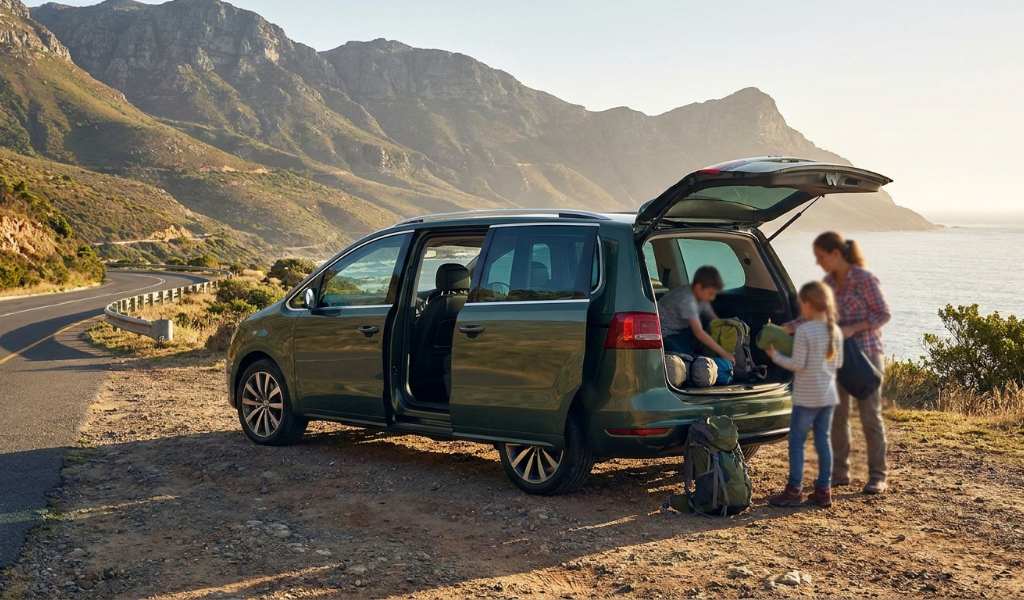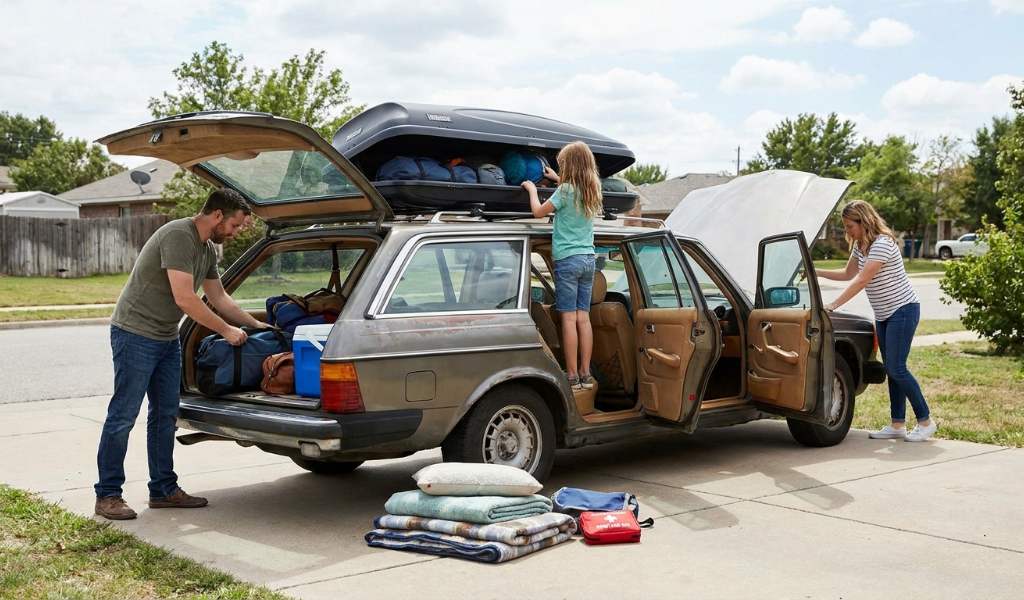
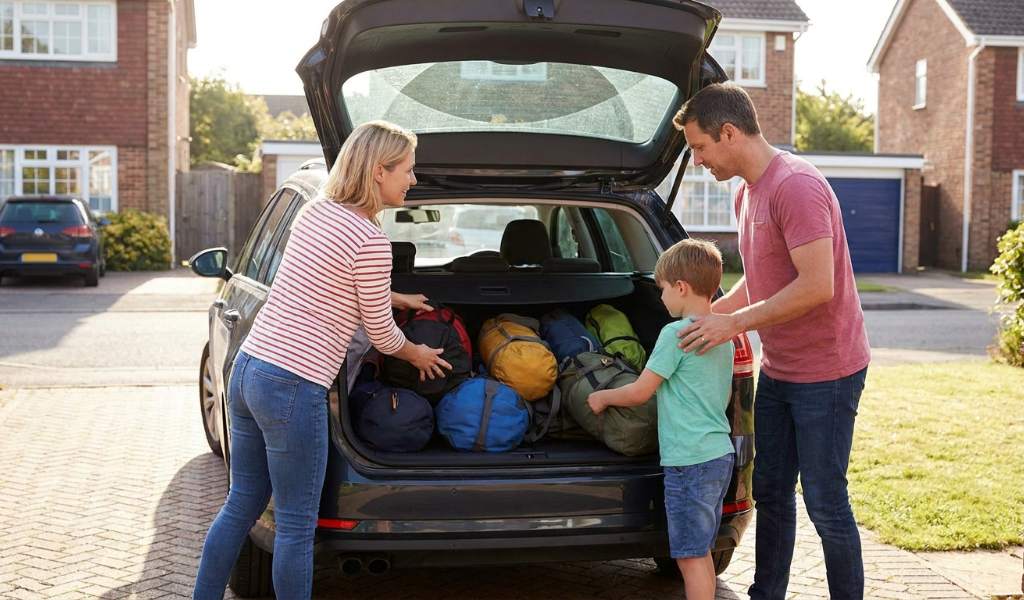
When packing a vehicle for a family trip, load heavy items first, keep essentials within reach, and use every inch of flat space. This order prevents shifting and keeps the cabin usable for passengers. A smart packing system saves real time at every stop.
Packing strategy matters just as much as the vehicle itself. A disorganized cargo area leads to wasted space and frustrated searching. A clear system turns a chaotic loading process into a quick, repeatable routine.
This guide breaks down exactly how to pack efficiently. It covers loading order, space maximization, organizers, and common mistakes to avoid. Each section focuses on practical steps you can use before your next trip.
Packing Order: Heavy Items First
Heavy items belong on the bottom and toward the center of the cargo area. This keeps the vehicle balanced and prevents shifting during sharp turns. Coolers, large bags, and bulky equipment should go in first.
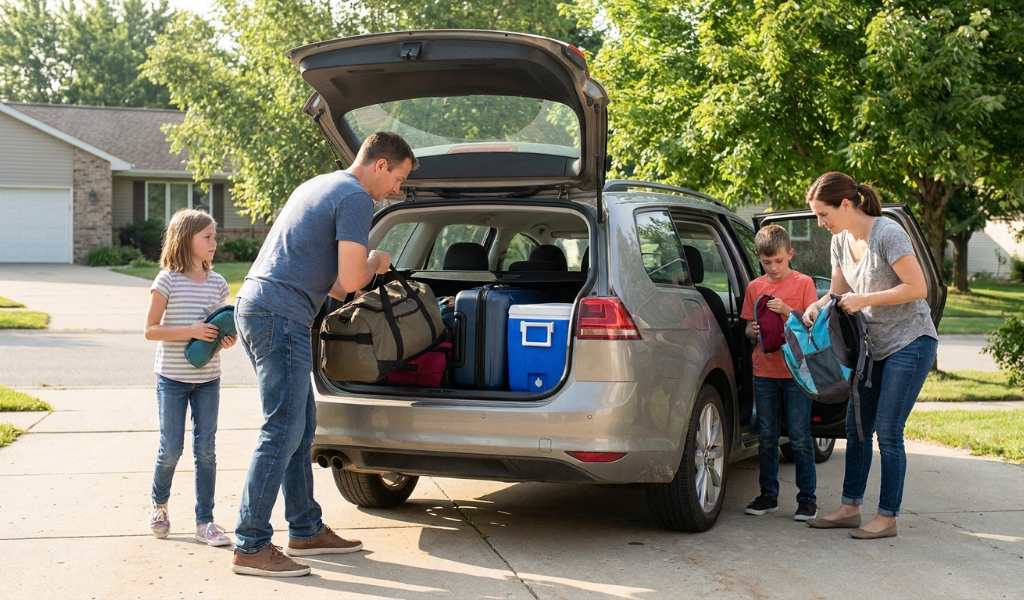
Medium-weight items fit well on top of the heavier base layer. Duffel bags and soft-sided luggage work well in this middle layer. They fill gaps around bulkier items without adding excess weight up high.
Lightweight and fragile items belong on top, away from pressure points. Items like hats, pillows, or electronics should sit where nothing can crush them. This order protects delicate items throughout the entire drive.
Distribute weight evenly from side to side as well as front to back. Uneven loading can affect handling, especially on winding roads. A balanced load also reduces strain on tires and suspension components.
Maximizing Trunk And Cabin Space
Soft-sided luggage packs more efficiently than hard-shell suitcases in most vehicles. Bags that compress slightly fill irregular gaps better than rigid cases. This small choice can meaningfully increase usable cargo space.
Vertical stacking works well when cargo area height allows for it. Standing items upright rather than laying them flat often saves significant space. This technique works especially well for duffel bags and soft coolers.
Use under-seat space for flat, low-profile items that would otherwise waste room above. Shoes, books, and flat games fit well in these overlooked spaces. This habit adds meaningful capacity without any extra equipment.
Fold-flat seats should be used strategically rather than automatically. Folding one seat instead of two can balance passenger comfort against cargo needs. Decide based on your actual passenger count for that specific trip.
Packing Cubes, Roof Boxes, And Organizers
Packing cubes compress clothing and organize items by person or category. This system makes unpacking at your destination significantly faster. Many families find cubes reduce overall luggage volume by a noticeable amount.
Roof boxes add substantial extra capacity for larger families or longer trips. They work best for lightweight, bulky items like bedding or seasonal gear. Keep heavier items inside the cabin for better vehicle balance.
Cargo nets and dividers prevent items from sliding or tipping during the drive. These simple tools keep groceries upright and luggage from shifting into passenger space. Many vehicles include built-in anchor points for this purpose.
Trunk organizers with multiple compartments help separate categories of items. Snacks, tools, and emergency supplies each get their own accessible section. This system prevents digging through a jumbled trunk at rest stops.
What To Keep Within Reach For Kids
Snacks, wipes, and entertainment should stay accessible without digging through bags. A small bag within arm’s reach of the back seat works well for this. Save deep storage for items you only need at the destination.
A designated door pocket or seatback pouch per child reduces mid-drive conflicts. Each child having their own space cuts down on reaching across the cabin. This small system prevents many common backseat arguments.
Pack a spill kit with wipes and a small towel in an easily reachable spot. Accidents happen more often on long drives than most parents expect. Quick access prevents a small spill from becoming a bigger mess.
Motion sickness remedies should stay within easy reach rather than packed away. Ginger chews, bags, and a favorite comfort item all belong up front. Addressing symptoms quickly keeps a difficult moment from ruining the whole trip.
Common Packing Mistakes To Avoid
Overpacking is the most common mistake families make before a trip. Pack based on your actual itinerary rather than every possible scenario. A shorter packing list often makes the whole trip easier to manage.
Blocking rear visibility with stacked cargo creates a real safety risk. Keep items below the window line or secured where they cannot shift. This simple rule protects everyone in the vehicle, not just the driver.
Forgetting to weigh overall cargo against your vehicle’s limits can cause handling issues. Check your owner’s manual for maximum cargo weight recommendations. Overloading affects braking distance and overall vehicle control.
Packing without a system wastes time at every single stop along the route. A loose pile of bags means searching through everything for one item. Even a basic system saves meaningful time across a multi-day trip.
Building A Repeatable Packing Routine
A consistent packing system turns a stressful task into a quick routine. Use the same loading order and organizers on every trip. Over time, this routine becomes second nature for the whole family.
Even the best vehicle for family of 5 needs smart packing to maximize its available space. A well-chosen vehicle still benefits from a thoughtful loading system. The two habits work together to make every trip smoother.
Frequently Asked Questions
What is the best order to pack a vehicle for a family trip?
Load heavy items first, medium-weight items next, and lightweight or fragile items on top.
How can I maximize cargo space in a family vehicle?
Use soft-sided luggage, pack vertically where possible, and fill under-seat space with flat items.
What should stay within reach for kids during a road trip?
Snacks, wipes, entertainment, and motion sickness remedies should stay within easy arm’s reach.
Are packing cubes worth using for family road trips?
Yes, packing cubes compress clothing and organize items, making loading and unpacking much faster.
What is a common mistake families make when packing a vehicle?
Overpacking and blocking rear visibility are two of the most common and avoidable mistakes.

Thomas Walker is an accomplished writer with expertise in the basics of car accessories. With a keen eye for detail, Thomas has established himself as an authority on the subject, with a passion for all things automotive. Based in Jasper, Thomas is dedicated to providing readers with the information they need to make informed decisions when it comes to their car accessories.