
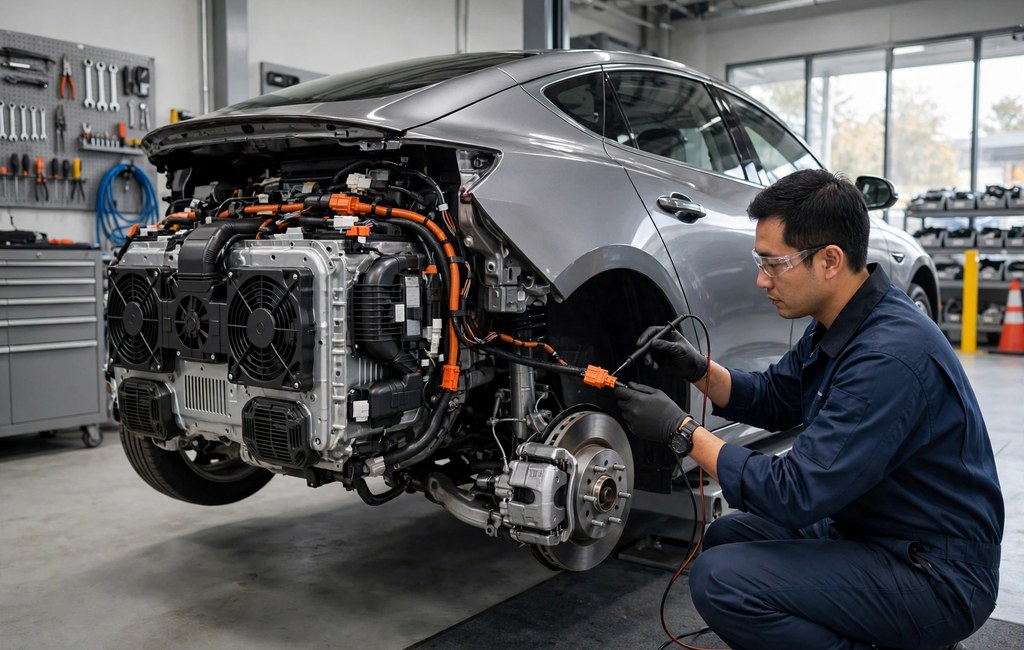
Hybrid maintenance focuses on battery care, cooling checks, and familiar routine engine service. However, its battery, cooling, and braking systems follow a different rhythm. Therefore, steady attention protects battery health and supports long-term reliability.
First, most engine, tire, and fluid tasks remain familiar to any driver. In addition, the electric side adds cooling fans, filters, and inverter coolant. Meanwhile, regenerative braking slows pad wear yet creates new inspection needs.
So this guide walks through each system in a simple ownership rhythm. Then you can follow the manufacturer’s schedule without guessing at intervals. In short, small checks today prevent larger hybrid problems later on.
Do Hybrid Cars Require Different Maintenance?
In many ways, an automatic hybrid car still needs oil changes, tire rotations, and fluid checks. However, its high-voltage battery and power electronics need specialized inspection routines. Therefore, technicians check electrical connections, cooling parts, and system warnings carefully.
First, the engine still burns fuel and needs clean oil and filters. Similarly, tires, suspension parts, and lights follow ordinary inspection habits. Yet the hybrid parts add tasks that conventional cars never require.
In short, the differences stay manageable when owners keep a routine. For example, each visit can confirm cooling, brakes, fluids, and warnings. Simple hybrid battery care starts with clean cooling vents.
How to Maintain Hybrid Battery Health
First, drive the car regularly so the battery stays active. Meanwhile, long storage can let the charge drift toward harmful extremes. Therefore, owners should avoid leaving it parked full or empty.
Also, gentle driving habits reduce stress on the battery over time. For example, smooth acceleration lets the system share work more evenly. Consequently, the pack avoids repeated deep swings in its charge level.
- Regular driving: It keeps the battery cycling gently instead of sitting idle.
- Moderate charge: It avoids long storage at completely full or empty levels.
- Prompt attention: It treats warning messages seriously and books inspections without delay.
- Clean cooling paths: It keeps intake vents clear so airflow reaches the pack.
Next, keep the small auxiliary battery healthy through regular system checks. Indeed, weak auxiliary power can prevent the hybrid system from starting.
Why Hybrid Battery Cooling System Maintenance Matters
First, the battery generates heat during charging, discharging, and regenerative braking. However, excess heat gradually weakens cells and shortens useful battery life. Therefore, the cooling system protects both performance and long-term reliability. Consistent hybrid battery care prevents early capacity loss.
Specifically, a fan draws cabin air through a filter in many designs. Still, dust, lint, and pet hair gradually clog that filter. As a result, the fan works harder while moving less air. In addition, blocked intake vents starve the pack of cooling airflow.
Meanwhile, some designs use liquid cooling around the battery pack. Then technicians inspect hoses, levels, and leaks during scheduled hybrid services. In addition, clean filters help that airflow stay steady and even.
How Regenerative Braking Affects Brake Maintenance
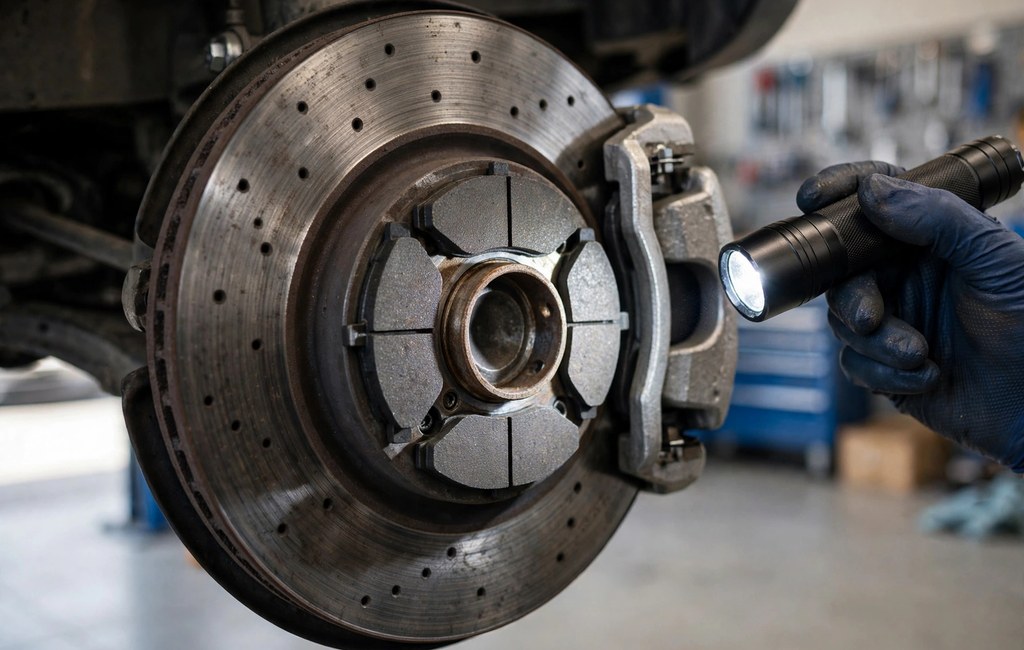
First, regenerative braking slows the car using the electric motor. As a result, it recovers energy and returns it to the battery. Therefore, friction brake pads usually wear much more slowly over time.
However, slower wear does not remove the need for inspections. In fact, lightly used brakes can develop surface corrosion between services. Similarly, caliper slides and pins can stiffen when movement stays limited.
Also, brake fluid still absorbs moisture as months pass by. Consequently, technicians should test fluid condition and inspect every corner. For instance, occasional firm braking safely helps clean disc surfaces. Hybrid battery care also includes software updates at service.
Engine Oil, Cooling, and Hybrid Battery Care Checks
First, engine oil still lubricates an engine that starts and stops often. However, frequent restarts make clean oil and correct levels especially important. Therefore, owners should follow the manual for oil and filter changes.
Next, the engine coolant loop protects the gasoline engine from overheating. Meanwhile, the inverter uses a separate coolant loop for power electronics. In contrast, mixing these loops or fluids can cause serious damage.
Also, technicians inspect reservoirs, hoses, caps, and visible leaks carefully. Then they confirm each coolant level sits within its marked range. Overall, both loops deserve equal attention at every scheduled visit.
How Often Should Hybrid Components Be Inspected?
Overall, inspection timing follows the intervals in the owner’s manual. However, each manufacturer sets schedules around its own system design. Therefore, owners should never borrow intervals from another hybrid model. Owners practice hybrid battery care mostly through parking habits.
First, routine services usually include battery cooling and brake checks. In addition, technicians scan for stored warnings and software-related faults. Meanwhile, harsh heat, dust, or stop-and-go driving may justify earlier attention.
- At each visit: Ask for cooling fan and filter checks.
- Between visits: Watch the dashboard and note any new warnings.
- After storage: Drive the car and confirm normal hybrid operation returns.
Similarly, keeping written service records helps owners spot missed items quickly. Finally, consistent scheduling turns hybrid care into a predictable habit.
Signs of Hybrid Battery Deterioration
First, fuel economy may fall as the battery provides less assistance. As a result, the gasoline engine runs more often at low speeds. Meanwhile, the charge gauge may swing quickly between high and low.
Also, electric driving may feel shorter, weaker, or less consistent daily. However, a louder cooling fan can also signal growing heat stress. In fact, warning lights and reduced power demand prompt professional diagnosis.
Still, these signs can also point to other hybrid faults. Therefore, owners should book testing instead of assuming battery failure.
Frequently Asked Questions
Does hybrid battery care need special maintenance?
Overall, hybrids need ordinary engine care plus battery, cooling, and brake checks.
How can I extend my hybrid battery life?
First, keep cooling vents clear, drive regularly, and follow scheduled inspections.
How often should a hybrid battery be checked?
Therefore, have it checked at the intervals in the owner’s manual.
Do hybrid brake pads last longer?
Yes, regenerative braking reduces pad wear, but corrosion still needs inspection.
What are the signs of a failing hybrid battery?
For example, falling fuel economy, rapid gauge swings, and warning lights matter.
Conclusion
Overall, hybrid maintenance rewards a steady, system-by-system ownership routine. First, protect battery cooling, then watch brakes, fluids, and warning signs. Therefore, book your next scheduled inspection and start that routine today.

Thomas Walker is an accomplished writer with expertise in the basics of car accessories. With a keen eye for detail, Thomas has established himself as an authority on the subject, with a passion for all things automotive. Based in Jasper, Thomas is dedicated to providing readers with the information they need to make informed decisions when it comes to their car accessories.