The best vehicle for family of 5 is a three-row SUV or minivan with strong safety ratings and flexible seating. Minivans like the Honda Odyssey and Toyota Sienna lead for cabin space and comfort. Three-row SUVs such as the Kia Telluride suit families who want rugged styling with minivan-level room.
Choosing the right vehicle for five people involves more than counting seats. Safety ratings, cargo room, and fuel costs all shape daily life. A family of five also needs space for car seats, sports gear, and luggage on long trips.
This guide walks through every factor that matters. It covers budget, storage, electric options, and road trip readiness. Each section builds toward one goal: helping you choose a vehicle that fits your family for years, not just this season.
What Makes A Vehicle Right For A Family Of 5
Five passengers change the math on every vehicle decision. Two parents and three kids need real shoulder room, not just five seatbelts. A tight back row causes fights, discomfort, and distraction on every drive.
Safety ratings matter most once seating is settled. Look for top scores from crash-test programs before anything else. A high rating means less risk during the everyday drives that add up over years.
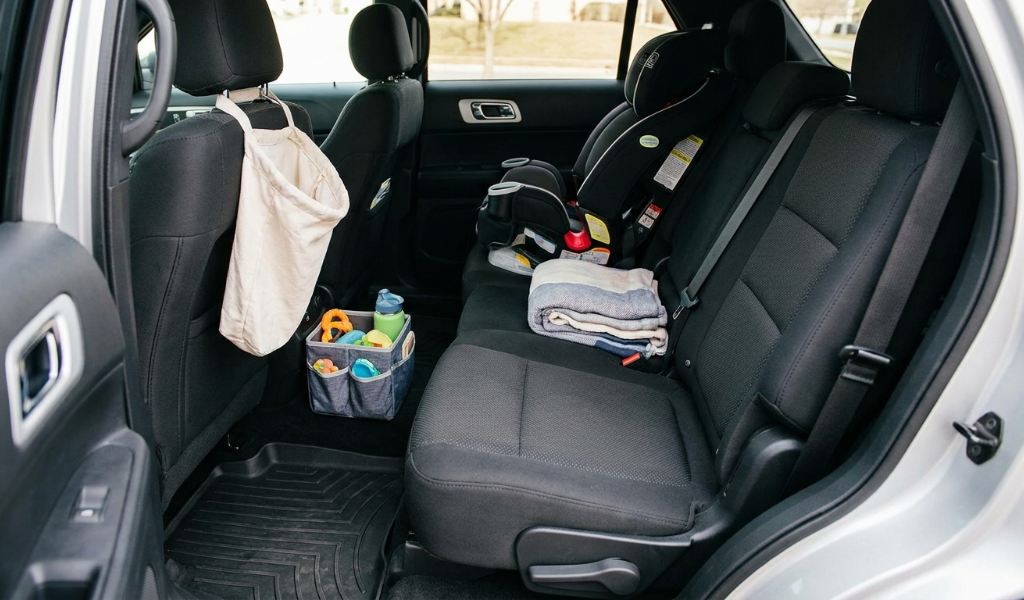
Three-across car seat fit deserves a test before you buy. Bring actual boosters or car seats to the dealership lot. Many midsize SUVs look spacious but fail this test once seats are buckled in.
Legroom and headroom in the third row matter just as much as the front. Kids grow fast, and a cramped back row becomes useless within a year or two. Measure actual inches rather than trusting marketing photos.
Many parents searching for the most cheap vehicle for family of 5 options start their research here. Safety and comfort should not be a trade-off for a lower price tag. Several budget-friendly models still deliver strong crash protection and usable space.
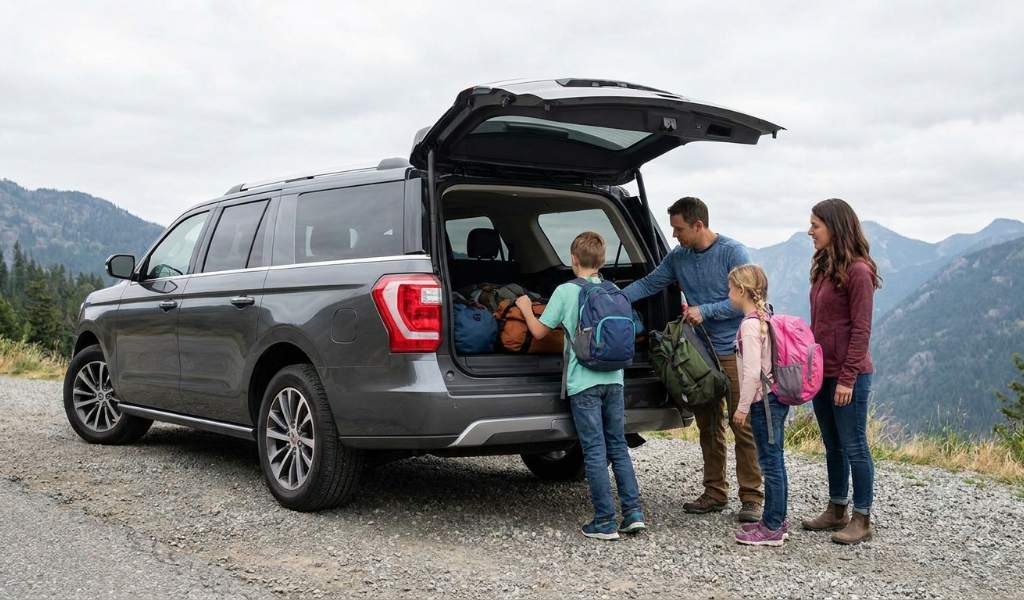
Consider these core factors before narrowing your list:
- Seating: confirm three-across fit for your specific car seats
- Safety: check crash ratings from independent testing agencies
- Space: measure second and third row legroom in person
- Visibility: test blind spots with a rear-facing seat installed
- Access: check how easily kids can climb into the third row
Child Safety Tech Worth Checking
Modern safety tech goes well beyond airbags and crash ratings. Rear occupant alerts remind parents to check the back seat before walking away. This feature has prevented serious tragedies in hot weather.
Blind-spot monitoring becomes more valuable with a loaded third row blocking rear visibility. Parking sensors and a 360-degree camera also help during tight school pickup lines. These features reduce daily stress as much as they improve safety.
Top Vehicle Categories Compared
Four vehicle categories dominate the family-of-five search. Minivans, three-row SUVs, large sedans, and crossover EVs each solve the problem differently. Understanding their trade-offs helps you narrow the field quickly.
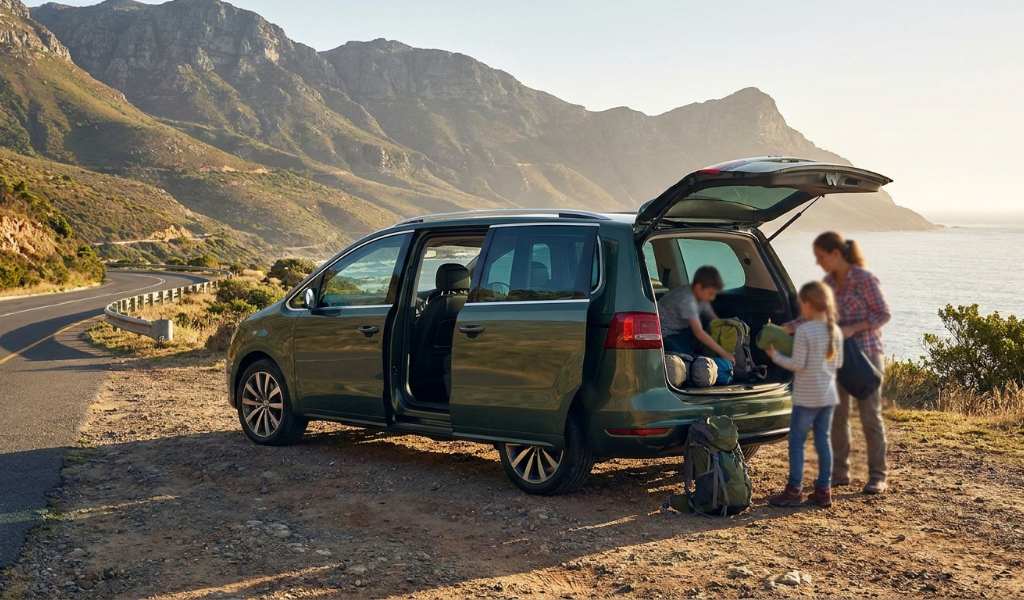
Minivans remain the space champions of the segment. Sliding doors make loading kids and gear easier in tight parking lots. Fold-flat seats turn the cabin into a cargo van within seconds.
Three-row SUVs trade some interior volume for styling and ground clearance. They tow more and handle light off-road trips better than most minivans. Families who want a rugged look often choose this category first.
Large sedans still work for some families of five, though space is tighter. They cost less to fuel and insure than SUVs or minivans. However, third-row sedans are rare, so this option usually means a tight three-across back seat.
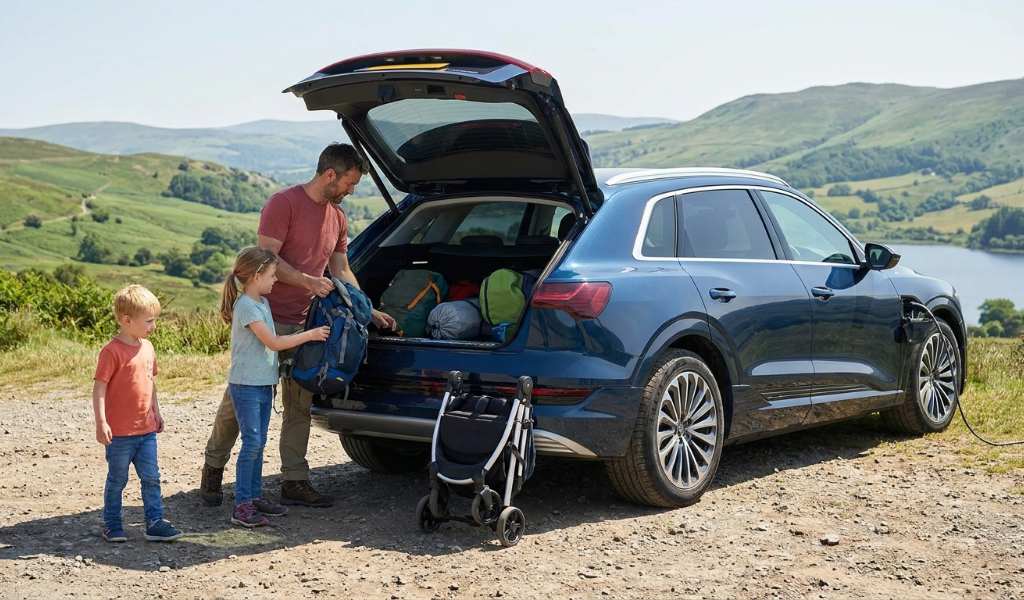
Crossover EVs are a newer but fast-growing choice. Quiet cabins and instant torque make daily driving smoother for parents. Many offer frunk storage that adds extra cargo room up front.
Category Comparison At A Glance
| Category | Cargo Space | Fuel Cost | Best For |
| Minivan | Highest | Moderate | Daily hauling and gear |
| Three-row SUV | High | Moderate to high | Towing and rugged trips |
| Large sedan | Low | Lowest | Budget-focused families |
| Crossover EV | Moderate to high | Lowest per mile | Low running costs |
Each category serves a different lifestyle rather than a fixed budget tier. A minivan suits families who prioritize interior flexibility above all else. An SUV suits those who want higher seating and occasional towing capability.
Budget And Affordability Breakdown
Budget shapes nearly every family vehicle decision. Purchase price is only the starting point of the real cost. Insurance, fuel, and maintenance add up fast over several years of ownership.
Entry-level family vehicles typically start in the compact three-row or used minivan range. These models cover the core needs of safety and space. They often lack premium tech but still protect your family well.
Mid-range options add driver-assist features and nicer interiors. This tier suits families who want extra comfort on long commutes. Expect better infotainment, heated seats, and improved sound insulation at this level.
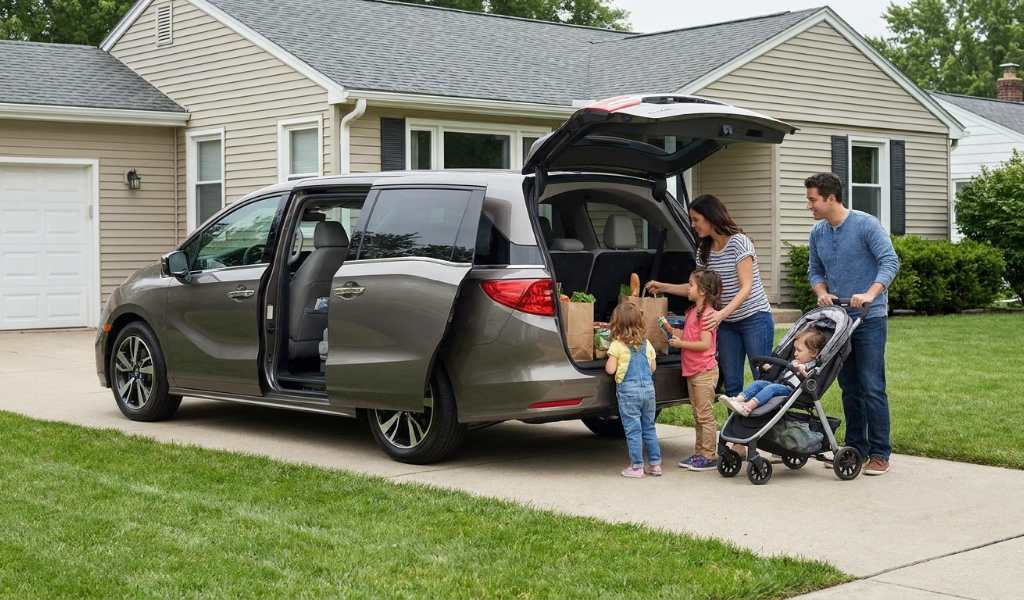
Premium vehicles bring luxury materials, advanced safety tech, and stronger towing capacity. Families who road trip often or tow trailers may find this tier worthwhile. The extra cost buys comfort rather than core safety.
If budget is the deciding factor, the most affordable vehicle for family of 5 needs usually falls in the compact three-row SUV or used minivan segment. These vehicles balance low purchase price against real passenger comfort. Certified pre-owned models often deliver this balance even better than new budget trims.
New Versus Certified Pre-Owned
New vehicles carry full warranties and the latest safety tech. Certified pre-owned models cost less while still including inspection and limited warranty coverage. Many families find the certified route delivers more features for the same monthly payment.
Consider these cost factors beyond the sticker price:
- Insurance: SUVs and minivans often cost more to insure than sedans
- Fuel: compare city and highway mpg for your typical driving mix
- Maintenance: check average repair costs for the specific model year
- Depreciation: minivans typically hold value better than large sedans
Storage And Cargo Capacity For Growing Families
Cargo space often decides the final choice for busy families. Strollers, sports bags, and grocery runs fill a trunk faster than expected. A vehicle that looks roomy empty can feel cramped once loaded.
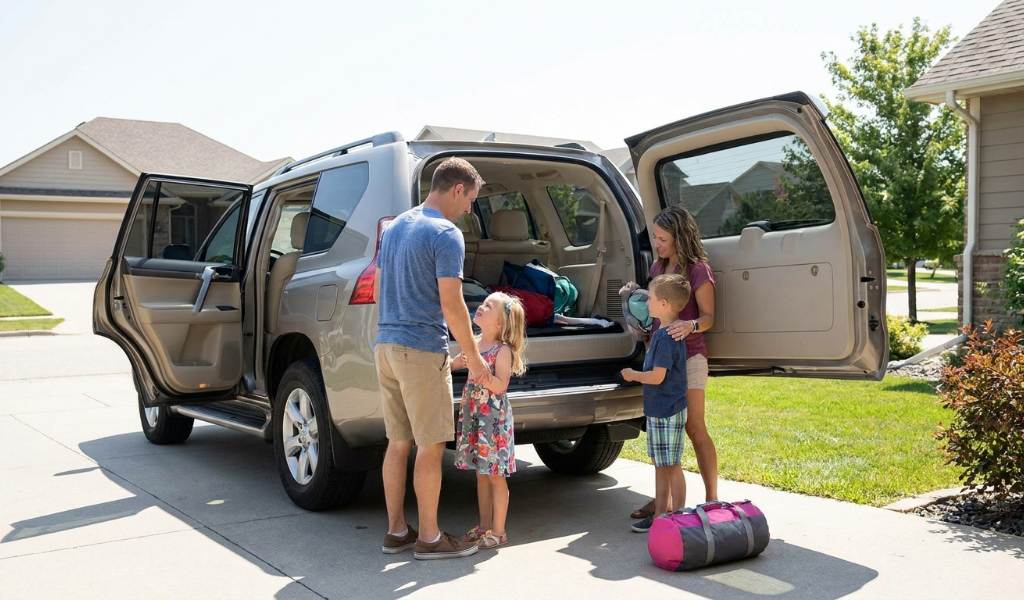
Start by listing your regular cargo needs before comparing specs. A double stroller alone can take up most of a small trunk. Add soccer gear, luggage, and a stocked diaper bag to see the real picture.
Fold-flat second and third rows add major flexibility for larger loads. Some vehicles offer a flat load floor when both rows fold down. This feature matters for furniture runs or long weekend trips.
Underfloor storage compartments are a smart feature to check during test drives. These hidden spaces keep valuables out of sight and organize smaller items. Many SUVs and minivans now include this at little extra cost.
Families comparing options for the best vehicle for family with storage usually land on minivans first. Sliding doors and deep rear cargo wells make loading simple in tight spaces. Roof rails also add flexibility for bikes or seasonal gear.
Storage Accessories Worth Adding
A cargo organizer keeps loose items from sliding during turns. Roof boxes add significant volume for road trips without crowding the cabin. Seatback organizers free up floor space for kids’ feet and toys.
Measure cargo volume in both seats-up and seats-down configurations. The seats-up number matters most for daily errands and school pickups. The seats-down number matters more for road trips and larger purchases.
How To Measure Your Actual Cargo Needs
Bring your real gear to a test drive rather than guessing from memory. Load a stroller, a few duffel bags, and a cooler into the cargo area. This hands-on test reveals more than any spec sheet comparison.
Think about seasonal shifts in your cargo needs as well. Winter sports gear and holiday luggage often require more room than summer trips. Choose a vehicle that comfortably handles your heaviest typical load, not just your average one.
Electric And Hybrid Options For Families
Electric and hybrid vehicles are no longer a niche choice for families. More automakers now offer three-row electric SUVs with real passenger space. Running costs often beat gas models once home charging is factored in.
Range anxiety sounds scarier than it usually is for daily family life. Most family driving involves school runs, errands, and short commutes. A typical electric SUV easily covers these trips on a single charge.
Road trips require more planning with an electric vehicle than a gas one. Mapping charging stops along your route avoids delays with tired kids in the back seat. Many newer models now offer fast charging that adds significant range in under thirty minutes.
The advantages of electric vehicle suv for family use go beyond fuel savings. Quiet cabins reduce stress on long drives with sleeping children. Instant torque also makes merging and passing safer and smoother.
Home charging changes the daily routine for the better. Plugging in overnight means starting each morning with a full charge. This removes regular gas station stops from a busy family schedule entirely.
Hybrid As A Middle Ground
Hybrid SUVs offer strong fuel savings without any charging logistics. They suit families who road trip often or lack home charging access. Many hybrid three-row models now match gas versions in cargo and seating space.
Consider total cost of ownership rather than sticker price alone. Lower fuel and maintenance costs can offset a higher upfront price over several years. Tax incentives in many regions also reduce the effective purchase cost further.
Road Trips: Choosing And Using Your Vehicle
Long drives test a vehicle in ways daily commutes never do. Hours in the car reveal seat comfort, noise levels, and climate control quality quickly. The right choice here prevents a miserable trip for everyone involved.
Comfort features matter more than horsepower on long drives. Look for adjustable lumbar support and ventilated seats for warm climates. Rear climate controls also keep kids comfortable without constant requests from the front.
Infotainment systems should support each passenger separately where possible. Rear-seat entertainment screens or device mirroring keep kids occupied for hours. A strong sound system also helps drown out road noise on the highway.
Driver-assist features reduce fatigue on multi-hour drives significantly. Adaptive cruise control and lane-keeping assist ease the mental load of long stretches. These features matter most when you are evaluating the best vehicle for family of 5 overall, not just for occasional trips.
Fuel range and tank size affect how often you stop. A larger tank means fewer breaks, which matters with young kids who nap. Compare real-world range rather than relying only on the advertised figure. Families searching for the best road trip vehicle for family use often weigh this range figure above all else.
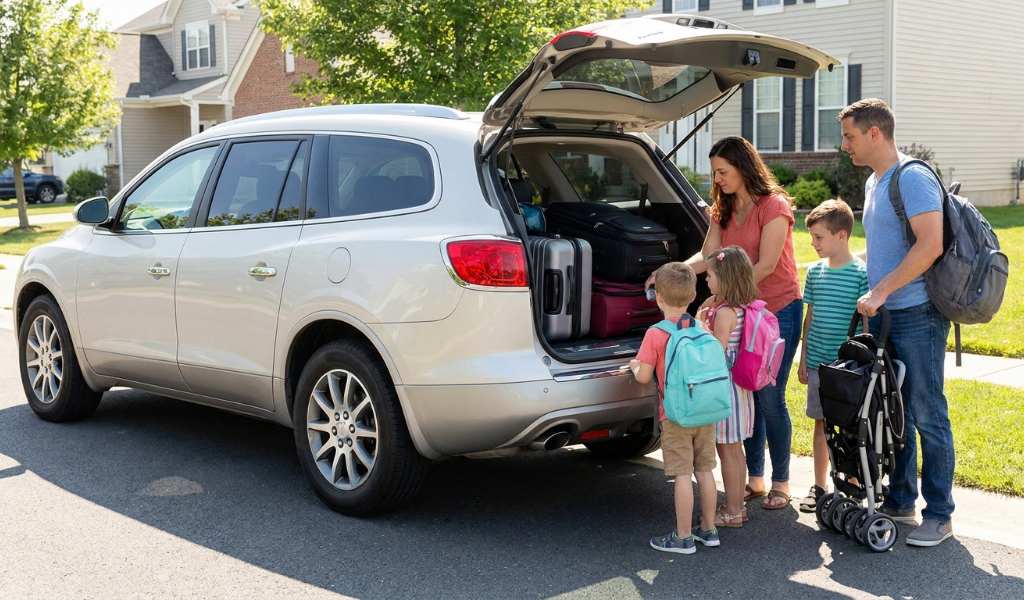
Top Road Trip Priorities
Rank these features based on your typical trip length and route:
- Seat comfort: adjustable support for multi-hour stretches
- Climate zones: separate controls for front and rear passengers
- Entertainment: screens or device mirroring for rear passengers
- Range: fuel or charge range matched to your usual routes
- Noise: cabin insulation quality for highway driving
Planning Stops Around Your Family’s Rhythm
Plan fuel or charging stops around nap times rather than fighting against them. A stop that lines up with a nap transition causes less disruption overall. This small planning step can save hours of frustration on a long travel day.
Build in buffer time for unplanned breaks with young kids. Bathroom needs and sudden meltdowns rarely follow a tight schedule. A flexible plan keeps the trip enjoyable rather than stressful for everyone involved.
Preparing And Packing For Family Travel
A great vehicle still needs proper preparation before a long trip. Skipping basic checks can turn a fun getaway into a roadside headache. A short pre-trip routine prevents most common travel problems.
Start with the mechanical basics a week before departure. Check tire pressure, tread depth, and fluid levels across the board. A quick inspection catches small issues before they become expensive ones on the road.
Good vehicle prep for family road trip travel also includes checking car seats and boosters. Confirm each seat is still properly installed and within its expiration date. Test seatbelts and buckles to ensure smooth, quick access for tired kids.
Packing strategy matters just as much as the vehicle itself. Heavy items belong on the bottom and toward the center of the cargo area. This keeps the vehicle balanced and prevents shifting during sharp turns.
When packing a vehicle for a family trip, keep frequently used items within easy reach. Snacks, wipes, and entertainment should stay accessible without digging through bags. Save deep storage for items you only need at the destination.
A Simple Pre-Trip Checklist
Run through this list the night before any long drive:
- Tires: check pressure and inspect for visible wear
- Fluids: confirm oil, coolant, and washer fluid levels
- Seats: verify car seat installation and seatbelt function
- Emergency kit: pack a flashlight, first aid kit, and jumper cables
- Snacks: stock easy-access food and water for the whole family
Keeping The Vehicle Clean And Resale Ready
A clean vehicle for family use is easier to enjoy every single day. Spilled juice, crumbs, and muddy shoes build up fast with young kids. Regular cleaning habits keep the cabin pleasant and protect long-term value.
Daily habits reduce mess before it becomes a bigger problem. Keep a small trash bag clipped to a seatback for wrappers and tissues. Wipe down surfaces weekly rather than letting spills set into the upholstery.
Choose cleaning products suited to your seat material. Fabric seats need a gentle upholstery cleaner and a soft brush. Leather seats require a dedicated conditioner to prevent cracking over time.
Set a simple deep-cleaning schedule to stay ahead of buildup. A weekly vacuum, monthly wipe-down, and seasonal deep clean cover most needs. This rhythm keeps dirt from settling permanently into seams and carpet fibers.
Stain and odor removal works best when handled quickly. Blot spills immediately rather than rubbing them into the fabric. Baking soda left overnight helps absorb lingering odors from snacks or wet shoes.
Why Cleanliness Protects Resale Value
A well-maintained interior signals careful ownership to future buyers. Stained seats and lingering odors can lower a trade-in offer significantly. Regular cleaning protects both daily comfort and the vehicle’s eventual resale price.
Buying Process: New, Used, Leasing, And Financing
The buying process shapes how much vehicle you actually get for your money. New, used, leasing, and financing each suit different family situations. Understanding the trade-offs helps you avoid overspending or under-buying for your needs.
Buying new gives full warranty coverage and the newest safety technology. This route costs more upfront but reduces worry about hidden mechanical issues. Families who keep vehicles for a decade often find this the better long-term value.
Buying used saves money immediately but requires more careful research. Always request a vehicle history report before finalizing any used purchase. A pre-purchase inspection by an independent mechanic can reveal issues a listing will not.
Leasing suits families who prefer lower monthly payments and frequent upgrades. This option works well if your mileage stays within typical lease limits. However, leasing rarely makes sense for families who drive long distances often.
Financing terms affect your total cost more than many buyers realize. A longer loan term lowers monthly payments but increases total interest paid. Shop multiple lenders before accepting a dealership’s first financing offer.
Questions To Ask Before Signing
Walk through these questions with any seller or lender:
- History: has the vehicle been in any reported accidents
- Warranty: what coverage remains and what voids it
- Interest rate: how does it compare to other lenders
- Total cost: what is the full price including interest and fees
Trade-In Considerations
A trade-in can meaningfully offset the cost of your next vehicle. Research your current vehicle’s value before visiting any dealership. Clean, well-maintained vehicles consistently earn higher trade-in offers than neglected ones.
Get quotes from multiple sources before accepting a dealer’s first number. Online valuation tools and competing dealerships both provide useful leverage. A little research here often saves hundreds of dollars on your next purchase.
Top Vehicle Recommendations
These picks represent strong choices across categories and budgets. Each one balances safety, space, and value differently. Match the pick to your family’s specific priorities.
Honda Odyssey
The Odyssey remains a benchmark for minivan practicality. It offers excellent cargo room and a comfortable ride for long trips. Families who prioritize space above all else often choose this model first.
Toyota Sienna
The Sienna pairs minivan space with strong hybrid fuel economy. It suits families who want lower running costs without sacrificing room. Reliability ratings for this model also remain consistently strong.
Kia Telluride
The Telluride delivers SUV styling with nearly minivan-level interior space. It handles light towing and rougher terrain better than most minivans. Families who want a rugged look often land here.
Hyundai Palisade
The Palisade offers a quiet, well-equipped cabin at a competitive price. It includes strong driver-assist features even on mid-level trims. This model suits families focused on comfort and value together.
Chevrolet Suburban
The Suburban suits larger families who need maximum cargo and towing capacity. Its massive cargo hold handles gear that smaller SUVs cannot. Fuel costs run higher, so budget-focused families should weigh this carefully.
Tesla Model Y
The Model Y offers a budget-friendly entry into electric family driving. Its frunk and rear cargo area add useful storage despite a compact footprint. Families focused on low running costs often shortlist this model.
Kia EV9
The EV9 brings three-row seating to the electric SUV segment. It combines real passenger space with strong range for daily driving. This model suits families ready to commit fully to electric ownership.
Toyota Highlander
The Highlander balances a car-like ride with usable three-row seating. It suits families who want SUV styling without a bulky, truck-based platform. Reliability and resale value both remain strong points for this model.
Chrysler Pacifica
The Pacifica offers a plug-in hybrid option alongside its traditional gas minivan. This gives families a path to lower fuel costs without leaving the minivan segment. Its stow-and-go seating also adds flexibility that few competitors match.
Frequently Asked Questions
What is the best vehicle for family of 5?
A three-row SUV or minivan with strong safety ratings and flexible seating works best for most families.
Is a minivan or SUV better for a family of 5?
Minivans offer more interior space, while SUVs offer more towing capacity and rugged styling.
What is the most affordable vehicle for a family of 5?
Compact three-row SUVs and used minivans typically offer the lowest total cost of ownership.
Are electric SUVs good for families of 5?
Yes, electric SUVs now offer strong range, quiet cabins, and real three-row passenger space.
How much cargo space does a family of 5 need?
Most families need at least 40 cubic feet behind the second row for daily gear and groceries.
Conclusion
Choosing the best vehicle for family of 5 comes down to matching the vehicle to your real daily life. Weigh safety, space, budget, and running costs together rather than chasing one factor alone. The right pick supports years of school runs, road trips, and weekend errands without constant compromise.
Start by testing three-across car seat fit and cargo space in person. Compare total ownership costs, not just the sticker price, across your shortlist. Take your top two or three picks for a real test drive with your whole family before deciding.

Thomas Walker is an accomplished writer with expertise in the basics of car accessories. With a keen eye for detail, Thomas has established himself as an authority on the subject, with a passion for all things automotive. Based in Jasper, Thomas is dedicated to providing readers with the information they need to make informed decisions when it comes to their car accessories.