When purchasing a vehicle, safety should be one of your top priorities. Evaluating a car’s safety rating can help you make an informed decision and ensure that you and your passengers are well protected on the road. Here’s a comprehensive guide on how to assess a car’s safety rating before making a purchase.
A Comprehensive Guide
Understand Safety Ratings
What Are Safety Ratings?
Safety ratings are assessments of a vehicle’s ability to protect its occupants in the event of a crash. Various organizations conduct these tests, evaluating factors such as crashworthiness, crash avoidance, and the presence of advanced safety features.
Key Organizations
National Highway Traffic Safety Administration (NHTSA): The NHTSA rates vehicles on a scale of 1 to 5 stars based on their crash test performance.
Insurance Institute for Highway Safety (IIHS): The IIHS conducts rigorous crash tests and assigns ratings such as “Good,” “Acceptable,” “Marginal,” or “Poor.” They also evaluate vehicle features like headlights and front crash prevention.
Research Safety Ratings
Online Resources
NHTSA Website: Visit the NHTSA’s official website to access their comprehensive database of safety ratings. You can search by make, model, and year to find the specific vehicle you’re considering.
IIHS Website: The IIHS offers detailed information on crash test results and safety features for various vehicles. Their website also provides ratings for specific aspects, such as side-impact protection and roof strength.
Look for Recent Ratings
Safety ratings can change with new models or updates, so ensure you are looking at the most recent ratings for the specific year and model you are interested in.
Consider Crash Test Results
Crashworthiness
Look for the vehicle’s performance in different types of crash tests:
Frontal Crash Test: Evaluates protection in a head-on collision.
Side Crash Test: Assesses how well the vehicle protects occupants in side-impact collisions.
Rollover Test: Measures the likelihood of a vehicle rolling over in a crash.
High ratings in these tests indicate better crash protection.
Advanced Safety Features
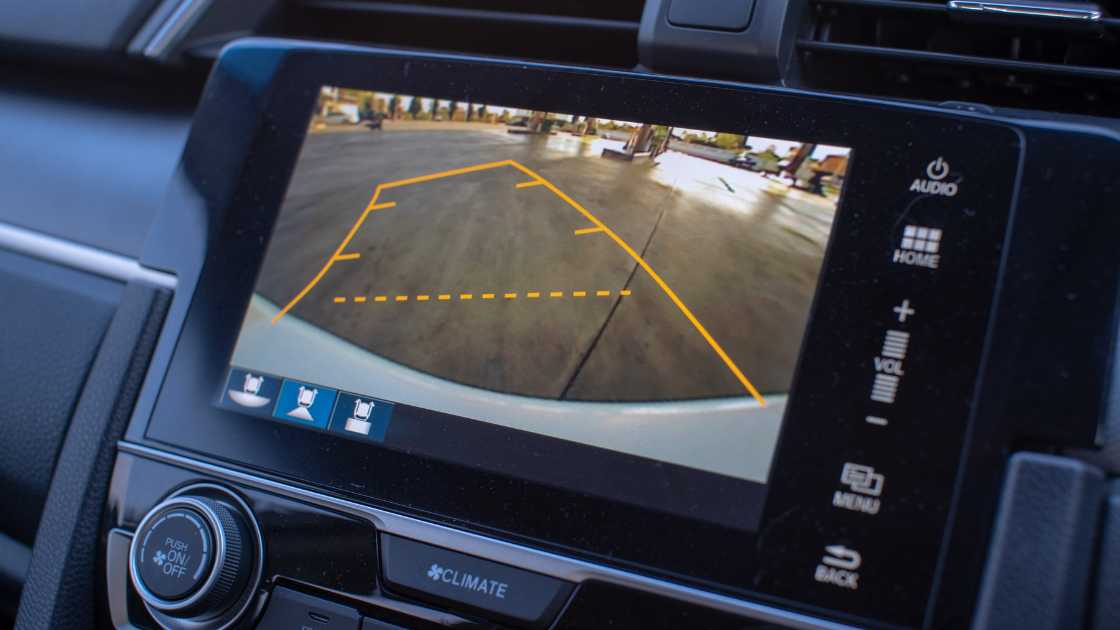
Investigate the availability of advanced safety technologies, such as:
Automatic Emergency Braking (AEB)
Blind Spot Monitoring
Lane Departure Warning
Adaptive Cruise Control
These features can significantly enhance overall safety and are often factored into safety ratings.
Read Expert and Consumer Reviews
Expert Reviews
Consult automotive experts and safety organizations for their insights on a vehicle’s safety. Websites like Consumer Reports and Car and Driver provide valuable information on safety performance, common issues, and overall reliability.
Consumer Feedback
Look for reviews from current owners regarding their experiences with the car’s safety features and performance in real-world situations. Platforms like Edmunds, Cars.com, and automotive forums can provide firsthand accounts.
Check Recalls and Safety Issues
Vehicle Recalls
Search for any recalls associated with the car you’re considering. The NHTSA’s website has a dedicated section for recalls, allowing you to check if a specific model has had safety-related issues.
Historical Safety Problems
Research if the model has a history of safety problems or recalls. This information can indicate potential safety concerns that may affect your decision.
Test Drive and Assess Visibility
During the Test Drive
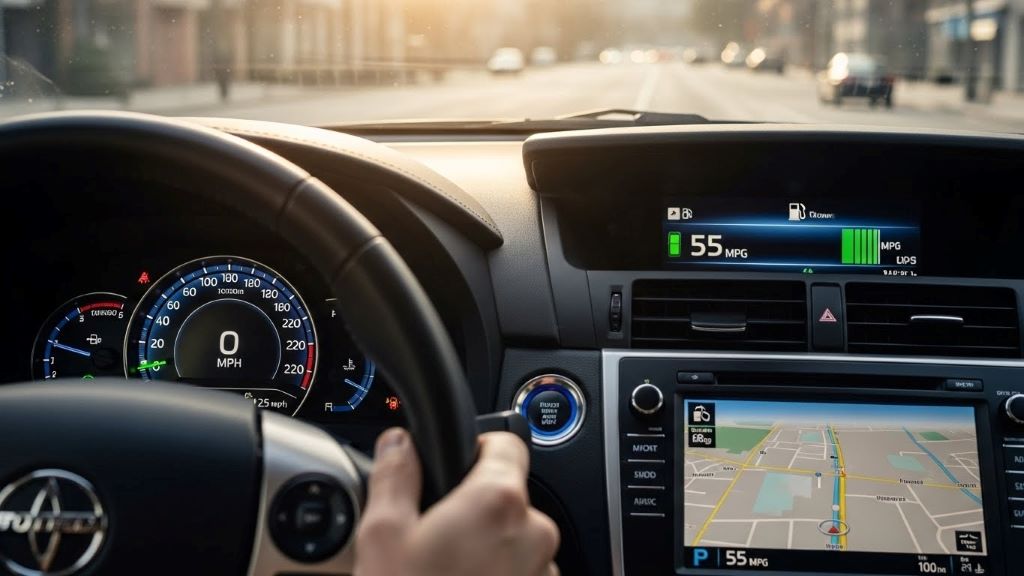
While a test drive is primarily about performance, use this opportunity to assess visibility. Ensure that you have a clear view of the road and surroundings, as poor visibility can impact safety.
Evaluate Safety Features
While driving, test the functionality of any advanced safety features available in the vehicle. Ensure they operate smoothly and enhance your driving experience.
FAQs
What organizations provide car safety ratings?
The two primary organizations that provide car safety ratings are the National Highway Traffic Safety Administration (NHTSA) and the Insurance Institute for Highway Safety (IIHS). The NHTSA uses a star rating system (1 to 5 stars), while the IIHS assigns ratings such as “Good,” “Acceptable,” “Marginal,” or “Poor” based on various crash tests and safety features.
How can I find out if a specific car has been recalled for safety issues?
You can check for recalls on the NHTSA’s official website by entering the make, model, and year of the vehicle. This site provides comprehensive information on any safety-related recalls associated with a specific car.
What specific safety features should I look for when evaluating a car’s safety rating?
When evaluating a car’s safety rating, look for advanced safety features such as Automatic Emergency Braking (AEB), Blind Spot Monitoring, Lane Departure Warning, and Adaptive Cruise Control. These technologies can enhance safety and are often considered during safety ratings assessments.
Conclusion
Evaluating a car’s safety rating is crucial for making an informed purchase. By researching safety ratings from trusted organizations, understanding crash test results, reading expert and consumer reviews, checking for recalls, and assessing visibility, you can choose a vehicle that prioritizes safety. With the right information and careful consideration, you can drive confidently, knowing you’ve made a safe choice for you and your passengers.

Thomas Walker is an accomplished writer with expertise in the basics of car accessories. With a keen eye for detail, Thomas has established himself as an authority on the subject, with a passion for all things automotive. Based in Jasper, Thomas is dedicated to providing readers with the information they need to make informed decisions when it comes to their car accessories.