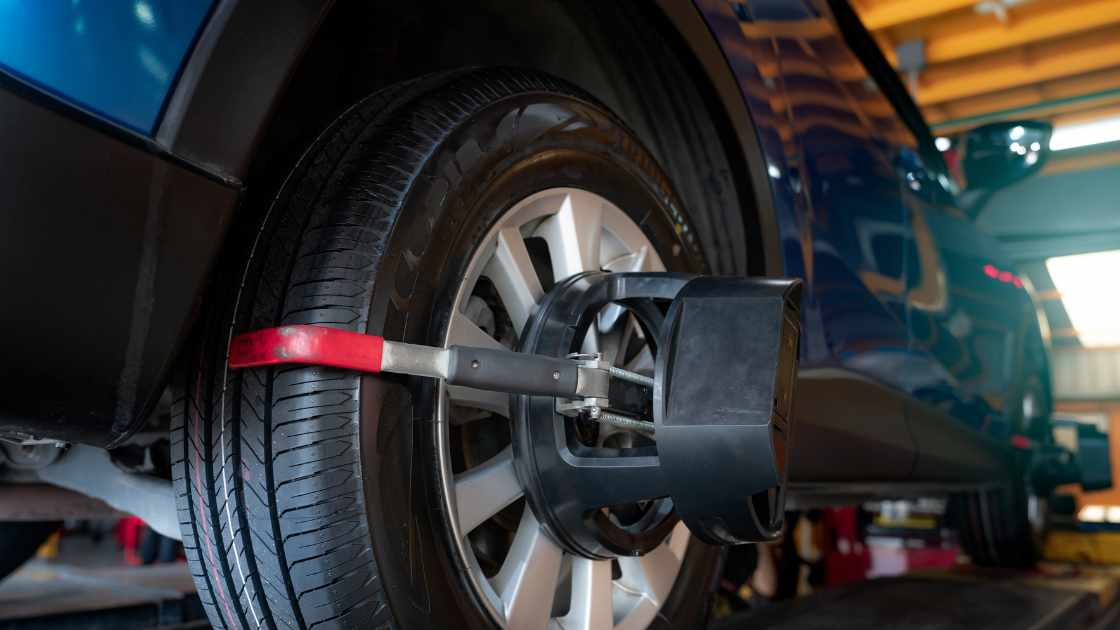

Rotating your tires regularly is an essential maintenance task to ensure your vehicle’s longevity and safety. For front-wheel drive cars, tire rotation is especially important because the front tires handle most of the car’s weight, steering, and braking forces, which leads to faster wear. In this article, we’ll walk you through how to rotate the tires on a front-wheel drive car, helping you save on tire replacement costs and ensure a smooth, safe ride.
Why Rotate Tires?
Before diving into the process, it’s important to understand why rotating your tires is necessary. Tires wear unevenly due to the distribution of weight and forces on your car. In a front-wheel-drive vehicle, the front tires bear most of the load, including engine weight and the stress of steering and braking. This causes the front tires to wear faster than the rear tires. Regular tire rotation ensures that all four tires wear evenly, promoting balanced handling, better fuel efficiency, and extending the lifespan of your tires.
When Should You Rotate Your Tires?
For most vehicles, including front-wheel drive cars, it’s recommended to rotate the tires every 6,000 to 8,000 miles. However, always consult your car’s manual for specific recommendations, as some vehicles may have different requirements.
Tools You Will Need:
A jack and jack stands (or a hydraulic lift)
A lug wrench or tire iron
A torque wrench
A chalk or marker (optional)
Step-by-Step Guide to Rotating Tires on a Front-Wheel Drive Car:
Prepare Your Vehicle
Ensure your car is on level ground, and engage the parking brake to prevent it from moving. Gather all the necessary tools and equipment. If you’re using a car jack, place wheel chocks behind the rear tires to prevent the car from rolling.
Loosen the Lug Nuts
Before raising the vehicle, use a lug wrench or tire iron to slightly loosen (but not remove) the lug nuts on all four wheels. You may need to apply a fair amount of pressure, so it’s easier to do this while the car is still on the ground. Loosening the lug nuts ensures they won’t be difficult to remove once the car is lifted.
Lift the Car
Use the jack to lift the front of the car, placing the jack under the designated lifting points (usually indicated in the car’s manual). Once the front end is lifted, securely place jack stands under the car to keep it steady while you work. If you’re working on all four tires, you may need to lift both the front and rear of the car.
Remove the Tires
Once the car is securely lifted, finish removing the loosened lug nuts and take off the front tires. Place them in a safe location where they won’t roll away.
Rotate the Tires
For a front-wheel drive vehicle, you should rotate the tires in the following pattern:
Front tires: Move the front tires to the rear, but do not switch sides. The left front tire stays on the left rear, and the right front tire stays on the right rear.
Rear tires: Move the rear tires to the front, crossing sides. The left rear tire should go to the right front, and the right rear tire should go to the left front.
This pattern ensures that both the front and rear tires wear evenly and that the most-used tires (the fronts) are swapped with the less-used rear tires.
Reinstall the Tires
Place each tire back onto its respective wheel hub, aligning the holes with the lug bolts. Hand-tighten the lug nuts as much as possible before lowering the car.
Lower the Car
Carefully lower the car back to the ground using the jack. Once it’s resting on the ground, remove the jack and stands.
Tighten the Lug Nuts
Using a torque wrench, tighten the lug nuts in a star or crisscross pattern. This ensures even pressure on the tire and wheel. Tighten each nut until you reach the manufacturer’s recommended torque specification, which can be found in the car’s owner manual.
Check Tire Pressure
After rotating the tires, it’s a good idea to check the tire pressure on all four tires. Tires can lose or gain air during rotation, so it’s essential to adjust the pressure to the recommended levels. This information is usually found on the driver’s side door jamb or in the owner’s manual.
Test Drive
Finally, take the car for a short test drive to make sure everything feels correct. Listen for any unusual noises or vibrations, and check that the car handles as expected.
Additional Tips:
Check for Uneven Wear: During the rotation, inspect the tires for signs of uneven wear, such as cupping, bald spots, or flat spots. If you notice any issues, it might be time to replace the tires or check your alignment.
Alignment Check: If you notice unusual wear patterns (like excessive wear on the inside or outside edges), your vehicle may need an alignment. Misalignment can lead to premature tire wear and handling issues.
Tire Condition: Rotate your tires regularly, but also check the tread depth and overall condition of the tires. If any tire is damaged or worn down, replace it immediately to avoid safety risks.
FAQs
How often should I rotate the tires on a front-wheel-drive car?
It’s recommended to rotate the tires every 6,000 to 8,000 miles, but always check your car’s manual for specific intervals based on your vehicle’s needs.
What’s the correct tire rotation pattern for a front-wheel-drive car?
For front-wheel-drive vehicles, move the front tires to the rear without switching sides, and cross the rear tires to the front (left rear to right front, right rear to left front).
Can I rotate my tires without a jack stand?
No, it’s essential to use a jack stand to safely support the car while you work. Never rely on just the jack to hold the vehicle in place during tire rotation.
Conclusion
Rotating the tires on your front-wheel-drive car is a simple, yet crucial task to ensure your tires wear evenly, improving both the longevity of your tires and the performance of your car. By following the steps outlined in this guide and rotating your tires every 6,000 to 8,000 miles, you’ll help your car run smoother, reduce the risk of accidents, and save on costly tire replacements in the future.

Thomas Walker is an accomplished writer with expertise in the basics of car accessories. With a keen eye for detail, Thomas has established himself as an authority on the subject, with a passion for all things automotive. Based in Jasper, Thomas is dedicated to providing readers with the information they need to make informed decisions when it comes to their car accessories.