
Many drivers notice falling gas mileage even when their vehicles seem healthy. According to government estimates, fuel economy can drop by up to 24% during cold weather. Additionally, urban stop and go driving often increases fuel consumption significantly. While some problems appear obvious, others remain hidden for months. In many cases, issues linked to bad oxygen sensor fuel economy concerns contribute to unexpected efficiency losses.
Chicago drivers face unique challenges because of seasonal temperature swings, road conditions, and heavy traffic. Furthermore, modern vehicles rely on complex systems that affect fuel usage. Small faults often develop without warning lights or visible symptoms. Therefore, understanding these hidden causes helps drivers save money and improve vehicle performance.
Chicago’s Climate Creates Hidden Fuel Economy Problems
Chicago experiences harsh winters and humid summers throughout the year. As temperatures change, vehicle systems adjust fuel delivery continuously. Consequently, fuel efficiency often declines even when engines operate normally. Many drivers overlook these environmental effects because the changes happen gradually.
Cold weather thickens engine oil and transmission fluid. As a result, components require more energy to move properly. Furthermore, engines need richer fuel mixtures during startup. These factors increase fuel consumption before drivers notice any performance differences.
Summer conditions create different challenges for vehicle efficiency. Air conditioning systems place extra load on engines during hot days. Meanwhile, high humidity affects air density entering the combustion chamber. Therefore, fuel economy may decrease without triggering diagnostic alerts.
Short Trips Hurt Fuel Economy More Than Drivers Realize
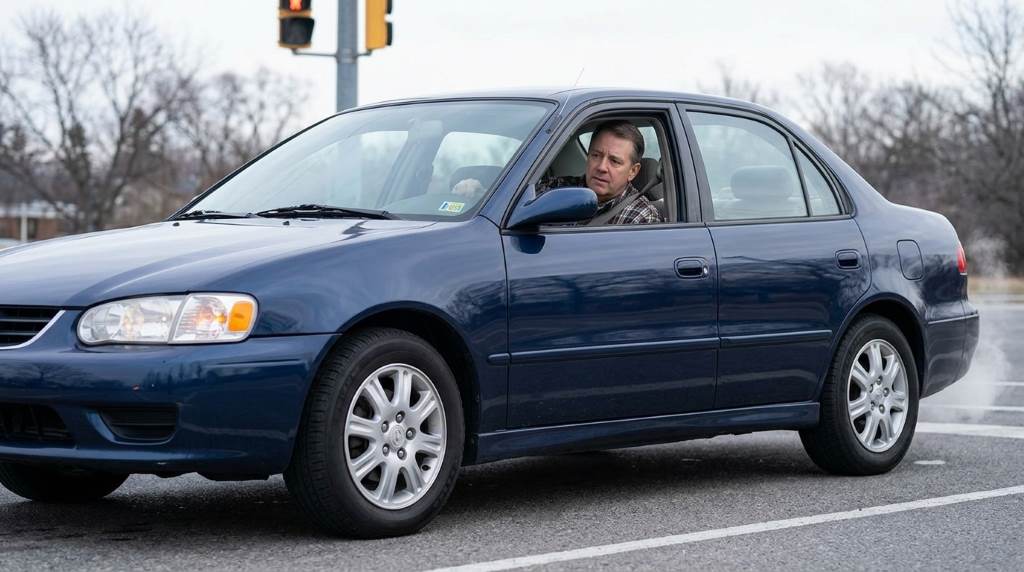
Many Chicago residents drive short distances throughout the week. However, engines achieve peak efficiency only after reaching normal operating temperatures. During short trips, vehicles spend most of their time warming up. Consequently, fuel consumption increases noticeably over time.
Cold starts require additional fuel for proper combustion. Furthermore, emissions systems remain less efficient during warmup periods. Drivers often blame mechanical problems when short trip habits cause the issue. Therefore, tracking driving patterns becomes important when investigating mileage losses.
Hybrid vehicle owners often face similar challenges during winter months. Learning hybrid vehicles specialized car battery maintenance practices helps maintain efficiency throughout changing seasons. Additionally, battery performance directly influences fuel economy in hybrid systems. Proper maintenance reduces unnecessary energy losses.
Hidden Tire Problems Reduce Efficiency
Many drivers check tire pressure only after seeing warning lights. However, slightly underinflated tires can reduce fuel economy significantly. Furthermore, Chicago’s temperature swings cause tire pressure fluctuations throughout the year. Therefore, small changes often go unnoticed.
Tire wear patterns also affect rolling resistance. Uneven tread creates additional friction against road surfaces. Consequently, engines must work harder to maintain speed. This hidden resistance gradually increases fuel consumption.
Common Tire Related Efficiency Issues
- Seasonal pressure changes
- Uneven tread wear
- Improper wheel alignment
- Low quality replacement tires
- Excessive road damage impacts
Regular tire inspections help identify these problems early. Moreover, proper inflation improves both safety and fuel economy. Small corrections often deliver noticeable savings over time. Therefore, tire maintenance remains one of the simplest efficiency improvements.
Wheel Alignment Problems Often Go Undetected
Chicago roads experience heavy wear from freezing temperatures and snow removal equipment. Consequently, potholes frequently develop across the city. Even minor impacts can alter wheel alignment settings. However, drivers may not immediately notice the change.
Misaligned wheels create constant resistance while driving. Furthermore, the steering system compensates for directional changes continuously. This extra workload increases fuel consumption gradually. Therefore, many drivers overlook alignment issues as a potential cause.
In some cases, steering vibrations accompany alignment problems. Understanding steering column vibration at idle symptoms helps identify underlying suspension concerns. Additionally, correcting these issues often restores lost efficiency. Proper alignment reduces unnecessary strain throughout the vehicle.
Carbon Deposits Affect Modern Engines
Direct injection engines have become increasingly common in recent years. While these systems improve performance, they create unique maintenance challenges. Carbon deposits accumulate inside intake passages over time. Consequently, airflow becomes restricted without obvious symptoms.
Restricted airflow changes combustion efficiency throughout the engine. Furthermore, fuel management systems attempt to compensate automatically. Drivers often notice lower mileage before performance problems appear. Therefore, hidden carbon buildup deserves consideration during diagnosis.
Regular maintenance reduces deposit formation significantly. Additionally, quality fuel products help keep critical components cleaner. Preventive care costs less than correcting advanced buildup problems. As a result, long term efficiency improves considerably.
The Uncommon Cause Most Blogs Ignore: Lake Effect Air Density Changes
One rarely discussed factor involves Chicago’s proximity to Lake Michigan. Large bodies of water influence local air density throughout the year. Consequently, atmospheric conditions vary more than many drivers realize. These subtle changes affect combustion efficiency in modern engines.
Engine computers continuously adjust fuel delivery based on incoming air characteristics. However, rapid environmental changes create temporary efficiency variations. Furthermore, seasonal lake effect patterns influence humidity and oxygen content. Therefore, fuel economy may fluctuate even when vehicle systems operate correctly.
This factor alone rarely causes major losses. However, it often combines with other minor issues. Together, these influences create noticeable reductions in mileage. Consequently, Chicago drivers experience patterns that differ from inland regions.
Dirty Sensors Cause Small But Costly Errors
Modern vehicles depend on numerous sensors for fuel management. Even slight contamination affects measurement accuracy. Consequently, computers may deliver more fuel than necessary. These adjustments often occur without triggering warning lights.
Mass airflow sensors remain particularly vulnerable to contamination. Furthermore, intake system deposits affect sensor readings gradually. Drivers may lose several miles per gallon before noticing changes. Therefore, sensor maintenance deserves regular attention.
Diagnostic testing helps identify these subtle problems. Learning automotive multimeter car diagnostics techniques provides valuable troubleshooting insights. Additionally, accurate testing prevents unnecessary parts replacement. Proper diagnosis saves both time and money.
Fuel Quality Variations Impact Mileage
Fuel blends change throughout the year in northern regions. Winter formulations help engines start during cold temperatures. However, these blends often contain less energy per gallon. Consequently, drivers may notice reduced mileage during colder months.
Different stations may also source fuel from various suppliers. Furthermore, storage conditions affect fuel quality over time. Small differences accumulate across many fill ups. Therefore, fuel source consistency sometimes improves efficiency.
Drivers should monitor mileage patterns carefully. Tracking consumption helps identify seasonal influences. Additionally, recorded data reveals long term trends more accurately. As a result, diagnosing efficiency problems becomes easier.
Excess Vehicle Weight Adds Hidden Costs
Many drivers carry unnecessary items throughout the year. Emergency supplies, sports equipment, and tools increase vehicle weight gradually. Consequently, engines require more fuel during acceleration. This effect becomes significant over time.
Winter often increases vehicle weight further. Drivers carry snow removal equipment and seasonal gear regularly. Furthermore, accumulated ice and snow add temporary mass. Therefore, reducing unnecessary weight helps improve efficiency.
Removing unused cargo provides immediate benefits. Additionally, lighter vehicles experience less stress during operation. Small improvements combine to create noticeable savings. Consequently, regular vehicle cleanouts remain worthwhile.
Brake Drag Can Remain Invisible
Brake components experience harsh conditions during Chicago winters. Salt exposure accelerates corrosion on moving parts. Consequently, brake calipers sometimes stick slightly after use. Drivers rarely notice mild drag during normal driving.
Even minor brake resistance affects fuel economy. Furthermore, engines compensate continuously for added rolling resistance. This hidden load increases fuel consumption gradually. Therefore, brake inspections play an important role in efficiency maintenance.
Technicians often discover brake drag during routine service visits. Additionally, early correction prevents more expensive repairs later. Properly functioning brakes improve both safety and mileage. As a result, regular inspections deliver multiple benefits.
How To Restore Lost Fuel Economy
Improving fuel efficiency begins with a systematic approach. First, check tire pressure and alignment conditions. Next, inspect maintenance records for overdue services. Then, monitor driving habits and seasonal influences carefully.
Drivers should also scan for hidden diagnostic trouble codes. Furthermore, professional inspections reveal issues that visual checks miss. Addressing small problems early prevents larger efficiency losses. Therefore, proactive maintenance remains the best strategy.
Consistent monitoring produces the best long term results. Additionally, accurate records simplify troubleshooting efforts. Small improvements often combine into significant savings. Consequently, drivers enjoy better performance and lower operating costs.
Conclusion
Fuel economy losses rarely occur without a reason. In Chicago, weather conditions, road damage, short trips, and hidden mechanical issues often contribute. Furthermore, uncommon factors like lake effect air density changes can influence efficiency. Therefore, drivers should investigate gradual mileage declines carefully.
Start with basic inspections and maintenance checks today. Then, track fuel consumption consistently and address small issues quickly. A proactive approach helps restore efficiency and reduce operating expenses. Ultimately, better vehicle care leads to better fuel economy year round.
FAQs
Why does my car lose fuel economy during Chicago winters?
Cold temperatures increase engine workload and require richer fuel mixtures.
Can low tire pressure reduce gas mileage significantly?
Yes, underinflated tires increase rolling resistance and fuel consumption.
Do short trips hurt fuel economy?
Yes, engines remain in warmup mode longer during short drives.
Can wheel alignment affect fuel efficiency?
Yes, misaligned wheels create extra resistance that wastes fuel.
Should I diagnose hidden fuel economy problems professionally?
Yes, professional inspections often identify issues that drivers cannot detect.