Finding a vehicle that delivers excellent fuel economy during short trips can be challenging. Most cars perform differently on quick errands compared to highway driving. However, certain vehicles excel at maintaining efficiency during brief journeys around town.
Short trips typically involve frequent stops, cold engine starts, and lower speeds. These conditions make fuel consumption higher than highway driving. Therefore, choosing the right vehicle becomes essential for daily commuters and urban drivers.
Understanding Short Trip Fuel Consumption
Short trips present unique challenges for fuel efficiency. When you start your engine cold, it burns more fuel until reaching optimal temperature. Additionally, stop-and-go traffic reduces efficiency significantly compared to steady cruising.
Traditional gasoline engines struggle most during these conditions. The engine needs extra fuel to warm up properly. Moreover, frequent acceleration and braking waste energy that could otherwise propel the vehicle forward.
Electric and hybrid vehicles handle short trips differently. They recover energy through regenerative braking and don’t require engine warm-up periods. Consequently, these technologies often provide superior performance for urban driving patterns.
Hybrid Vehicles Leading the Pack
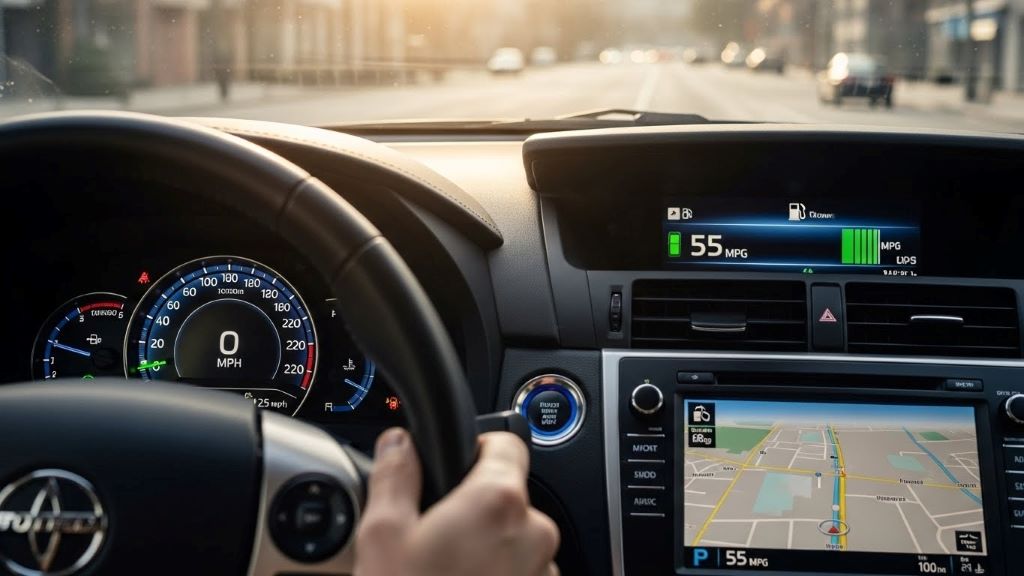
Hybrid cars dominate the short-trip efficiency category. The Toyota Prius remains a benchmark for fuel economy across all driving conditions. Its combination of electric and gasoline power optimizes energy use during brief journeys.
The Honda Insight offers similar benefits with excellent city fuel economy ratings. Both vehicles switch seamlessly between electric and gasoline power. This flexibility ensures minimal fuel waste during stop-and-go driving.
Furthermore, hybrid technology captures energy during braking. Traditional vehicles lose this energy as heat. However, hybrids convert it back into usable electricity for the battery pack.
The Hyundai Ioniq Hybrid deserves mention for exceptional efficiency numbers. It achieves some of the highest city MPG ratings available today. Additionally, its aerodynamic design reduces energy loss at all speeds.
Plug-In Hybrid Excellence
Plug-in hybrids take efficiency further for short-trip drivers. The Toyota Prius Prime can travel 25-40 miles on electricity alone. Therefore, many daily commutes happen without burning any gasoline whatsoever.
The Chevrolet Volt, though discontinued, set standards for plug-in technology. Its successors and competitors continue improving electric range. Consequently, drivers complete most errands using only battery power.
The Honda Clarity Plug-In Hybrid provides 47 miles of electric range. This distance covers typical daily driving for many households. Moreover, the gasoline engine eliminates range anxiety for longer trips.
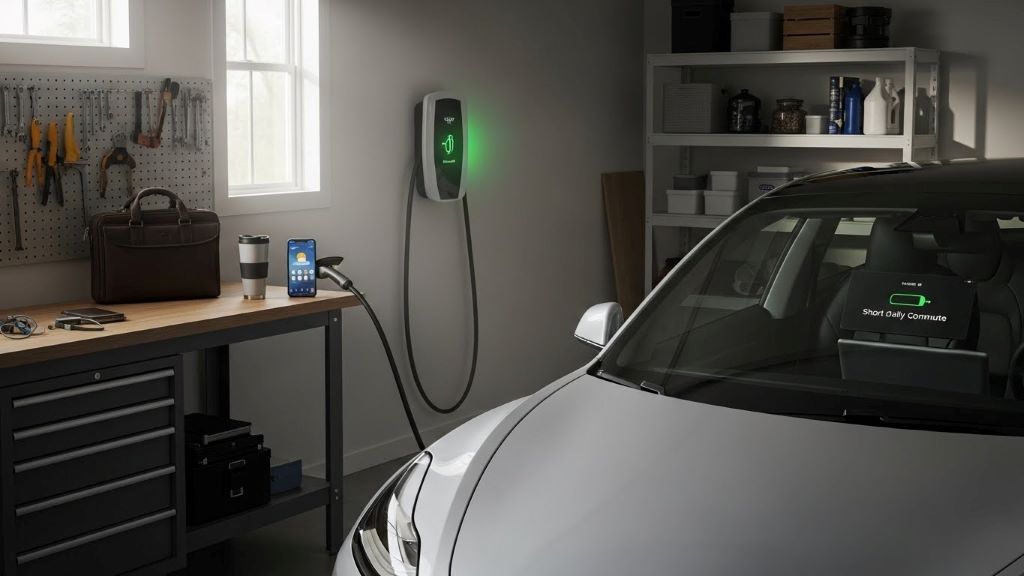
Plug-in hybrids work best when charged regularly at home. Drivers who maintain consistent charging habits maximize fuel savings. Additionally, these vehicles qualify for various tax incentives and rebates.
Fully Electric Options
Pure electric vehicles eliminate gasoline consumption entirely for short trips. The Nissan Leaf offers affordable electric transportation with zero tailpipe emissions. Its compact size suits urban environments perfectly.
The Chevrolet Bolt EV provides longer range at competitive pricing. Both vehicles excel in city driving where electric motors perform best. Furthermore, electricity costs significantly less than gasoline per mile traveled.
Tesla models deliver exceptional efficiency despite higher purchase prices. The Model 3 achieves excellent energy consumption ratings. Additionally, Tesla’s charging network supports longer journeys when needed.
Electric vehicles require no warm-up period and produce instant torque. These characteristics make them ideal for short-trip scenarios. However, charging infrastructure availability affects their practicality for some drivers.
Traditional Gasoline Champions
Some conventional vehicles still deliver impressive short-trip economy. The Mitsubishi Mirage leads subcompact cars with excellent city MPG ratings. Its lightweight design and small engine minimize fuel consumption.
The Honda Civic continues its reputation for efficiency across generations. Modern versions include turbocharged engines that balance power and economy. Moreover, continuously variable transmissions optimize fuel usage during varied driving conditions.
The Toyota Corolla Hybrid combines traditional reliability with hybrid technology. It achieves over 50 MPG in combined driving. Additionally, its proven durability makes it cost-effective over many years.
Mazda’s Skyactiv technology improves conventional engine efficiency remarkably. The Mazda3 delivers competitive fuel economy without hybrid complexity. Therefore, it appeals to drivers preferring traditional powertrains.
According to the EPA’s fuel economy guide, understanding your vehicle’s real-world performance helps maximize savings during short trips.
Diesel Alternatives Worth Considering
Diesel engines offer unique advantages for certain driving patterns. They typically achieve better fuel economy than comparable gasoline engines. However, their benefits shine more during highway driving than short trips.
The diesel warm-up period can be longer than gasoline engines. This characteristic reduces their advantage during brief urban journeys. Nevertheless, some diesel vehicles still perform admirably in mixed driving.
European manufacturers traditionally offered more diesel options. However, recent emissions concerns have reduced diesel availability in many markets. Additionally, diesel fuel often costs more than regular gasoline.
Diesel vehicles require different maintenance considerations. The fuel system needs specific care to prevent issues. Therefore, potential buyers should research maintenance requirements thoroughly.
Features That Enhance Short-Trip Efficiency
Modern vehicles include technologies specifically improving city driving efficiency. Auto start-stop systems shut off engines at traffic lights. This feature saves fuel during idle periods common in urban driving.
Eco-driving modes adjust throttle response and transmission behavior. These settings prioritize efficiency over performance. Consequently, they help drivers maximize fuel economy during everyday errands.
Low rolling resistance tires reduce energy needed to move vehicles forward. Many efficient vehicles come standard with these specialized tires. Moreover, maintaining proper tire pressure further improves fuel consumption.
Lightweight materials reduce overall vehicle weight significantly. Less mass requires less energy to accelerate and maintain speed. Therefore, manufacturers increasingly use aluminum and high-strength steel.
Real-World Considerations for Buyers
Official EPA ratings provide useful comparisons between vehicles. However, real-world results often vary based on driving habits. Additionally, cold weather significantly impacts fuel economy for all vehicles.
Test driving potential vehicles in typical conditions reveals actual performance. Pay attention to how engines behave during cold starts. Furthermore, evaluate comfort and features alongside efficiency numbers.
Total cost of ownership extends beyond fuel savings alone. Maintenance costs, insurance premiums, and depreciation affect long-term value. Therefore, comprehensive research ensures the best overall decision.
According to Consumer Reports, hybrid vehicles typically deliver the most consistent fuel economy across different driving conditions.
Consider your typical driving distance and patterns. Plug-in hybrids benefit drivers with short commutes and home charging. However, full hybrids work better for those without charging access.
Maximizing Efficiency in Any Vehicle
Driver behavior dramatically impacts fuel consumption regardless of vehicle choice. Smooth acceleration and gentle braking reduce energy waste. Additionally, planning routes to minimize stops improves efficiency.
Combining multiple errands into single trips reduces cold-start fuel consumption. Engines operate most efficiently when fully warmed up. Therefore, strategic trip planning yields measurable savings.
Regular maintenance keeps vehicles operating at peak efficiency. Clean air filters, proper tire pressure, and timely oil changes all matter. Moreover, addressing mechanical issues promptly prevents efficiency losses.
Reducing unnecessary weight improves fuel economy in any vehicle. Remove unused items from your trunk and cargo areas. Furthermore, roof racks increase wind resistance when not needed.
Conclusion
Choosing vehicles optimized for short-trip fuel consumption requires understanding different technologies and their strengths. Hybrid and plug-in hybrid vehicles generally provide the best performance for urban driving patterns. They excel during cold starts, stop-and-go traffic, and frequent short journeys.
Electric vehicles eliminate gasoline consumption entirely, offering the ultimate solution for daily errands within their range. However, traditional gasoline vehicles like the Mitsubishi Mirage and Honda Civic Hybrid still deliver impressive efficiency for budget-conscious buyers.
Consider your specific driving needs, charging availability, and budget when making decisions. Additionally, remember that driving habits significantly impact fuel consumption regardless of vehicle choice. By combining an efficient vehicle with smart driving practices, you can maximize fuel savings during short trips while reducing environmental impact.
Frequently Asked Questions
What makes a car good for short trip fuel economy?
Cars with hybrid or electric powertrains excel at short trips because they don’t require warm-up periods and recover energy through regenerative braking. Additionally, vehicles with auto start-stop technology and lightweight construction perform better during frequent stops and starts typical of urban driving.
Do hybrids really save fuel on short trips?
Yes, hybrids typically save significant fuel on short trips compared to conventional vehicles. They can operate on electric power alone at low speeds and during frequent stops. Moreover, they capture energy during braking that traditional cars waste as heat, making them particularly efficient in city driving.
How does cold weather affect short trip fuel economy?
Cold weather significantly reduces fuel economy for all vehicles, especially during short trips. Engines require more fuel to warm up in freezing temperatures. However, hybrid and electric vehicles experience even greater efficiency losses because cold batteries provide less power and range until they warm up.
Are electric vehicles practical for only short trips?
Electric vehicles work exceptionally well for short trips and daily commuting. Most modern EVs offer sufficient range for typical daily driving needs. However, drivers who frequently take longer trips should consider charging infrastructure availability or choose plug-in hybrids that include gasoline backup power.
What driving habits improve fuel economy on short trips?
Smooth acceleration, gentle braking, and combining multiple errands into single trips dramatically improve short-trip fuel economy. Additionally, maintaining proper tire pressure, reducing vehicle weight, and allowing your engine to warm up before aggressive driving all contribute to better efficiency regardless of vehicle type.
Related Topics:
How Much Does It Cost to Fix a VSA System?
How to Evaluate a Car’s Safety Rating Before Purchase

Jeff Gordon is an accomplished writer with expertise in the basics of car accessories. With a keen eye for detail, Jeff has established himself as an authority on the subject, with a passion for all things automotive. Based in Jasper, Jeff is dedicated to providing readers with the information they need to make informed decisions when it comes to their car accessories.