

Imagine you’re finally building that dream garage—space for your cars, tools, and maybe even a workshop. But then you hit a snag: what size garage door do you actually need? Choosing the wrong dimensions can lead to frustration, wasted money, and even safety issues. Whether you’re renovating an old home or constructing a new pole barn, understanding standard garage door sizes is crucial. In this comprehensive guide, we’ll break down everything from common widths and heights to panel dimensions, rough openings, and custom options. By the end, you’ll know how to make an informed decision that fits your needs perfectly.
Garage doors aren’t one-size-fits-all. Over the years, they’ve evolved to accommodate bigger vehicles like SUVs, trucks, and RVs. Standard sizes offer affordability and quick availability, while custom ones provide flexibility for unique setups. We’ll explore typical garage door dimensions, including heights, widths, and more, to help you navigate this essential home improvement choice.
What Are Standard Garage Door Sizes?
Standard garage door sizes refer to the most commonly manufactured and stocked dimensions by suppliers. These are designed for efficiency, cost-effectiveness, and compatibility with typical residential structures. The average garage door size for a single-car garage is around 9 feet wide by 7 feet tall, while double-car versions often measure 16 feet wide by 7 feet tall. However, with the rise in larger vehicles and custom builds like pole sheds, sizes like 10 feet wide by 8 feet tall or even 18 feet wide by 8 feet tall are becoming increasingly popular.
Why stick to standards? They’re readily available, reducing wait times and costs compared to custom orders. Plus, they often enhance your home’s resale value since buyers expect familiar dimensions. According to industry trends, garage door specs have shifted taller and wider over the last decade to handle modern lifestyles—think storing boats, campers, or work trucks.
Single-Car Garage Door Dimensions
For homes with one vehicle, single garage door heights typically range from 7 to 8 feet, with widths between 8 and 10 feet. A common example is the 9-foot-wide door, which provides ample space for most sedans or compact SUVs without feeling cramped.
- Standard widths: 8 ft, 9 ft, 10 ft
- Standard heights: 7 ft, 8 ft
If you’re dealing with a smaller space, like in an urban townhome, an 8-foot-wide door might suffice. But for added clearance, especially with roof racks or taller vehicles, opt for an 8-foot height.
Double-Car Garage Door Dimensions
Double garage door widths usually start at 16 feet, allowing two vehicles side by side. Heights mirror single doors, but taller options up to 9 or 10 feet are common for oversized garages.
- Standard widths: 16 ft, 18 ft
- Standard heights: 7 ft, 8 ft, 9 ft
A 16 x 7 garage door is a go-to for many suburban homes, but if you own larger trucks, consider bumping up to 18 feet wide. Overhead garage door sizes in this category ensure smooth operation and durability.
Garage Door Heights: How Tall Is a Standard Garage Door?
One of the most frequent questions is, “How tall is a standard garage door?” The answer: most residential doors are 7 feet tall, but 8-foot options are surging in popularity. This shift accommodates higher vehicles and provides better ventilation or storage space above.
- Typical garage door height: 7 ft (84 inches)
- Average garage door height for modern homes: 8 ft (96 inches)
- Taller variants: 9 ft, 10 ft, or even 12 ft for pole barns or commercial use
The height of garage doors impacts not just entry but also the required headroom for tracks and openers. For instance, a standard garage door height and width combo like 9 x 7 works well for most, but measure your vehicles—including mirrors and antennas—to avoid surprises.
Factors like building codes and ceiling height play a role, too. In colder climates, taller doors might help with snow accumulation, while in warmer areas, they improve airflow.
Garage Door Widths: How Wide Is a Standard Garage Door?
Garage door width dimensions are equally important. The standard garage door width for singles is 9 feet, and for doubles, it’s 16 feet. But variations exist to fit different needs.
- Common garage door widths: 8 ft, 9 ft, 10 ft for singles; 16 ft, 18 ft for doubles
- Oversized options: Up to 20 ft or more for custom setups
Wondering, “How wide are standard garage doors?” It depends on your garage’s layout. A minimum garage door width of 8 feet suits compact cars, but for safety and ease, aim for at least 9 feet. Double doors at 16 feet allow about 7-8 feet per vehicle, including space to open doors without dings.
In commercial settings, overhead door dimensions often go wider—think 12 ft or 14 ft—to handle delivery trucks or equipment.
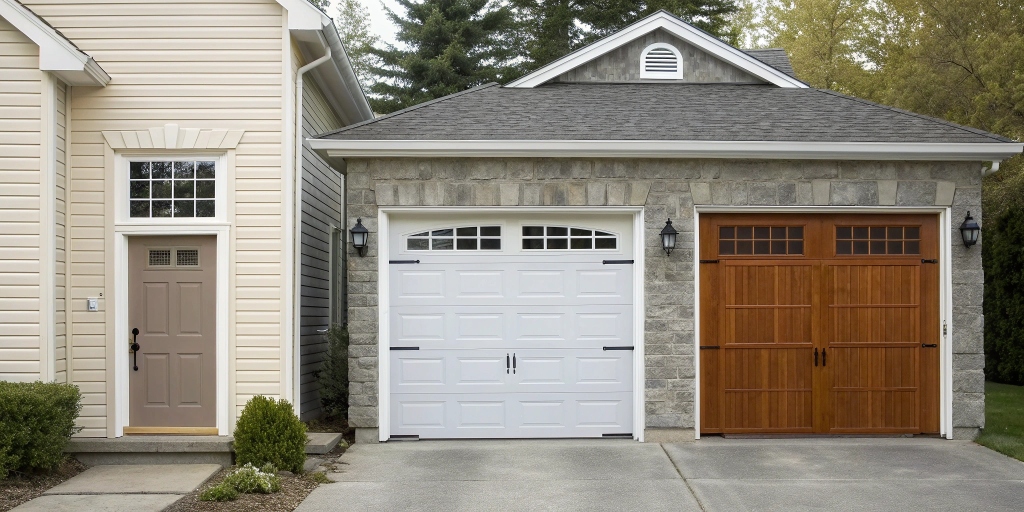
Garage Door Panel Sizes and Configurations
Garage door panel dimensions are key to the door’s structure and operation. Panels typically come in 18-inch, 21-inch, or 24-inch heights, stacked to reach the total door height.
- Standard panel sizes: 18″, 21″, 24″
- Examples:
- 7 ft tall door: Four 21″ panels
- 8 ft tall door: Three 18″ and two 21″ panels, or four 24″ panels
- 9 ft tall door: Six 18″ panels
These configurations ensure the door curves smoothly around the track. Garage door panel sizes affect insulation, weight, and aesthetics—fewer panels mean a cleaner look, but more might be needed for taller doors.
If you’re replacing panels, match the existing ones. For instance, 9 garage door panels might refer to a specific layout, but always check compatibility.
Rough Opening Requirements for Garage Doors
The rough opening is the framed space where the door is installed. Standard garage door sizes, rough opening should match the door exactly—for a 16 x 7 door, frame a 16 x 7 opening.
- Tips for sealing: Make the opening 1 inch narrower on each side for a snug fit.
- Height match: Keep it identical to the door height; the bottom seal adds about 1/2 inch clearance.
Proper rough openings prevent drafts, water intrusion, and operational issues. Always consult a professional for measurements, especially in older homes where settling might affect dimensions.
Custom Garage Door Sizes: When Standard Isn’t Enough
While standard sizes cover most needs, custom garage door sizes offer solutions for odd layouts or unique vehicles. Widths can adjust in 1-inch increments, but heights are limited to 3-inch steps due to panel constraints.
- Pros of custom: Perfect fit, enhanced functionality
- Cons: Higher costs, longer lead times (up to weeks or months)
Custom options shine in pole barn garage door sizes, where 10 ft or 12 ft heights are common for storing RVs or farm equipment. However, sticking to stock garage doors saves money and time.
Factors to Consider When Choosing Garage Door Sizes
Selecting the right size involves more than measurements. Here are key considerations:
- Vehicle dimensions: Measure your car’s width, height, and length. Add buffer space for mirrors and opening doors.
- Garage type: Residential garage doors sizes differ from commercial overhead door sizes—homes focus on aesthetics, businesses on durability.
- Headroom and track radius: Taller doors need more ceiling space for smooth operation.
- Budget and availability: Standard overhead garage door sizes are cheaper and faster to install.
- Future-proofing: Opt for slightly larger if you plan to upgrade vehicles.
Also, think about garage door specs like material (steel, wood) and insulation, which tie into size choices.
Residential vs. Commercial Garage Door Sizes
Residential setups prioritize common garage door sizes like 9 x 7 or 16 x 8 for everyday use. Commercial garage door sizes, however, often include wider and taller options—12 ft wide or more—for loading docks or warehouses. Pole shed doors bridge the gap, blending residential convenience with commercial scale.
Garage Door Sizes Chart
For quick reference, here’s a simple garage door size chart:
| Garage Type | Width (ft) | Height (ft) | Common Use |
| Single Car | 8-10 | 7-8 | Cars, SUVs |
| Double Car | 16-18 | 7-9 | Two vehicles, trucks |
| Oversized | 18+ | 9-12 | RVs, boats, pole barns |
This overhead door sizes chart highlights standards, but always verify with local suppliers.
Wrapping Up: Find the Perfect Fit for Your Garage
Navigating garage door sizes—from standard garage door height and width to custom configurations—ensures your space is functional and efficient. Whether you’re eyeing a 9 x 7 for a cozy single garage or an 18 x 8 for a spacious double, the right choice enhances your home’s value and usability.
Ready to upgrade? Visit Garage Door Guide for expert advice, or contact a local installer to measure your space today. Share your garage project in the comments below—what size did you choose, and why? Let’s discuss!
Find out more:
How to Clean Cloth Car Seats: A Step-by-Step Guide
How to Prolong the Life of Your Car Battery


