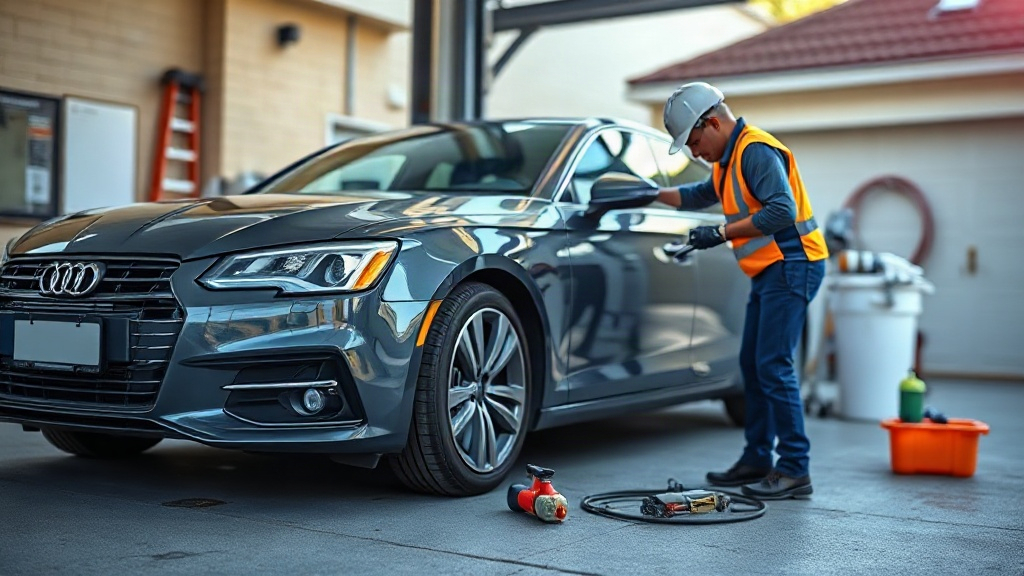
A surprising number of car maintenance jobs you can safely do in your driveway require only basic hand tools and a free Saturday morning. Fluid checks, wiper replacements, battery care, and even an oil change sit well within reach for most owners. If you want a practical starting point for building a small tool kit, https://bestusatools.com/ offers a useful reference for the hand tools these jobs call for. This guide separates the work you can handle at home from the jobs that belong in a shop, and it explains how to do the safe ones without causing damage.
Quick answer: Stick to jobs that need no lifting of the car beyond a jack and stands, no specialty diagnostic software, and no opening of sealed systems like the air conditioning or transmission. Tire pressure, fluids, wipers, bulbs, filters, batteries, and oil changes are all realistic driveway tasks. Skip brakes, timing belts, and anything that requires removing major components unless you have proper training.
What is car maintenance jobs you can safely?
The line between a safe driveway job and a risky one comes down to three questions: can you reach the part safely, can you undo a mistake, and does the work affect a system that fails dangerously? A job that passes all three is usually fair game for a careful beginner.
Jobs that clearly qualify
These tasks involve accessible parts, forgiving tolerances, and mistakes that show up as a warning light rather than a crash:
- Checking and topping up fluids — engine oil, coolant, brake fluid, and washer fluid.
- Replacing wiper blades — a clip-on job that takes minutes.
- Checking tire pressure and tread depth — a gauge costs little and pays for itself in fuel and tire life.
- Replacing cabin and engine air filters — usually a few clips or screws.
- Changing light bulbs — headlights, taillights, and turn signals on most cars.
- Testing and cleaning battery terminals — with the engine off and the right precautions.
- Changing engine oil and the oil filter — messy but straightforward with the car raised safely.
Jobs that look easy but are not
Some tasks appear simple on video and turn dangerous in a real driveway. Brake pad replacement affects stopping distance directly. Suspension work involves parts under heavy spring load. Air conditioning service requires handling refrigerant, which is regulated and hazardous. Transmission fluid changes on many modern cars need a specific temperature and fill procedure. Leave those to a qualified mechanic.
The real dividing line is not difficulty but consequence. A badly fitted wiper blade annoys you; a badly fitted brake pad can hurt someone.
Takeaway: judge each job by reach, reversibility, and safety impact, not by how easy it looks online.
Why car maintenance jobs you can safely matters
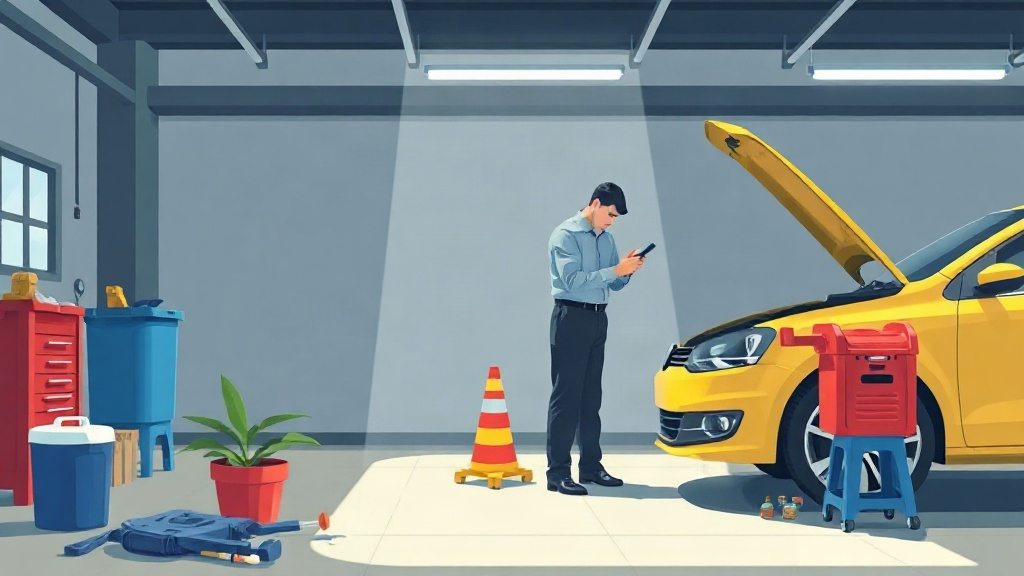
Doing routine maintenance yourself returns more than saved labor. It builds familiarity with your car, so small problems get noticed before they become expensive ones. You learn what healthy fluid looks like, how fast a tire loses pressure, and when a noise is new. That awareness is worth more than any single repair.
Cost and control
A shop visit carries a diagnostic fee, labor rate, and often an upsell. A driveway oil change costs the price of oil and a filter. Air filters and wiper blades are among the highest-margin items in service centers, and you can swap them in minutes. Doing these jobs yourself gives you control over part quality, because you choose the exact oil spec or filter brand.
Safety and reliability
Tire pressure checked monthly improves handling and fuel economy. Clean battery terminals prevent no-start mornings. Fresh wiper blades matter in heavy rain. Each of these jobs is small, yet together they reduce the chance of a breakdown or an avoidable accident.
What you should not expect
Home maintenance does not replace professional inspections. Modern cars store fault codes and run calibration routines that need dealer-level equipment. A driveway routine keeps a car healthy between proper services; it does not substitute for them.
Takeaway: treat home maintenance as prevention and familiarity, not as a replacement for scheduled professional checks.
Best practices
A safe job starts before you open the hood. Park on a level, solid surface away from traffic. Set the parking brake, chock the wheels, and let the engine cool completely before touching anything hot. Gather every tool and part first, so you are not searching mid-job.
Work safely under a car
Never rely on a jack alone. Use rated jack stands on firm ground, and place them under the manufacturer’s lift points, which are listed in your owner’s manual. A jack is a lifting tool, not a support tool. If you are not confident about raising the car, choose jobs that need no lifting at all.
Handle fluids and fasteners correctly
Catch used oil in a sealed pan and take it to a recycling center; most auto parts stores accept it. When you refit a drain plug or filter, follow torque guidance and use a new crush washer where specified. Hand-tight plus a small final turn is usually right for an oil filter. For readers working without a torque wrench, this guide to oil drain plug tightening explains how to judge the right feel and avoid stripping the pan.
Keep records and check your work
Write down the date and mileage of every job, and keep receipts. After any fluid change, run the engine briefly, check for leaks, and recheck the level. Re-torque wheel nuts after about 50 miles if you have had a wheel off.
Takeaway: preparation, proper support, and a short post-job check prevent nearly every common driveway mishap.
Common mistakes to avoid
Most damage in home maintenance comes from impatience rather than lack of skill. Knowing the usual traps keeps a simple job simple.
- Skipping the cooldown. Opening a hot cooling system or touching an exhaust part causes burns. Wait at least an hour after driving.
- Over-tightening. Spark plugs, drain plugs, and filters all have limits. Excess force strips threads and creates leaks that are costly to fix.
- Using the wrong fluid. Coolant types and oil grades are not interchangeable. Check the owner’s manual, not the bottle’s marketing.
- Ignoring the warning light. If a check engine light appears after your work, stop and investigate rather than clearing the code.
- Working on a slope. Oil drains poorly, and a jack can shift. Flat ground is non-negotiable.
- Forgetting disposal. Leftover oil and coolant are hazardous waste and must never go down a drain.
Never crawl under a car supported only by a jack. Stands cost less than an injury and take a minute to place.
One more trap deserves attention: buying parts by guesswork. Confirm the engine size and trim before ordering a filter or bulb, because listings for the same model year often differ. When a job starts going wrong, stop and reassess rather than forcing a fastener. A stripped bolt turns a twenty-minute task into a shop visit.
Takeaway: slow, deliberate work with the correct parts and fluids beats speed every time.
FAQ
Which maintenance jobs are safest for a complete beginner?
Start with tire pressure, wiper blades, washer fluid, and light bulbs. These need minimal tools and carry almost no risk of damage. Move to oil changes and filters once you are comfortable raising the car on stands.
How often should I check fluids and tire pressure?
Check tire pressure monthly and before long trips, and inspect fluids at the same time. Oil level deserves a weekly glance on older cars. Coolant and brake fluid can be checked monthly when the engine is cold.
Do I need a torque wrench for driveway work?
Not for every job, but it helps on drain plugs, wheel nuts, and spark plugs. If you lack one, follow the manufacturer’s guidance and use a steady, moderate hand rather than maximum force.
Is it worth doing my own oil change to save money?
It can be, since you pay mainly for oil and a filter. The bigger gain is familiarity with your engine and knowing exactly what went in. Factor in the time and the trip to recycle the old oil.
When should I stop and call a mechanic instead?
Stop if a job needs the AC system opened, the transmission serviced on a sealed unit, or parts under spring load removed. Also stop if you find metal debris in the oil or a fastener that will not budge safely.
Conclusion
The safest driveway jobs share clear traits: easy access, forgiving tolerances, and mistakes that show up as a warning rather than a failure on the road. Fluid checks, wipers, bulbs, filters, battery care, and oil changes cover most of what a car needs between professional services. Build a small, honest toolkit, work on flat ground with proper stands, and record what you do. Pick one job this weekend, such as checking tire pressure and topping up the washer fluid, and let confidence grow from there.


