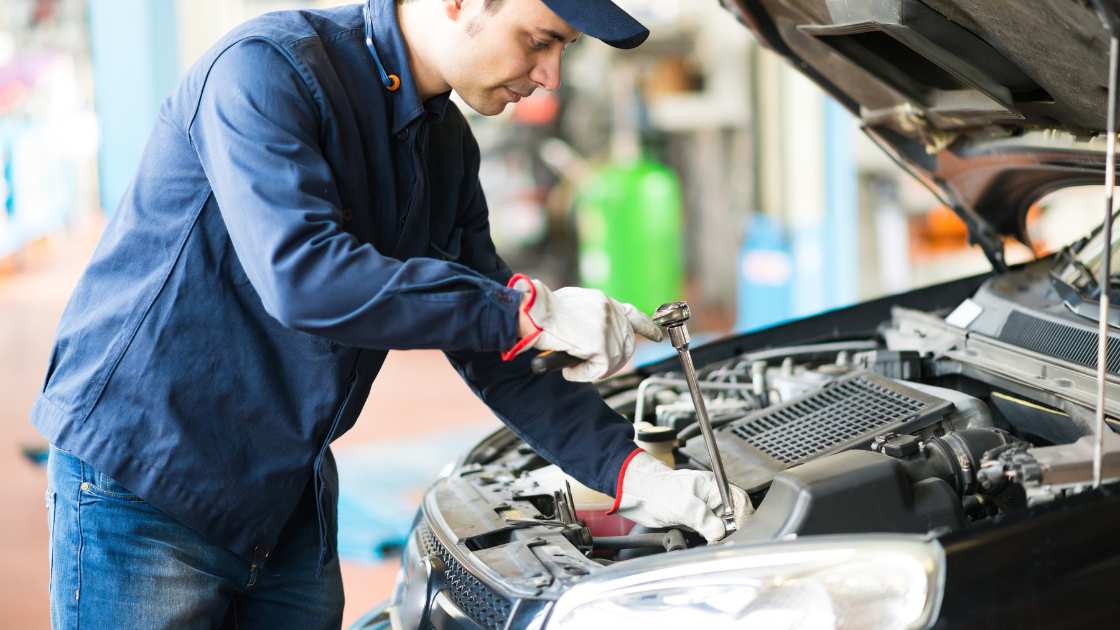
Every good truck driver knows the importance of preventative maintenance. According to the experts at Schneider, semi-trucks need to be maintained every 10,000 to 25,000 miles, but you never know when an issue might appear.
Routine inspections and strict service schedules prevent minor problems from becoming costly meltdowns that can cost your business thousands. Consider this: The average preventative maintenance visit costs anywhere from $80 to $450, depending on the job. But that’s nothing compared to the cost of replacing the truck engine, which will set you back between $20,000 and $40,000, according to Freight Wave. That doesn’t include the cost of driving with reduced fuel efficiency or order delays.
You are required by the Federal Motor Carrier Safety Administration (FMCSA) to keep a detailed log of all maintenance performed on the vehicle using the Vehicle Identification Number (VIN) to ensure it’s safe to operate. Use these preventative maintenance tips to keep your fleet on the road as much as possible:

Source: Komkrich Marom/Shutterstock.com
Anticipate System Failures
Every part will eventually wear out regardless of how well you maintain your truck, and most systems aren’t designed to last as long as the vehicle. The trick to minimizing repairs is knowing when these parts need to be replaced and keeping them in stock so you can swap them out immediately. Shop for diesel parts by make and model to keep the most in-demand items on hand.
Keep track of when parts were added and how long they tend to last. Some parts will break down faster when added to an aging engine with rust and debris. The fuel pump will only last 100,000 to 200,000 miles, even if your truck lasts a million miles or more. Replace the fuel injection pump as this deadline approaches to prepare for its eventual failure.

Source: Vitpho/Shutterstock.com
Perform Daily Inspections
Every trip should begin with a routine inspection, even if the truck has just been serviced. This includes:
- Checking oil and coolant levels
- Looking for leaks, rust and damage to the exterior
- Checking tire pressure
- Testing all electrical components
- Checking the trailer is securely attached
If the vehicle uses more oil or coolant than usual, these systems likely need to be repaired. You could lose fluids due to a leak or excess heat that burns off the fluid. Replace the exhaust gas recirculation (EGR) cooler to prevent the engine from overheating.
Monitor Fuel Efficiency
Problems under the hood tend to affect fuel efficiency, and a reduced MPG rating is often the first sign that something needs to be repaired. The efficiency rating measures every aspect of the vehicle, including the fuel and oil systems. There could also be an issue with the sensors that control fuel injection timing and pressure.
If the PSI is off, the injector fires too soon or too late, or one of the nozzle heads fails, the truck will consume more fuel than usual to go the same distance. Monitor how much fuel each trip uses and check for issues when consumption increases.

Source: Virrage Images/Shutterstock.com
Make Seasonal Adjustments
Changing temperatures affect diesel engine performance. A few degrees can throw off your tire pressure and oil viscosity. It can also lead to water separation in the fuel tank, increasing the risk of oxidation. The changing seasons also serve as reminders to invest in additional repairs.
Add these tasks to your spring routine:
- Drain and flush the coolant system to prepare for warmer weather.
- Inspect the battery terminal and connections for corrosion.
- Clean the air conditioning unit and replace the air filter.
- Lower the tire pressure by one PSI for every 10 degrees F increase in temperature.
Perform these tasks before and during winter:
- Check the brakes and ABS to stop on slick roads.
- Change power steering and wiper fluid.
- Inspect tire tread for worn spots that could affect traction.
- Increase the tire pressure by one PSI for every 10 degrees F drop in temperature.
Weather patterns are changing across the U.S., with more extreme temperatures caused by climate change. Check the forecast in your area and adjust your routine accordingly.
Increase Maintenance as the Vehicle Ages
The 10,000-mile-to-25,000-mile rule isn’t set in stone. Aging engines tend to need more maintenance as the years go on. Rust, soot and carbon can linger over time, eventually spreading to other systems. Heavy hauling and shorter trips with frequent stopping and starting also lead to more wear and tear. Increase the frequency of your service inspections on the oldest and hardest-working vehicles. Automatically flag vehicles that have traveled over 100,000 miles in the system for additional repairs to ensure they get the attention they need.
The sooner you replace an aging injector, clogged pump or cracked nozzle, the more you will save on fuel and repairs. Keeping commonly replaced items on hand reduces the time it takes to fix issues as they occur, so your fleet doesn’t miss a trip. Adjust your maintenance routine based on the weather and the age/type of vehicle. Remember these tips when servicing your semi-truck to extend its working life.